
In brief
Weeks after a nationwide protest over alleged exam paper leaks, a new wave of youth agitation erupted in Jharkhand, with dozens of candidates staging a hunger strike at a Ranchi stadium. The protests target a preliminary civil service exam held in April, where leaked answer sheets showed some winners supposedly answered fewer questions than expected, sparking accusations of manipulation. State officials are investigating the claims while the Jharkhand Public Service Commission has postponed the next exam stage, and the Chief Minister’s government has called for a thorough probe by the CID, with the CBI also named in the demands. Amid heavy support from opposition BJP and backing from the Delhi‑based CJP, protesters demand transparent examination processes, immediate recruitment, and credible investigations into alleged irregularities.
Hundreds of young candidates in Ranchi have turned the city’s stadium into a protest ground, demanding a complete overhaul of the state civil service examinations.
The agitation began on 25 July after allegations that answer sheets leaked from the April preliminary exam showed some successful candidates answering far fewer questions than necessary, hinting at possible manipulation of the results.
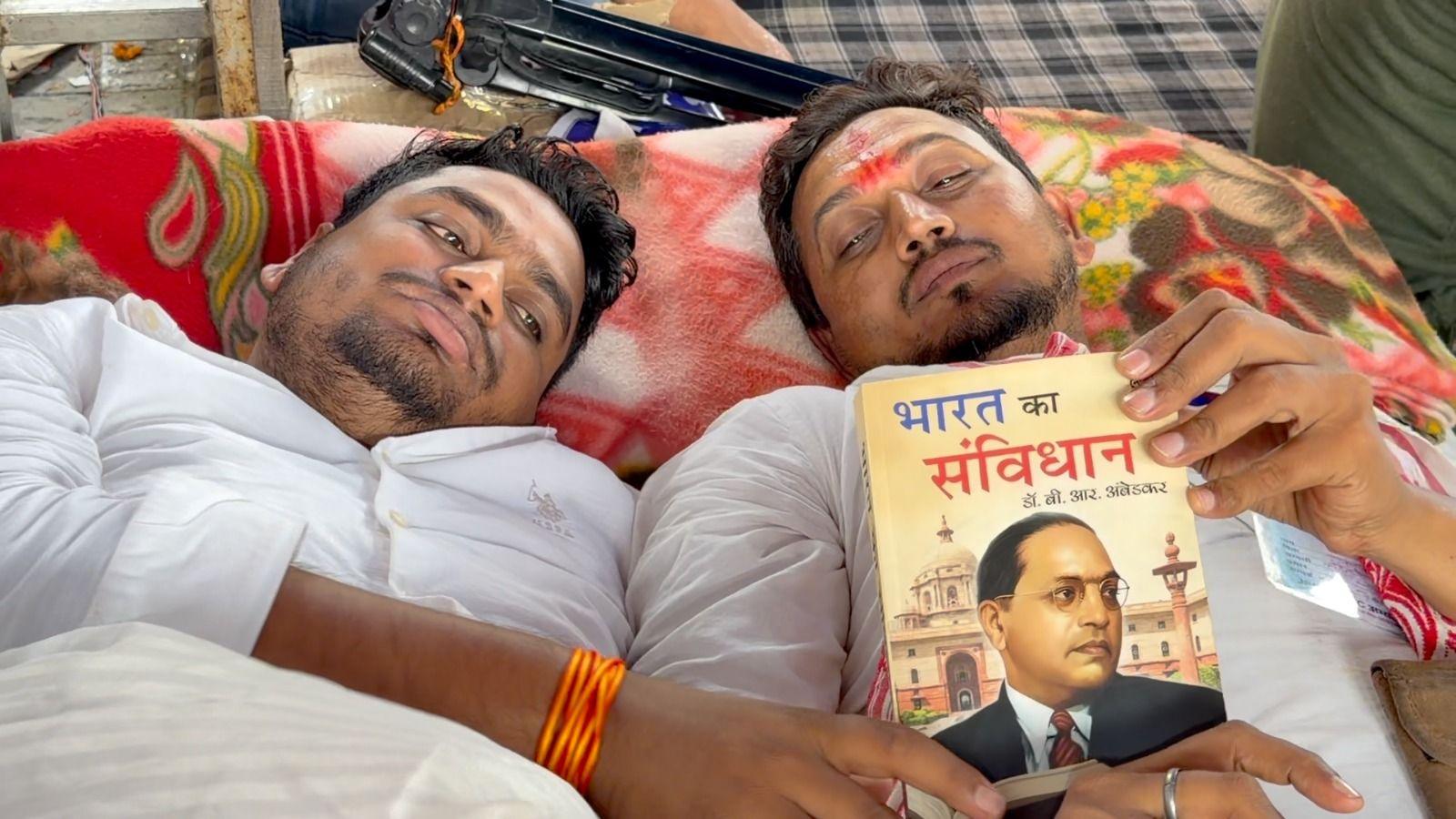
The protestors have been living outside the stadium since then, with many sleeping on mattresses and several participants, such as 27‑year‑old Umme Habiba from Bokaro, on hunger strike. They hold canvases that display the Indian Constitution and portraits of freedom fighters.
The Jharkhand Public Service Commission has postponed the next stage of the exam, and its chairman resigned amid the investigation. Meanwhile, state officials are pressing for a thorough inquiry by the Criminal Investigation Department, and CBI involvement has been demanded by protestors.
Local politics also comes into play: the opposition BJP has shown strong support for the protesters, raising their case directly in the state assembly, while the ruling Congress, in partnership with the state, has expressed solidarity. Yet many protestors insist that the movement remains driven by students and should stay free from political agendas.
For the protestors, a fair, transparent examination process is not just about the current test—it represents a broader fight for timely recruitment and a reliable government job pathway, which remains a coveted route into the Indian middle class.

