
In brief
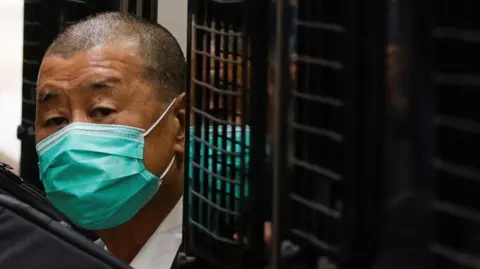
Jimmy Lai, a prominent media mogul and pro-democracy advocate in Hong Kong, has been sentenced to 20 years imprisonment under the controversial national security law. Rights groups describe the sentence as a death sentence for Lai, citing concerns over his health. The ruling has sparked international condemnation and raised concerns about the state of press freedom in Hong Kong, as it comes shortly after widespread protests for democratic freedoms in 2019. Lai, a British citizen, is viewed as a key figure in the fight for democracy in the region.
Jimmy Lai, Hong Kong's pro-democracy media tycoon, has been jailed for 20 years for colluding with foreign forces under the city's controversial national security law. Rights groups are characterizing this ruling as a de facto death sentence for the 78-year-old, amid rising concerns about his health. In a statement, Hong Kong's leader welcomed the sentence as 'deeply gratifying,' amidst claims that the law is crucial for stability following massive protests in 2019.Lai, a British citizen, is the most notable figure among hundreds arrested under this legislation. A vocal critic of the Chinese government, he used his newspaper, Apple Daily, as a platform for protest. 'Incredibly heartbreaking,' lamented Lai's son, Sebastien, urging the UK government to intervene. Critics assert that Lai's sentence symbolizes the erosion of legal frameworks within Hong Kong.During the sentencing, support for Lai was evident, with many demonstrating outside the court, illustrating significant public backing despite heavy police presence.Furthermore, six former Apple Daily executives received prison sentences ranging from six years to a decade under the same law, highlighting the intensifying crackdown on dissent in Hong Kong.Human rights organizations have denounced Lai's sentence as draconian, with some calling this punishment the final blow to press freedom in Hong Kong. The international community, including countries like the UK, Australia, and Japan, has issued concerns regarding Lai's treatment. However, the Chinese government maintains it is an internal matter, reiterating the necessity of strict enforcement to safeguard national security.

