
In brief
In occupied Ukraine, residents confront a grim reality marked by severe restrictions on Ukrainian identity and systematic repression, while resistance movements emerge amidst an atmosphere of fear.
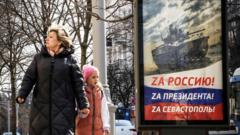
As tensions continue to rise in occupied territories of Ukraine, the voices of those living under Russian control reflect a harrowing struggle for survival and identity. Maria, a pseudonymous member of a clandestine all-female resistance group, lamented, “Russians are trying to ban everything Ukrainian here: language, and also traditions. Even Ukrainian holidays are forbidden.” This sentiment captures the prevailing fear and sorrow felt by many, as the Kremlin imposes oppressive measures aimed at erasing Ukrainian cultural heritage. Amid U.S.-led peace negotiations, there are rising concerns about potential ceasefire agreements that could force Ukraine to concede territory, with Moscow determined to seize control over regions like Donetsk, Luhansk, Kherson, and Zaporizhzhia, as well as Crimea, which it annexed in 2014. In these occupied areas, local residents face dire consequences for dissent, living under constant surveillance, with media access heavily restricted. Probably one of the most alarming aspects of this occupation is the forced acquisition of Russian citizenship, as evidence indicates that those who refuse to comply are denied access to healthcare and freedom of movement. Sofia, who now lives in the UK, shared the plight of her parents, still in Ukraine, who faced threats from the Russian security service (FSB) for allegedly sharing information with the Ukrainian military. “I have to read between the lines when they tell me about what's going on,” she confided, highlighting the increased difficulty of communication. Additionally, citizens living under Russian rule fear sharing any anti-Russian sentiments, as retaliation can range from harassment to imprisonment. Reports from human rights groups indicate that numerous activists have become victims of violence or forced disappearance. Maria noted that Russian authorities are enhancing surveillance, deploying CCTV systems strategically to monitor locations suspected of harboring dissent.In this realm of fear, underground movements, including Zla Mavka and the Yellow Ribbon movement, are striving to keep Ukrainian spirit alive by distributing propaganda against the occupiers. Nonetheless, the lack of independent media in these regions complicates the validation of their efforts, as authorities aggressively suppress any semblance of resistance. Propaganda permeates daily life in the occupied territories, where public spaces are saturated with pro-Russian messages, including billboards glorifying the Kremlin and its leaders. Russian narratives infiltrate education, with children coerced into military glorification activities. As the plight of occupied Ukrainians unfolds, one guiding truth remains clear: despite the overwhelming odds, the fight to preserve Ukrainian identity persists amid the shadows of oppression.


