In brief
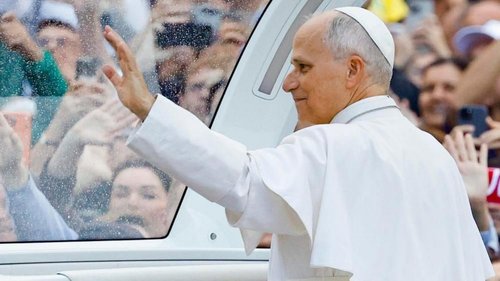
The death of Pope Francis has left a profound impact worldwide, with thousands of mourners gathering in St. Peter’s Square to pay their respects following the Vatican's announcement of his passing. Francis, who served as Pope since 2013, died after suffering a cerebral stroke that led to a coma and severe cardiocirculatory collapse. As tributes from global leaders flood in, the Roman Catholic Church now stands at a crossroads in selecting a successor who may continue Francis' inclusive ethos or revert to a more conservative stance akin to previous popes.
Among those who expressed sorrow was East Timor's President José Ramos-Horta, who lamented Francis' death as a tremendous loss, especially at a time fraught with global unrest and a desperate need for compassionate leadership. In his final days, the Pope remained active, sticking to a demanding schedule that many believe ultimately contributed to his decline.Though a funeral date is yet to be determined, a public viewing might commence shortly, allowing believers worldwide to say goodbye to the pontiff. Jason Horowitz, a reporter from our Rome bureau, reflected on Francis' legacy, describing him as “a pope of surprises” who consistently championed crucial issues such as migration, climate change, and social inequality. Horowitz emphasized that while the internal church reforms Francis made were significant, his voice globally advocating for the marginalized will be deeply missed.