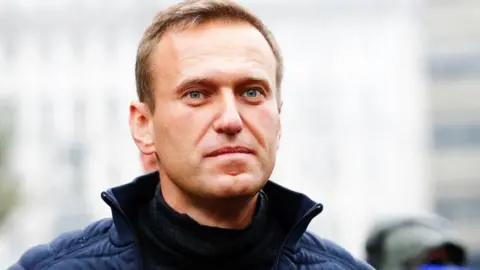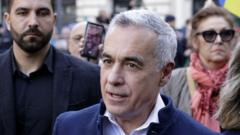
Calin Georgescu, a leading figure in Romania's far-right populist movement, is mounting a legal challenge against the country’s Central Electoral Bureau (BEC) following its recent decision to disqualify him from the upcoming presidential election in May. The BEC, operating under the claim that Georgescu failed to uphold democratic responsibilities, voted 10-4 to reject his candidacy this past Sunday.
The appeal will be reviewed by the constitutional court judges on Tuesday, with a ruling expected the same day. Georgescu’s disqualification is particularly notable following a tumultuous November election, which he initially led before it was annulled due to revelations of Russian support through numerous TikTok accounts promoting him.
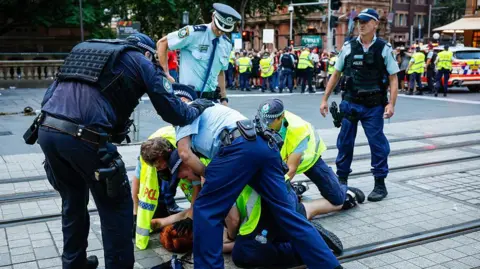
In defense of his candidacy, Georgescu argues that the BEC overstepped its authority and that the annulment of his earlier election result ought not to impact his eligibility in the upcoming vote. He took to social media to express that the ban represents a "direct blow to the heart of democracy worldwide." The electoral body’s verdict resulted in significant unrest in Bucharest, with clashes erupting between police and thousands of his supporters gathered outside BEC offices, resulting in property damage and several arrests.
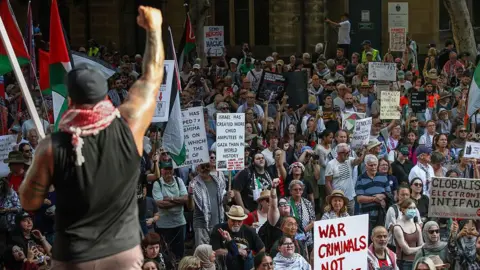
On Monday evening, a smaller demonstration occurred in Bucharest, where supporters rallied behind police barriers, voicing their grievances. Protesters declared their belief that the constitutional court is failing to protect democracy, chanting phrases such as "Romania wake up" and demonstrating their backing for Georgescu despite the controversy surrounding him.
In an atmosphere of political charged emotions, factory worker Elena expressed her disillusionment with the ruling class, stating, "They sold out our country. We can't be successful and have a family here." While she did not previously support Georgescu, the annulled election and ongoing debates have drawn more attention to his populist platform.
Allies of Georgescu, such as George Simion—the leader of the far-right opposition party Alliance for Uniting Romanians (AUR)—described the current political climate as a "coup d'état." The backlash against the electoral decision has extended beyond dissent, with Romanian authorities now investigating Simion for comments perceived as inciting violence.
Just last month, Georgescu faced questioning by authorities while registering for the election, leading to large-scale protests. His journey has seen him soaring from relative obscurity to being at the forefront of Romania's political discourse, partly leveraging growing discontent fueled by external influences, including reactions from figures linked to the Trump administration. As tensions escalate, the outcome of Georgescu’s appeal may significantly shape Romania’s political future.