
In brief
The 30‑June deadline issued by anti‑migrant protest groups has turned Durban into a battleground for undocumented migrants. A 36‑year‑old Malawian woman, Esnat Joseph, describes being threatened by men carrying machetes and railings in an informal settlement. Protesters, led by March and March, chant "Mabahambe" and are demanding that migrants leave peacefully, while the government has announced a hard‑line policy, Operation New Broom, to clear informal shops and stop illegal employment. The unrest stems from high unemployment, strained public services and long‑standing xenophobic tensions that flared in 2008, 2015, 2016 and 2019.
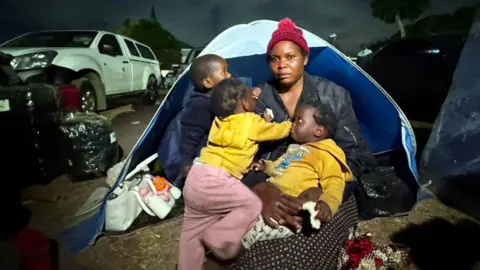
The 30‑June deadline for undocumented migrants to leave South Africa has made Durban’s suburbs a flashpoint for fear and confrontation. Sierra, a 36‑year‑old Malawian, fled her informal home after a group of men appeared at her doorstep with machetes and whips, demanding she leave at once. Her husband was left in the hospital with a knife wound, and the family is now in an open field with roughly seven thousand others waiting to be taken back to Malawi.
The marchers, mainly men carrying sticks, chant a Zulu phrase meaning "They must go". The protests grow louder as the deadline nears and media stories spread confusion over the number of illegal migrants in the country.
President Cyril Ramaphosa warned that targeting vulnerable people is not a solution to South Africa’s socio‑economic challenges, yet a five‑point strategy – banning asylum claims from those transiting through other countries, limiting naturalisation, and extending digital ID to non‑citizens – was outlined. He also vowed to crack down on employers who pay undocumented workers less than the minimum wage.
Meanwhile, migrant groups estimate that 3,500 fighters have already volunteered to leave by bus or plane, and about 40,000 have been arrested for breach of the Immigration Act this year. In Johannesburg, Operation New Broom has seen skyscraper excavators destroy informal stalls that are seen as hubs for illicit trade and illegal migration.
News flashes from social media depict Bangladesh migrants terrified of police and black‑market enforcement, while the daily MP transport rides for elderly and children are hampered by claims of discrimination. The government’s international engagements, such as the Malawian consulate’s re‑patriation programmes, show a fragile balance between politics and human rights.
The next phase of the crisis will likely involve a wave of departures and an uneasy calm in the country – but the fear of being labelled a "xenophon" has already convinced many families to leave South Africa, believing there may be no safe space for those unaware of the threat ahead.