
In brief
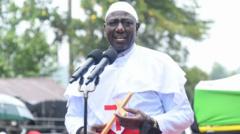
President William Ruto, once a beacon of hope for Kenya's evangelical community, now faces a crisis as church leaders and younger generations openly criticize his government's policies amid rising taxation and public unrest.
In recent months, Kenya's President William Ruto has encountered increasing discontent from church leaders who once supported him during his rise to power. Initially celebrated as "David," a metaphor for leadership and hope among evangelical communities, Ruto's public image has shifted dramatically as clergy now liken him to "Zakayo," referencing the biblical tax collector known for greed.Ruto's administration has implemented significant tax hikes, compelling the public to question the integrity of his leadership. As discontent echoed through streets, represented by protests led by the youth, known as Gen Zs, they called for the churches to reject political manipulations that exploit religious platforms. "As a voter, I’m embarrassed," expressed Teresia Wairimu, a prominent faith leader, during her sermon, pointing directly to Ruto's perceived failures.The pressure increased as church leaders, including influential Catholic bishops, raised alarms about widespread corruption and unfulfilled promises from the Ruto administration. Their statements articulated a growing concern over Kenya's direction, describing the state as "Orwellian" due to its oppressive measures against dissenters. This echoed sentiments of the church's critical role in Kenya's push for democracy during the 1990s.Notably, the bishops also rejected a donation made by Ruto, citing ethical concerns. The move signified a broader movement among various religious leaders—including Muslims—against the growing intertwining of political and religious spheres, which they believe undermines their integrity.As public scrutiny escalated, Ruto's response appeared to grow more conciliatory. Acknowledging the backlash, he emphasized the need for cooperation in fostering transformative commitments for Kenyans. However, analysts warn that any direct confrontation with the clergy could jeopardize his political future, especially as some of his closest allies express disappointment over his handling of the tax crisis.With previous political alliances beginning to unravel and an emerging discontent among youth who demand accountability, Ruto's presidency stands at a critical juncture. The very churches that propelled him into power now threaten his position as he navigates the complexities of governance and public trust in a nation where over 80% of the population identifies as Christian.

