
In brief
After a wave of youth protests rallying around memes and satire, Modi began posting Instagram reels that adopt Gen Z slang and casual formats. The move stunned both supporters and sceptics, sparking a flurry of parody edits that undercut the intended message. Meanwhile, the BJP’s social‑media wing has revamped its content, yet struggles to control the narrative on a platform that rewards irony over substance. The party’s long‑running organizational strength remains its main vote‑getter, but the new challenge is to thrive in a culture obsessed with aesthetics and conversation. Experts warn that mastering the platform will take time and a deeper understanding of the platform’s algorithmic mechanics.
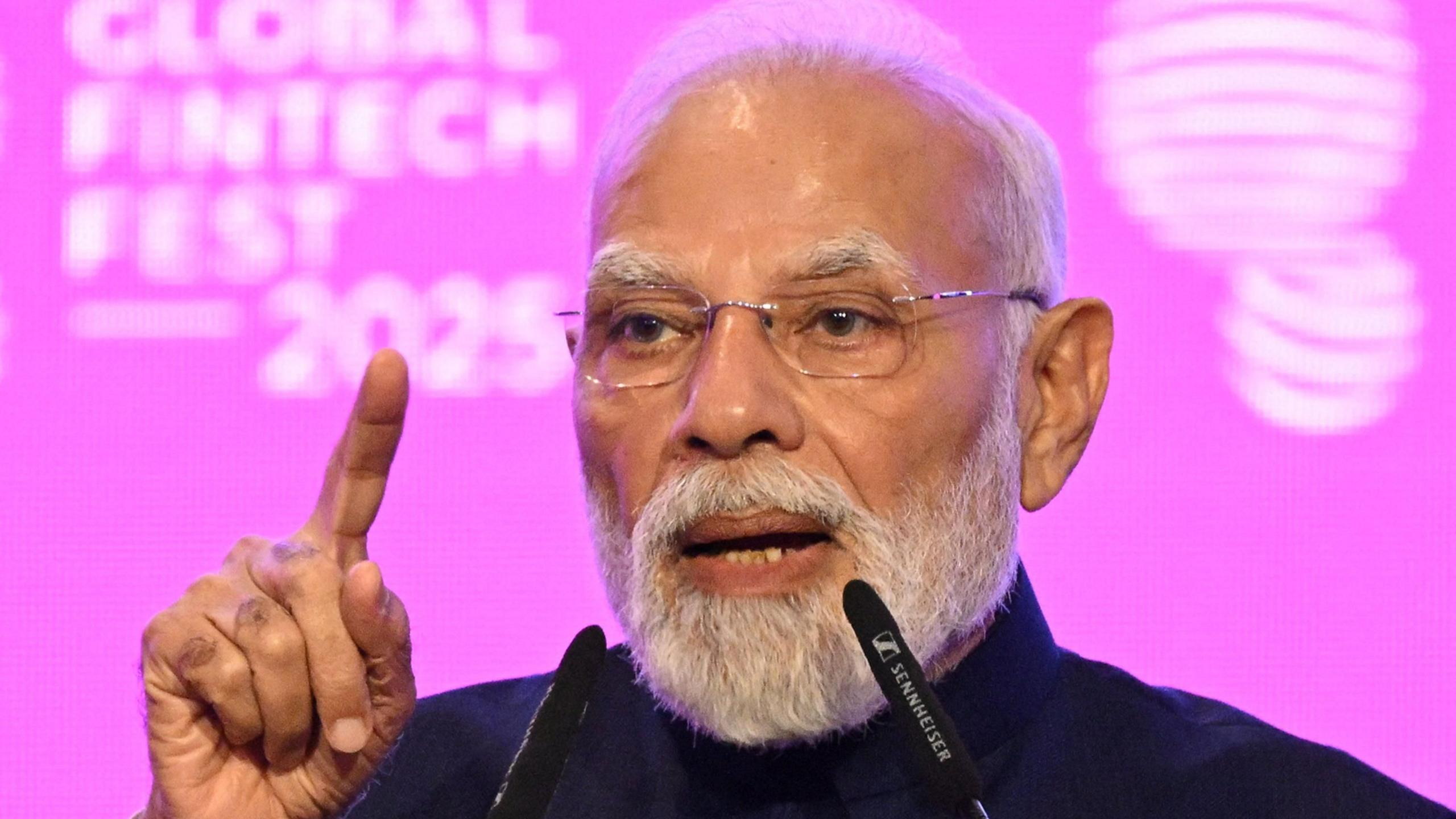
The 75‑year‑old Prime Minister, long known for his controlled, pageantry‑laden broadcasts, is now rolling out Instagram reels that feel as if made for a Gen Z audience.
The shift began mid‑year after a youth‑led protest movement, championed by the satirical Cockroach Janta Party, used memes and short‑form videos to push its agenda and ultimately toppled a federal minister. The movement’s online flair demanded a more playful tone from the BJP, prompting the party to experiment with casual selfie‑videos, slang and trending captions.
Modi instantly followed suit, debuting a “get‑ready‑with‑me” reel that included a referenced Gen Z phrase—”first in my bloodline to build a rocket, a chip and a drone”—while addressing a graduation ceremony in Delhi. The reel, which currently has over 400 million views, drew a flood of sarcastic edits that mocked the camera angles and lighting, turning it into a meme‑worthy artefact rather than a legitimate campaign tool.
BJP’s content team also grafted pop‑culture references: a gym‑set reel that was labelled “cringe” by many commuters and a Friends‑themed clip featuring PM Modi as “there for you.” These videos, though aimed at cutting through the noise, largely failed to address the underlying grievances driving the protests.
The party’s social‑media director, recently replaced, has now pushed for a “report card” system for ministers to boost their digital footprints across platforms. Still, Instagram does not behave like the BJP’s earlier WhatsApp/X network‑centric strategies; it rewards long watch times, replays and comments, which a 200‑followed account can out‑reach a 200‑million‑follower one.
Analysts note that the most critical obstacle is the platform’s tendency to viralise irony. Even well‑crafted programmes can be reframed with sarcasm, and audiences tend to prefer entertainment over hard‑news messaging. On the contrary, the BJP’s electoral machine remains built on organised fieldwork and party loyalty, meaning that a social‑media hit or miss may not alter its election prospects.
Despite the rocky start, the BJP may eventually learn to navigate the affect‑centric logic of Instagram, as it has demonstrated with earlier adaptations: podcasts, influencer interviews and virality‑driven slogans. The coming months will tell whether the new approach can truly resonate with a generation that values authenticity over polish.
