Cities Snapped into Queues
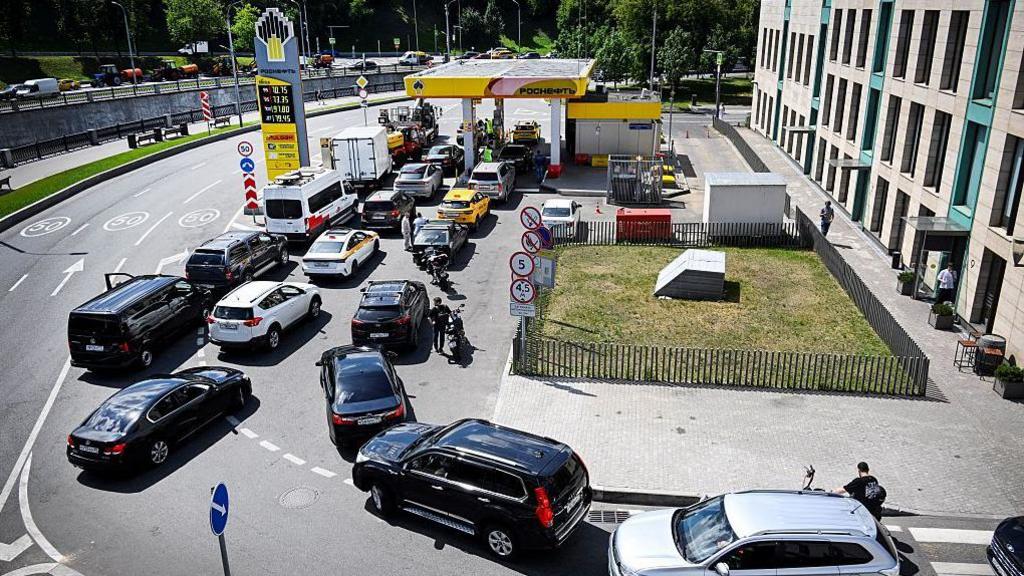
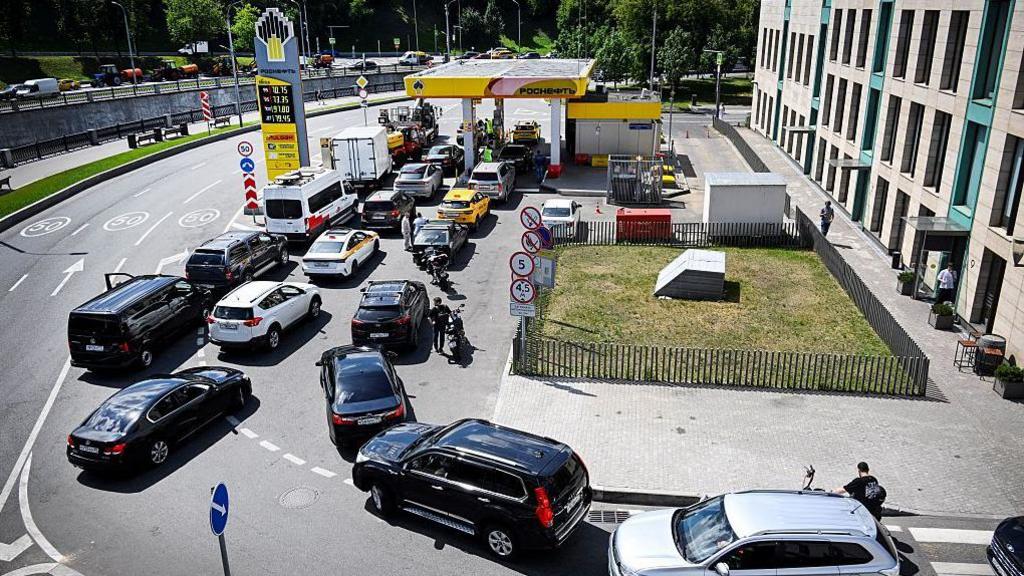
For the first time in decades, drivers in Moscow line up at petrol stations that are almost empty. Some queues stretch into the streets, the cars parked side‑by‑side for up to an hour. In 2026 the crisis has made fuel distribution a public crisis—as long as this line long as a headline.
Why the Shortage?
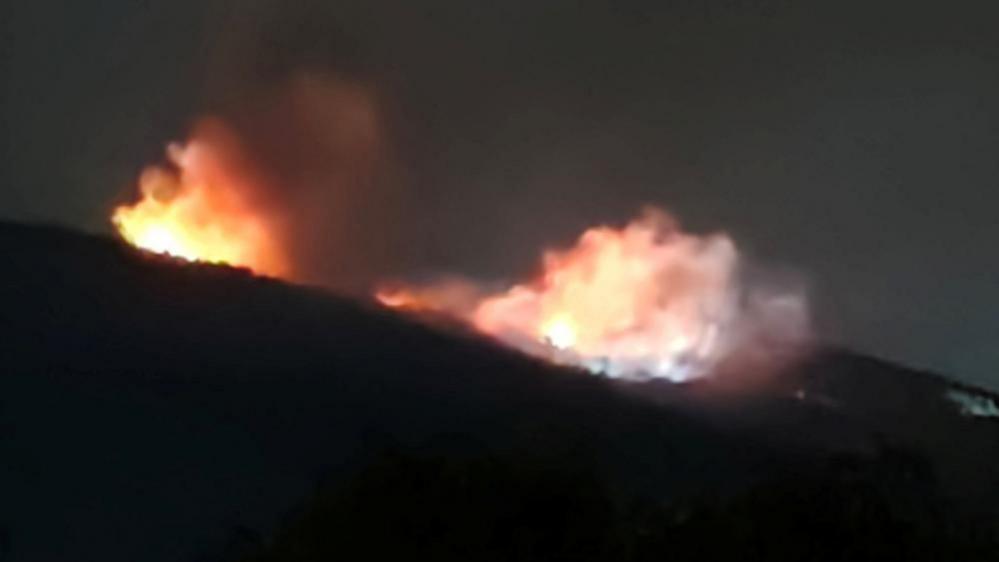
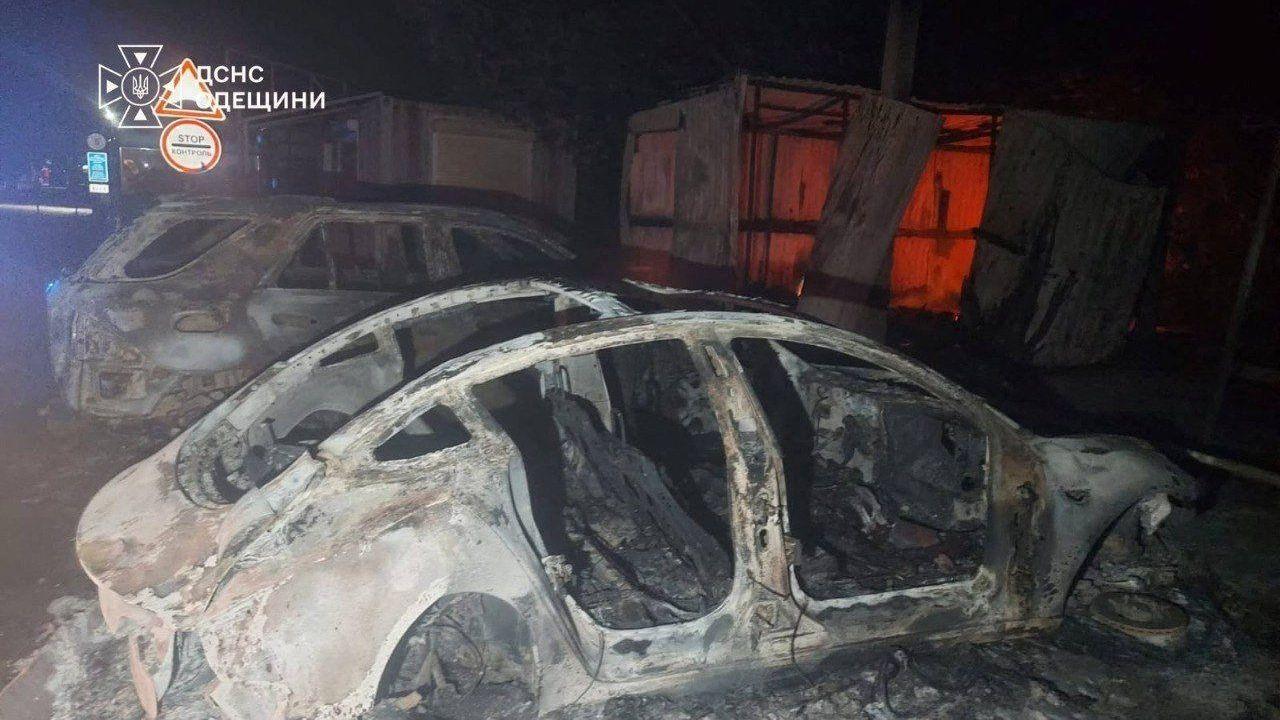
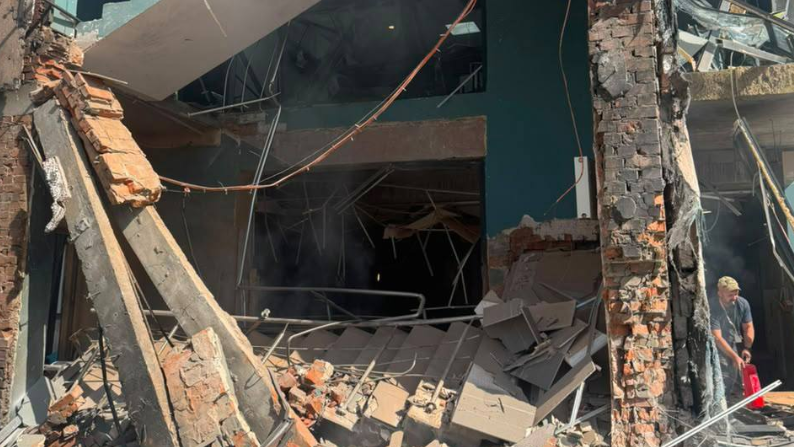
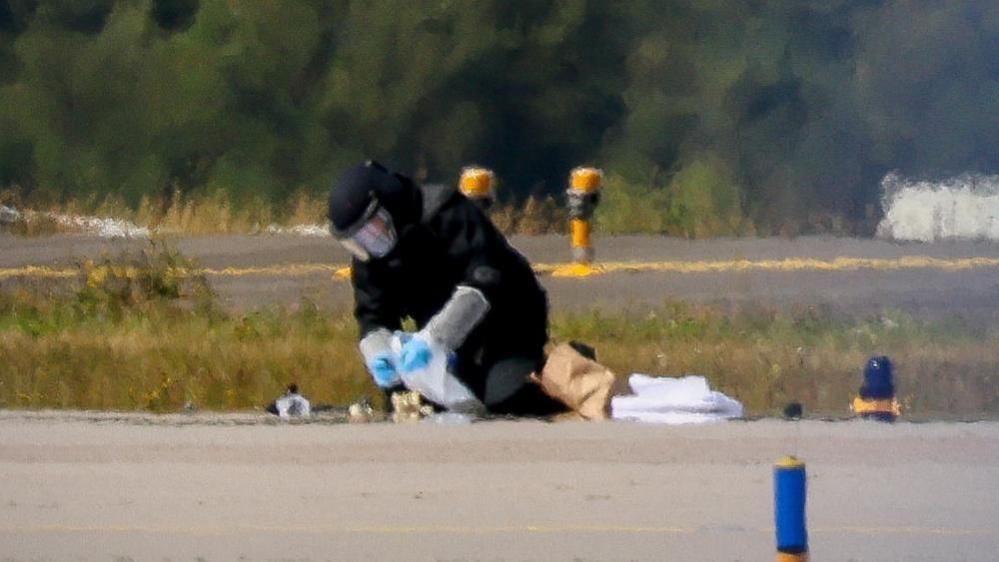
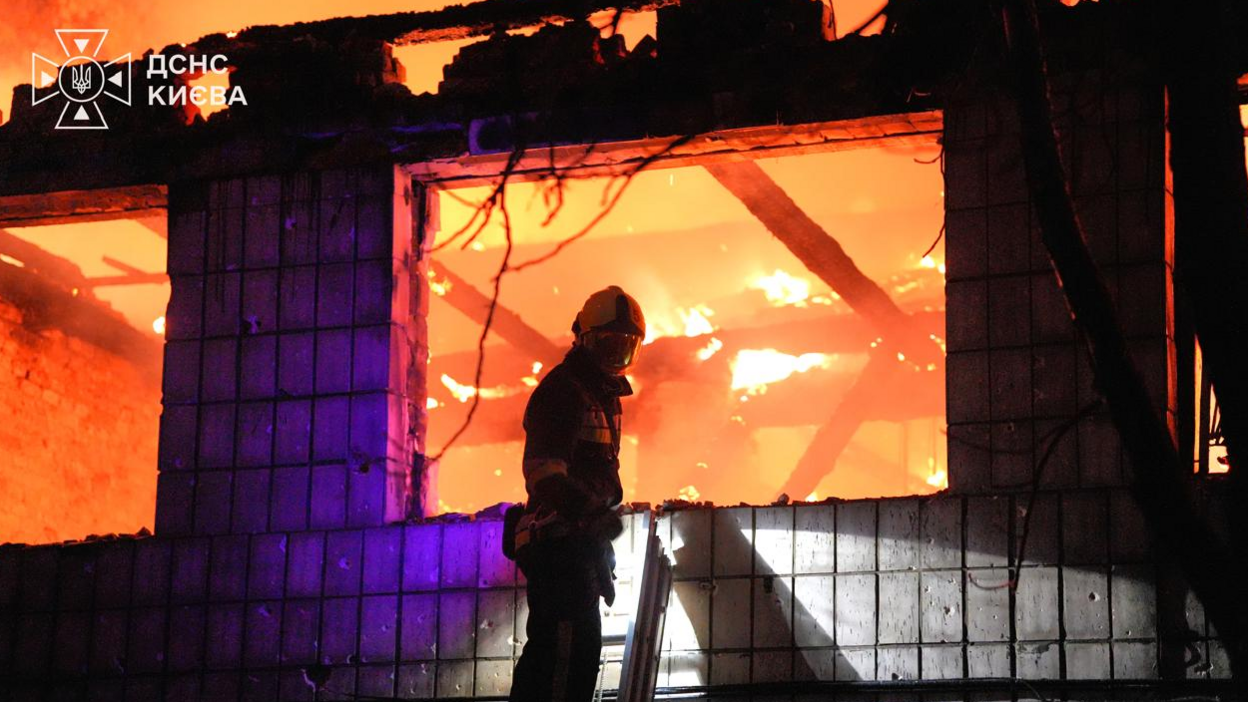
Ukrainian drone attacks have struck key refineries around the country, including those within the Moscow region. The attacks left the plants out of commission and swept the industry with unknown damage. The shrinking stock of processed fuel has increased shells and forced the state to subsidise lower‑grade gas that could damage engines.
The Public’s Response
Five amused Yekaterina said “I’m not happy” with the endless lines, adding that she would like the distribution system reorganised. A resident named Andrei said he feared the situation would get worse if the governor’s “geopolitical” decisions faltered. The line is a living reminder that Russia’s gas export structure may be under strain.
Putin’s View
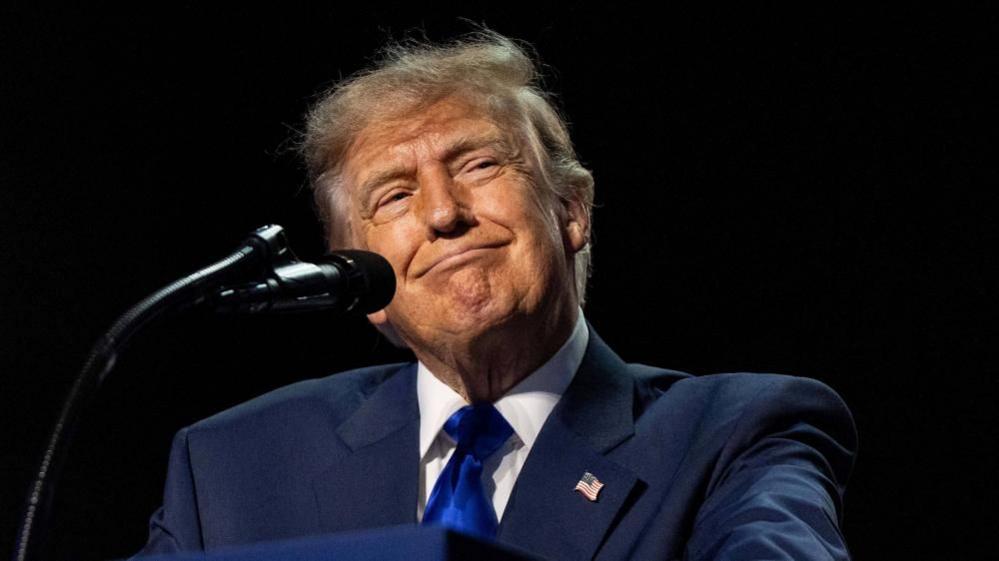
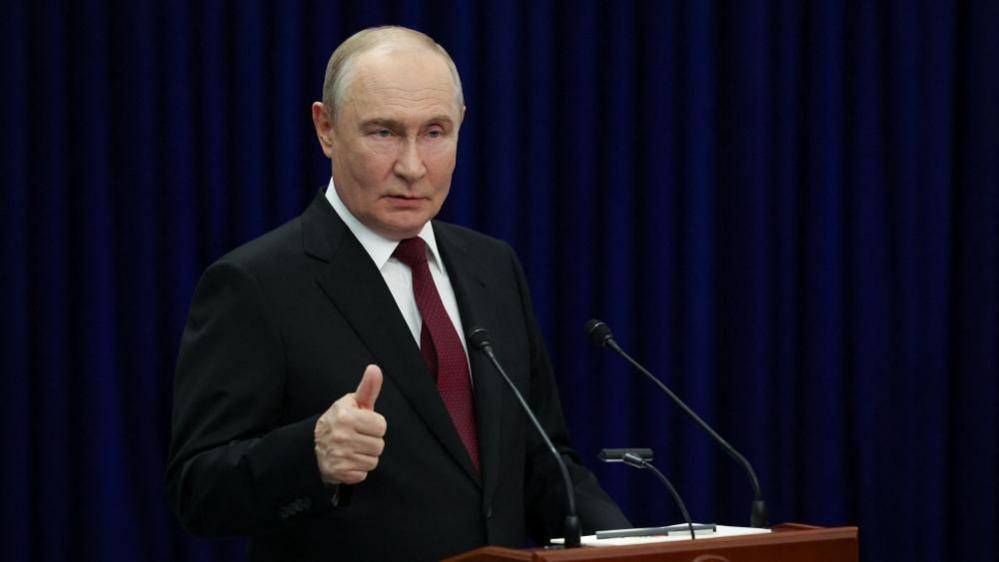
During a state‑TV briefing, the president acknowledged the Ukrainian attacks were “obviously creating problems” but insisted that “the country still fulfills the needs of the population.” His advisers have stepped into the national reserves and lowered fuel prices to tide people over.
The Numbers Reveal Growing Dissent
Recent polls from the independent Levada centre suggest Putin’s approval rate has fallen to around 74%. Only half of respondents now trust that the country is heading in the right direction. A Gallup survey indicates more than 60 percent of Russians feel the economy is worsening.
Will the Crisis Change Kremlin Policy?
Professor Nina Khrushcheva warned that pressure inside Russia is unlikely to cause a policy shift; escalating anger may instead lead to stricter suppression. Senior military reports are still being analysed for an escalation that would alter the war dynamics.
While the fuel shortage may pressure the Kremlin to make concessions, many analysts say it is an unlikely fast track to a diplomatic settlement. The war has seeped into the everyday lives of many citizens, but the outcome of the conflict still hinges on actions at the highest political level.