In brief
The operator of the Teufelsrad—Munich’s famed Devil’s Wheel—has begun handing out cycling shorts to women amid a surge of viral upskirting videos that have earned thousands of euros for some creators. Over 32,000 clips of women in dirndls have circulated, prompting arrests and prompting calls for stricter law. Despite Germany’s two‑year jail sentence for upskirting, critics argue it fails to cover situations where skirts simply lift. Munich has tightened controls on live streaming and issued permits for influencers, while the city plans to tighten penalties for uploading intimate footage. Polaczy, 80, says the shorts are “worth every cost” for her peace of mind.
Olympic‑style wheel takes new safety measures
In the heart of Munich’s Theresienwiese, the Teufelsrad’s rotating platform has become a backdrop for a modern crime: upskirting.
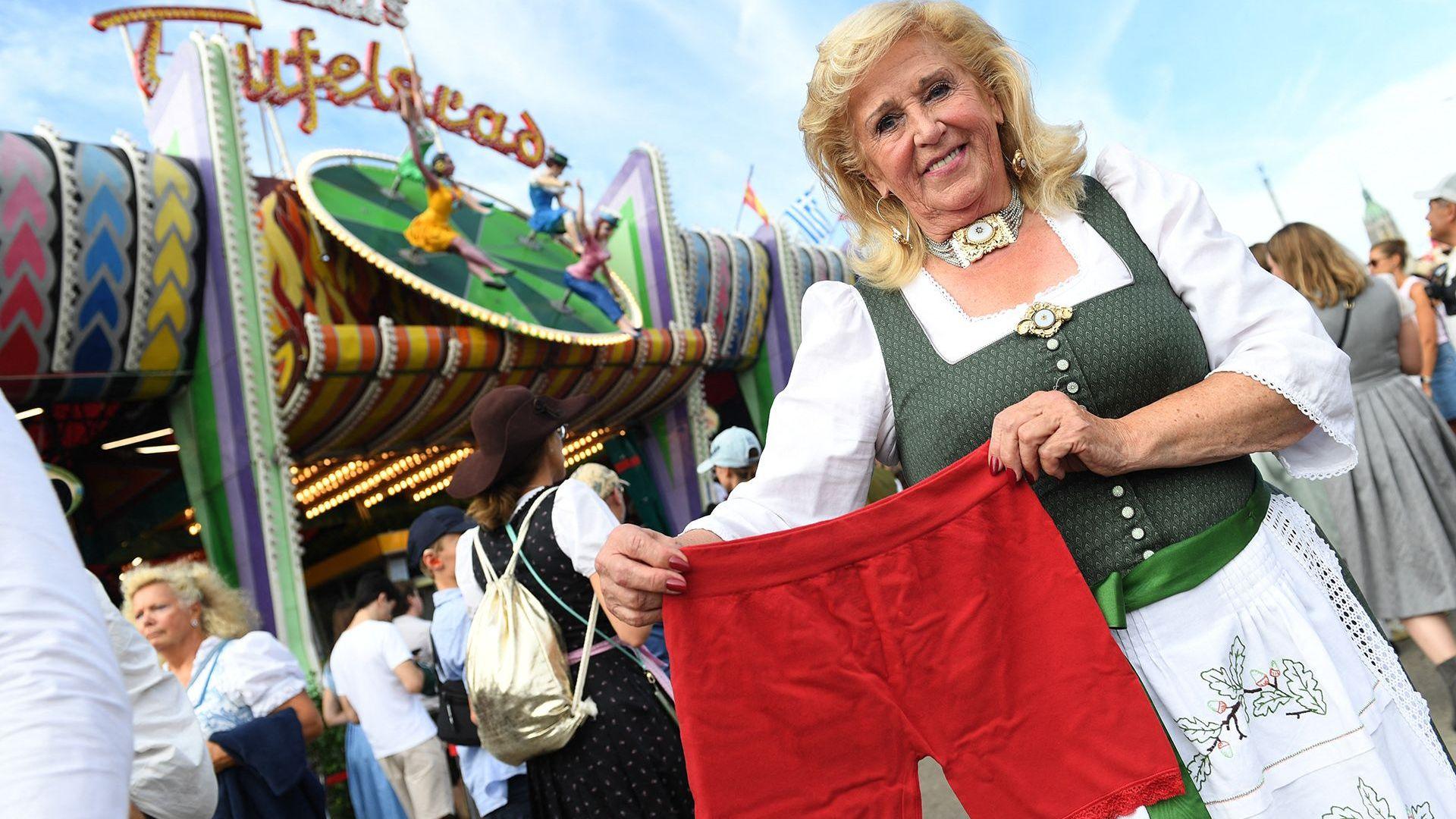
Since the start of this year’s 190th Oktoberfest, the ride’s operator, Elisabeth Polaczy, 80, has been donating more than 100 pairs of cycling shorts to women and girls in traditional dirndls. She says the shorts give riders a sense of security as the wheel’s speed takes skirts high enough that they often flick up.
Videos of women on the Teufelsrad have exploded online, with some clips costing participants €9,000. German court records show more than 32,000 videos have circulated, some amassing millions of views. Police arrested a 45‑year‑old Swiss man last year for filming under a German woman’s dirndl, marking the tenth arrest in 2025 alone.
While German law carries a two‑year jail sentence for upskirting, experts argue it fails to protect against cases where the skirt simply lifts. Protesters like Josephine Ballon, head of Hate Aid, push for a new law that would punish anyone who uploads intimate footage or encourages platforms that host it.
The city of Munich has tightened regulation on content creators. Live streams from the festival are banned, and any filmmaker must obtain a permit for a fee. Hundreds of permits have already been issued to influencers who monetize their coverage through product placement and sponsorship.
Polaczy’s initiative is part of a wider trend: bartenders and other hotel staff now wear cycling shorts under their dirndls, and the festival’s main tent boasts posters in German and English warning against filming under skirts. Yet as the city’s police campaigned with new posters in 2025, the phenomenon shows no sign of easing.