In brief
Erias Lukwago, a former mayor and lawyer for jailed opposition politician Kizza Besigye, appeared before a Kampala magistrate charged with failure to report treason. Arrested at his home, Lukwago denied the allegations and was remanded until his hearing next week. The incident followed a boast by army chief Gen. Muhoozi Kainerugaba on social media, who claimed responsibility for the arrest. Lukwago’s family has sought a court order to locate and release him, accusing security forces of abduction. Besigye, a long‑standing critic of President Yoweri Museveni, has been detained multiple times, and his legal team’s treatment reflects the tightening grip of the Ugandan regime.
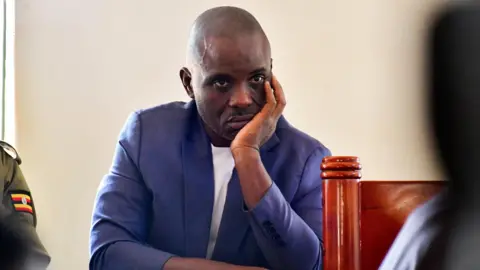
A former mayor of a Ugandan town, Erias Lukwago, who has been the lawyer for opposition leader Kizza Besigye, appeared before a magistrate in Kampala with a treason‑related complaint, after being taken from his home earlier in the week.
Lukwago, who had been seen by local journalists looking faint and weak, denied the charge of “failure to report treason” and was remanded in custody until next week when a hearing will be held.
The arrest followed a boast by General Muhoozi Kainerugaba, the army chief and son of President Yoweri Museveni, who posted on social media that he had his men take the lawyer down. The post sparked condemnation from the opposition and from human rights observers.
“I call upon all of us to reject and resist this brazen impunity,” Lukwago’s wife wrote on X, urging the public to push back against the regime’s tactics.
Lukwago’s family has submitted a court petition demanding that security officers disclose his whereabouts and release him “whether dead or alive.” They argue the army chief’s posts indicate a deliberate kidnapping and mistreatment.
The lawyer’s case is intertwined with Besigye’s long‑standing political conflict with Museveni. Besigye, once the president’s personal doctor, has faced arrests and detentions since 1999 and is currently on trial for treason after being abducted from neighboring Kenya.
The proceedings highlight a broader pattern of repression in Uganda. Critics note that the use of treason charges to silence political opposition has become standard practice under Museveni’s rule.
International observers are calling for the case to be handled fairly, stressing the importance of rule of law in safeguarding political dissent. The situation remains a major concern for civil society organizations that monitor Uganda’s political landscape.