
In brief
In the wake of devastating injuries from the Israel-Gaza conflict, hundreds of amputees are receiving new prosthetics from Jordanian doctors using advanced British technology, reigniting hope for a normal life.
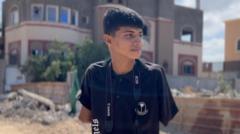
Standing between the confines of a mobile clinic in Rafah, southern Gaza, 15-year-old Rizeq Tafish takes his first steps in four months with a smile of determination. Rizeq, who lost his leg to Israeli tank fire after attending Friday prayers, describes his transition from "sadness and despair" to "happiness and freedom" thanks to innovative prosthetic limbs being provided under a new program.As Gaza bears the brunt of a brutal year-long conflict, the impact on its civilians is immense, with medical authorities estimating that over 94,000 individuals have been injured and more than 24,000 facing life-altering injuries, including amputations. With limited access to hospitals, the situation for many in need of prosthetic devices has become increasingly desperate, further exacerbated by a scarcity of medical supplies and equipment.The Jordanian initiative employs cutting-edge technology developed by British companies, Koalaa and Amparo. Their approach allows for rapid manufacturing of prosthetic limbs, which can be fitted in a fraction of the time—around one to two hours—compared to traditional methods that often involve lengthy fittings and adjustments."The urgency is profound; we are witnessing a massive demand for these prosthetics across all demographics in Gaza," stated Lt. Abdullah Hamada, a Jordanian army doctor involved in the project. Financial backing comes from both the Jordanian state and a national charity, with the cost of each limb approximately $1,400.Amidst the challenges, stories of resilience emerge. Alongside Rizeq, two young sisters, Hanan and Misk al-Doubri, await assistance after losing their mother and their legs in an Israeli strike on their home. Their aunt, caring for them, struggles to provide answers as the children face an uncertain future in the aftermath of such violence.As recovery efforts continue, 15-year-old Diya al-Adini remains hopeful for the return of strength and creativity. Once a passionate photographer, he now relies on his sister to capture images for him after losing both arms in a bombing. He longs for prosthetic limbs to reclaim his passion and work towards becoming a professional photographer.With support from innovative projects like this, Rizeq envisions a renewed beginning, stating emphatically, "Just getting my leg back is also giving me back my smile." As families grapple with a new reality of disabilities created by conflict, the introduction of accessible prosthetics brings a newfound sense of hope and possibility to the war-torn region of Gaza.