
In brief
A survivor recounts their harrowing experience during the 2004 earthquake and tsunami, highlighting personal loss, the widespread devastation, and the long-term impacts on the Andaman and Nicobar Islands.
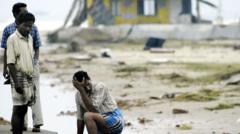
On December 26, 2004, while boarding a ferry to Havelock, an island in the Andaman and Nicobar archipelago, the ground beneath me shook violently as the powerful 9.1 magnitude earthquake struck off the coast of Sumatra. Just after departure, I witnessed the jetty next to us collapse into the sea, a precursor to the catastrophic tsunami that would follow mere minutes later.This was my first visit to the archipelago, known for its stunning beaches and crystal-clear waters. Friends and family members still residing in the capitals would be eagerly anticipating our arrival. We were among the fortunate ones, as our ferry, with children excited for their beach day, had left just in time to avoid being engulfed.As we bobbed in the waves, oblivious to the magnitude of what was unfolding nearby, information trickled in from the crew regarding damage in far-off countries like Sri Lanka and Thailand. However, the fate of the Andaman and Nicobar Islands—located about 100 kilometers from the earthquake's epicenter—remained a mystery. We soon learned that the tsunami had slammed the shores minutes after the quake, leaving behind a trail of death and destruction.When we returned to Port Blair, the port we left just hours before, the devastation was glaring. Buildings lay in ruins, and entire roads had been torn apart. My heart sank when I encountered a distraught nine-year-old girl, her home drowned in the tidal surge. Many were displaced, with survivors recounting lost possessions and lives in a matter of moments.In the weeks that followed, I reported on the suffering experienced by the population. The tsunami was the first of its kind to hit the islands, and its effects were dire. Essential infrastructure, including jetties, became inaccessible, complicating rescue missions. The military swiftly mobilized to assist, yet days would pass before all islands received relief.I met so many who lost everything. One woman from Car Nicobar shared her story of survival, enduring two days without any provisions after the wave hit. The sequence of loss was staggering; each day disclosed new horrors, with casual references to aftershocks causing panic among residents who feared another tsunami.Indian military took journalists, including myself, to the hardest-hit areas, revealing scenes of utter destruction. The air force base in Car Nicobar had been flattened during the tragedy. Eyewitness accounts from families torn apart by the disaster painted a vivid narrative—mothers clinging to the few remnants of children once alive, their homes reduced to rubble.Years later, I found myself reflecting on that fateful day as I stepped onto the ferry. It was a close call for me, yet thousands were not as fortunate. The memories of the tragedy linger on, reminding us of nature's unpredictable ferocity and the resilience needed to rebuild. The 2004 tsunami remains etched in history as a somber reminder of human vulnerability against the forces of nature.
