
In brief
Survivors in Myanmar and Thailand are grappling with the aftermath of a powerful earthquake, as communities reflect on the destruction and chaos that followed.
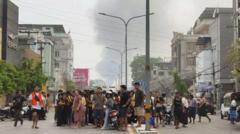
A powerful 7.7 magnitude earthquake struck on Friday, causing devastation across Myanmar and Thailand, leading residents to describe a scene filled with horror and panic. In Yangon, Myanmar's largest city, individuals experienced intense shaking for approximately four minutes, with one resident recalling waking from a nap to the overwhelming realization of the magnitude of the earthquake and its widespread impact. The tremors resonated far beyond local borders, with reports from across Thailand and even as far as China.The earthquake caused significant destruction, including the collapse of a 30-storey skyscraper in Bangkok, trapping dozens of workers underneath. Witnesses described the harrowing moments as buildings swayed and people scrambled to escape the chaos. Sirinya Nakuta recalled fleeing her apartment with her children, fearing for their safety as items fell from the ceiling. Emergency responders are currently assessing the toll, with estimates of hundreds injured and potential casualties still being confirmed in Myanmar. The military junta governing Myanmar, which has been in power since a coup in 2021, declared a "mass casualty area" within Nay Pyi Taw General Hospital, where patients were treated outside in makeshift conditions. Junta chief Min Aung Hlaing made a rare appeal for international aid, acknowledging the severe need for humanitarian support.Communication remains challenging due to restricted internet access in Myanmar, complicating relief efforts as agencies attempt to mobilize on the ground. In Bangkok, public transport services were disrupted as frightened residents evacuated buildings. First-hand accounts from locals highlight the sense of disbelief and urgency as they navigated the tremors. Alongside the physical wreckage, social media images from Mandalay showed the historic royal palace sustaining serious damage, while infrastructure such as bridges and highways suffered catastrophic failures. The United States Geological Survey issued a "red alert," highlighting the potential for substantial casualties and extensive damage, with early assessments suggesting the death toll could reach into the thousands as rescue and recovery efforts unfold.