
In brief
Garrison Gibson, a Liberian national, finds himself back in custody in Minnesota after his arrest by immigration agents armed with a battering ram raised significant legal and humanitarian concerns. Despite a judge ruling his initial arrest unlawful, he was re-arrested during a routine immigration office check-in, igniting protests and discussions around immigration policies and enforcement tactics in the state.
MINNEAPOLIS, Minn. (OnPoint) — Garrison Gibson, a Liberian man who made headlines last weekend after being arrested by federal agents equipped with a battering ram, has been taken back into custody. This development occurred one day after U.S. District Judge Jeffrey Bryan ruled that his initial arrest was unlawful due to the absence of a proper judicial warrant.
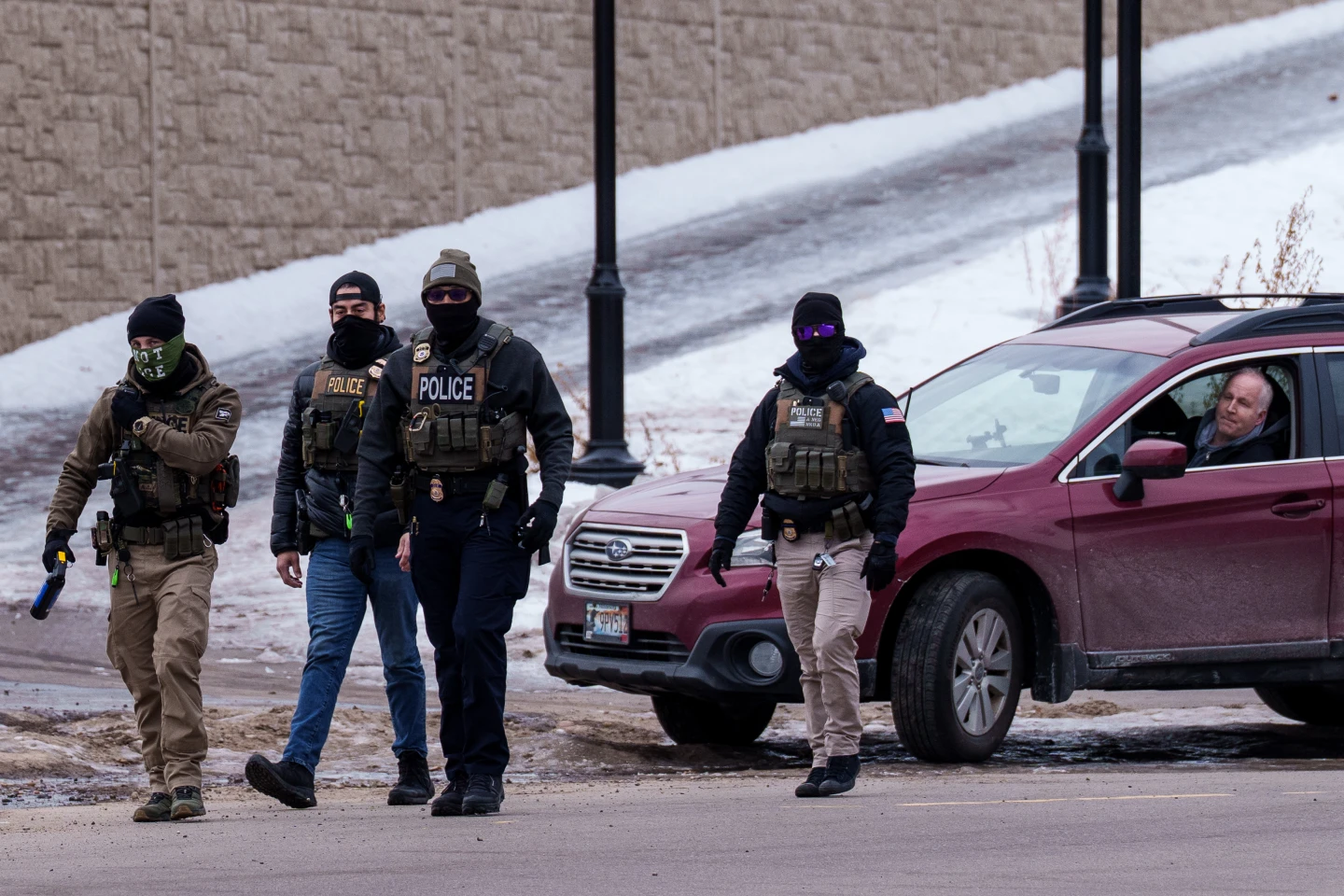
The chaotic scene during Gibson’s arrest went viral, capturing public attention and raising questions about immigration enforcement practices, especially in light of a broader crackdown resulting in over 2,500 arrests across Minneapolis and St. Paul.
Attorney Marc Prokosch stated, We were there for a check-in and the original officer said, ‘This looks good, I’ll be right back,’ but chaos followed as multiple officers then took Gibson back into custody. This incident highlights the ongoing tensions surrounding immigration enforcement, especially in the context of heightened confrontations since the recent fatal shooting of Renee Good by authorities.
Gibson, 37, fled Liberia during his childhood amidst civil war and has remained in the U.S. under an order of supervision stemming from a past drug conviction, which was later dismissed. His case symbolizes the complex and often harsh reality faced by immigrants, particularly in regions witnessing intensive immigration actions.
In light of these events, tribal leaders and Native American rights advocates are urging members to carry their tribal identification in public, prompted by increased interactions with U.S. Immigration and Customs Enforcement (ICE). Reports of unwarranted stops and the apprehension of individuals based on their tribal identity have contributed to the ongoing anxiety within Native communities.
Protests and community actions continue as Minnesota’s residents react to the increased visibility of federal agents in their neighborhoods, in a climate of fear and division.


