
In brief
Romania has shut its sole nuclear power station after Danube River levels dropped to a 30‑year low, forcing cooling failure. The Cernavodçá plant’s second reactor will not restart within ten days, leaving a 20% electricity shortfall that will be met by renewables and imports. Hungary’s Paks plant faces similar risks, while the wider European hydrosystems are strained by heatwaves and drought, highlighting the energy and climate challenges facing the continent.
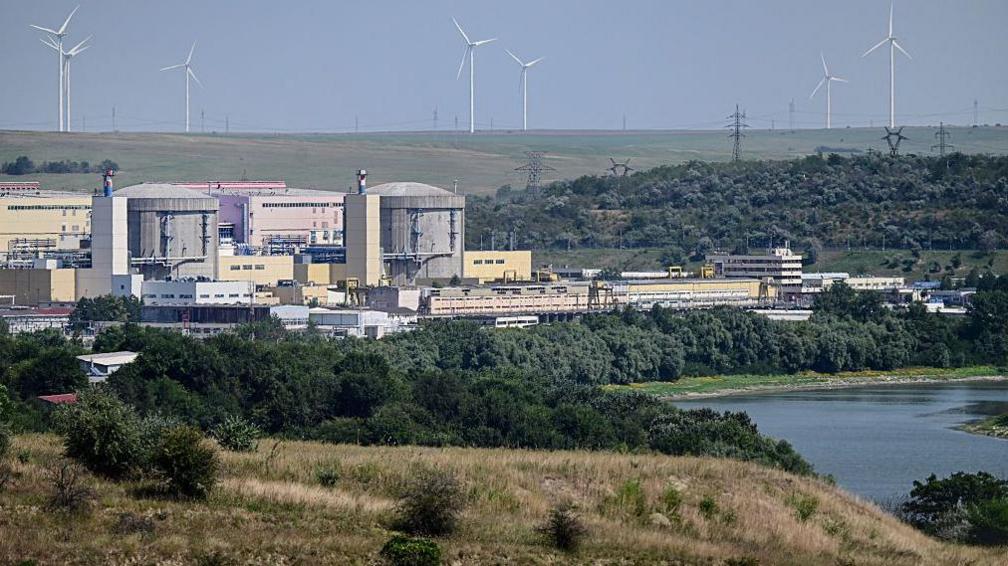
Romania’s sole nuclear power station, Cernavodçá, was forced to shut its second 706‑megawatt reactor after Danube water levels dropped to their lowest in 30 years.
Officials say the river no longer supplies enough cooling for the reactors, and the plant will not restart within the next ten days.
The country’s power mix will pick up the slack with solar, wind and coal or gas plants, and it will have to import electricity at night.
Hungary’s Paks plant, the only nuclear power station there, has yet to shut down but the low water has raised alarms about the future of nuclear production on the continent.
The plunge in the Danube is part of a wider European pattern: the Rhine is also at record‑low levels, underlining the growing pressure of heatwaves and droughts on water‑dependent infrastructure.
Climate experts warn that the persistence of these extreme temperatures could ripple across agriculture, transport and energy markets.
