
In brief
The Arctic, once seen as a land of opportunity, has come to a standstill as national interests collide and environmental concerns mount.
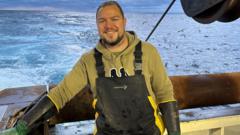
Donald Trump's attention is back on Greenland, partly for its mineral wealth, but other Arctic developments remain frozen as geopolitical tensions, especially after Russia's actions in Ukraine, hold back progress. The ongoing challenges of working in extreme winter conditions have raised concerns for fishermen like Sondre Alnes-Bonesmo, who faces bitter cold and long hours navigating the shifting Arctic environment aboard his factory trawler, Granit.With climate change reducing ice levels, optimism surrounding the so-called "cold rush" has waned since it first blossomed in 2008, following reports of rich mineral and hydrocarbon reserves in the region. The reduction of ice has indeed made previously inaccessible sea routes viable, and a dramatic increase in recorded ship distances through the Arctic reflects a yearning for commercial opportunities. However, just as activity was expected to intensify, relations between Russia and the West soured sharply post-Ukraine invasion, halting many planned projects in the region.Norway's planned investments in Arctic oil and gas exploration have been shelved, much to the relief of environmental organizations concerned about wildlife. Greenpeace applauded Norway’s recent decision to abandon deep-sea mining efforts in Arctic waters, citing the environmental risks involved. Industry experts echo similar themes, noting that despite some operational windows opening, the region remains fraught with unpredictability. Harsh weather conditions, limited emergency infrastructure, and high operational costs render many of these ventures less commercially viable than previously hoped.These frigid realities have thrown cold water on overzealous projections about Arctic shipping and resource extraction. While the allure of untouched mineral wealth remains, actual exploitable reserves are far fewer than initially estimated. The combined impact of environmental concerns and geopolitical shifts suggests that dreams of an Arctic economic boom may remain just that—dreams.On the political front, Trump’s comments about Greenland drew swift rebukes from its authorities, reiterating the territory is not on the market. Furthermore, he is expected to push forward with plans to boost oil and gas exploration in Alaska's Arctic National Wildlife Refuge, further straining delicate regional dynamics. Meanwhile, Canada is moving ahead with infrastructure investments to support Arctic navigation, illustrated by a new deep-water port in Nunavut. The Arctic may offer scenic beauty and potential riches, but the near future looks less promising for those banking on a renewed rush for resources. Consequently, as fishermen like Alnes-Bonesmo continue to endure daunting conditions, they find both fear and respect for the unyielding Arctic Ocean that shapes their livelihoods.
