In brief
A deep dive into the historical context and cultural phenomena surrounding the introduction of The Beatles to American audiences in the wake of JFK's assassination.
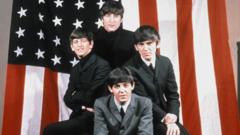
On February 7, 1964, The Beatles touched down at the newly renamed John F. Kennedy International Airport, just two months after President John F. Kennedy was assassinated. Paul McCartney, in the new documentary "Beatles '64," hinted at a unique connection between their rise to fame and the sorrowful national mood following Kennedy's death. "Maybe America needed something like The Beatles to be lifted out of sorrow," he suggested. Many have contemplated whether the assassination served as a catalyst for the band's success in America.Historian Dr. Patrick Andelic notes the parallel appeal of JFK and The Beatles, particularly among America's youth. He explains, "Kennedy was the first TV president," which meant his death resonated deeply given the relatively new landscape of media consumption. Families were glued to their television sets, amplifying both the shock of his assassination and the subsequent need for uplifting entertainment.Prior to their U.S. visit, The Beatles had already established themselves in the UK, scoring multiple number-one hits. Their rise was aided by a successful performance at the 1963 Royal Variety Show, propelling them to celebrity status. Senior music lecturer Dr. Holly Tessler emphasized that their British success laid the groundwork for their American ambitions.Dr. Andelic remarked that while JFK's vitality captured a generation, his tragic death prompted a collective yearning for positivity and stability that The Beatles seemed to embody upon their arrival. Their youthful antics and lively demeanor appealed to a nation looking for relief from despair.Despite many British artists struggling to penetrate the American market, The Beatles managed to break through thanks in part to strategic decisions made by their manager, Brian Epstein. The band’s single "I Want to Hold Your Hand," which hit U.S. stores shortly after Kennedy's assassination, quickly soared to the top of the charts, paving the way for their historic American debut.When The Beatles made their initial appearance on "The Ed Sullivan Show" on February 9, 1964, television history was made. Approximately 70 million viewers tuned in, marking a significant milestone for the band and American pop culture. Critics suggest that the overwhelmingly positive reception and audience connection should be viewed independently from the atmosphere of the time surrounding JFK's assassination.Spencer Leigh, an author on The Beatles, suggested that while the assassination undoubtedly created a somber backdrop, the true turning point for The Beatles was their performance on Sullivan’s show, solidifying their status as international stars. Dr. Tessler asserts that attributing their success to JFK's assassination may simplify complex socio-cultural dynamics. Whether JFK's tragic death impacted the Beatles' legendary trajectory remains a subject of debate. Nonetheless, the intertwining of music, media, and mourning arguably shaped an unforgettable chapter in American history, signaling the start of Beatlemania and the vibrant cultural revolution that followed. "Beatles '64" is available for viewing on Disney+, and further explorations into the Beatles' lasting influence can be found through various online platforms and radio shows.