
In brief
The Iranian government has decided to pause the rollout of the "hijab and chastity law," citing the need for reform amid criticism from rights activists and the public.
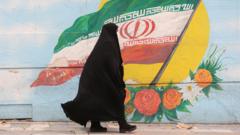
In a significant move, Iran's National Security Council has halted the enforcement of the contentious "hijab and chastity law," which was set to be enacted on Friday. President Massoud Pezeshkian characterized the proposed legislation as "ambiguous and in need of reform," indicating his willingness to reevaluate its provisions. This law aimed to impose stricter penalties on women and girls for not conforming to traditional dress codes, specifically for showing hair, forearms, or lower legs. Such measures have drawn intense scrutiny from human rights advocates.The proposed legislation called for heightened punishments for repeat offenders, including fines and potential prison sentences of up to 15 years, alongside accountability for businesses that reported violations. Amnesty International criticized the initiative, warning it could deepen Iran's systematic repression of women's rights. Pezeshkian, during his presidential campaign in July, had controversially addressed the treatment of women, vowing not to intrude on their personal choices, a sentiment that resonated with many younger voters eager for change.The debate over the hijab escalated recently when Iranian singer Parastoo Ahmadi faced arrest while performing in a digital concert without wearing the hijab, leading to public outrage and protests that sparked rapid backlash from officials. The recent unrest around the hijab issue stems from the death of Mahsa "Zhina" Amini in 2022, a young woman who died in police custody after being detained for alleged hair exposure under the dress code.From youth to activists, more than 300 Iranian professionals have publicly denounced the law as "illegitimate and unenforceable," urging Pezeshkian to stay true to his campaign pledges. Despite ongoing pressure from conservative factions in the government, many young Iranians appear willing to openly challenge the regime's restrictive dress codes. Pezeshkian's supporters express skepticism regarding the potential effectiveness of the new law, suggesting it may, in fact, encourage more resistance among young women.The government's decision to suspend the law reflects a recognition of its potential to incite mass protests similar to those witnessed in recent years, illustrating the complex dynamics at play in the ongoing struggle for women's rights in Iran. As public sentiment shifts, officials must navigate the precarious balance between enforcing traditional values and addressing the demands for reform.

