WASHINGTON (AP) — Republican Speaker Mike Johnson has signaled that the federal government shutdown could become the longest in US history, stating that he would not negotiate with Democrats until they pause their health care demands.
On the 13th day of the shutdown, Johnson, speaking from the Capitol, mentioned that he was not familiar with the details involving thousands of federal worker layoffs prompted by the Trump administration. This step is widely perceived as a maneuver to exploit the shutdown for reducing government scope. Vice President JD Vance has also warned about “painful” cuts looming, accompanied by legal challenges from employee unions.
“We’re barreling toward one of the longest shutdowns in American history,” Johnson remarked.
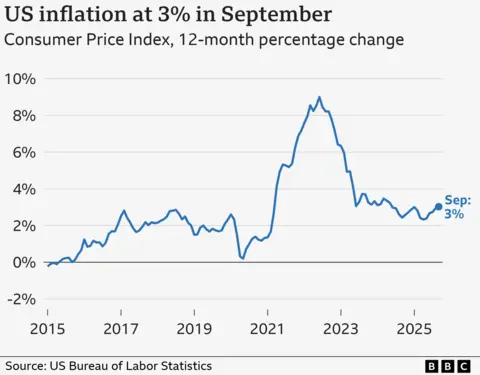
Without a clear resolution, the shutdown seems likely to continue indefinitely. Its consequences have already led to the cessation of routine government operations, closures of iconic sites like Smithsonian museums, and disruptions at airports, as flight operations face challenges, further shaking an already precarious economy.
The House is not in legislative session with Johnson declining to summon lawmakers, while the Senate is set to reconvene Tuesday after the federal holiday. However, the Senate remains mired in a gridlock of unsuccessful votes, with Democrats unwilling to relent on health care demands.
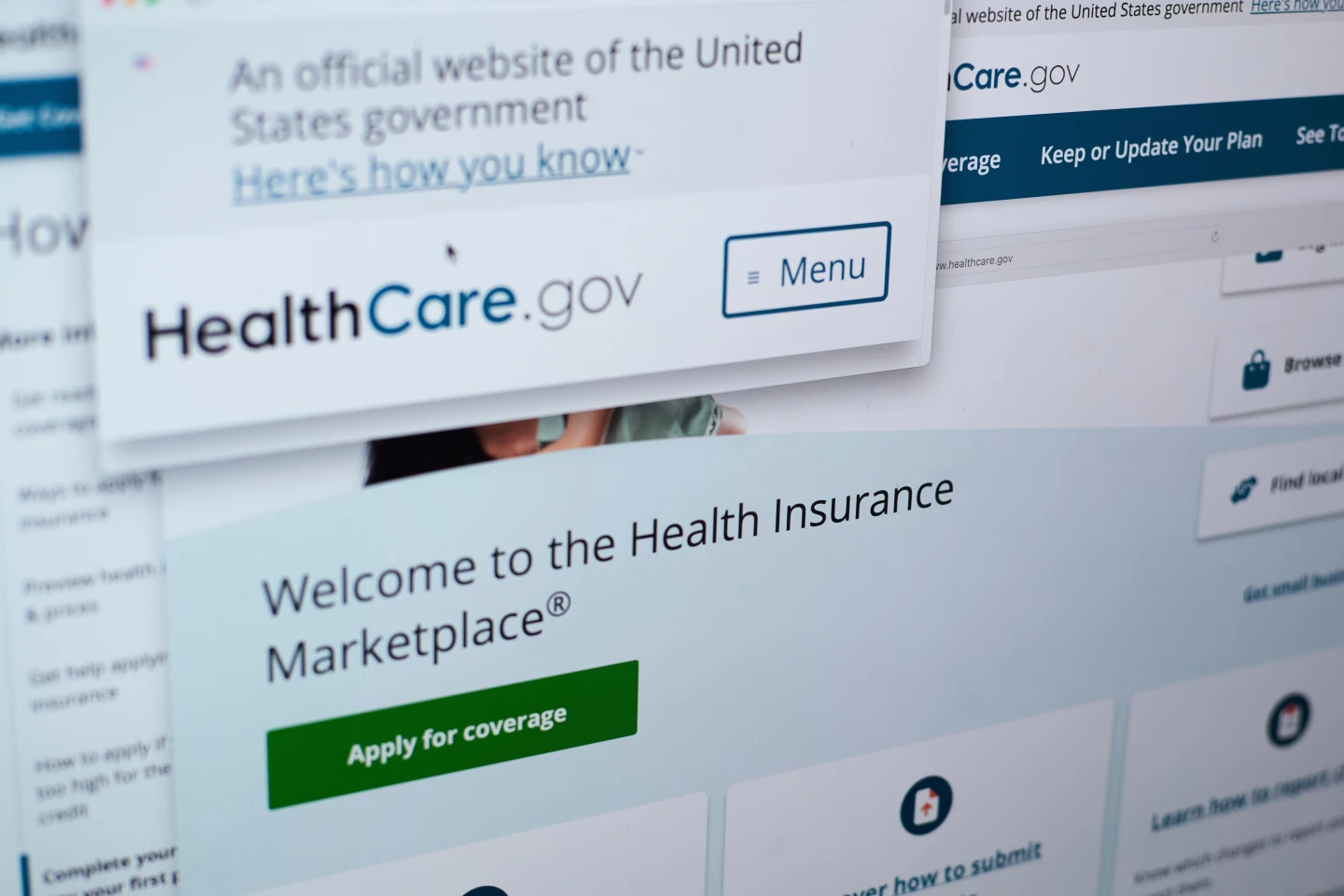
Johnson credited President Trump for ensuring military personnel receive payment this week, alleviating one considerable pressure point that could push for negotiations. At the heart of the shutdown issue lies the contentious debate surrounding health care policies, especially the expiring Affordable Care Act subsidies which are crucial for millions who rely on government aid for health insurance. While Democrats advocate for extending these subsidies, Republicans have pushed to address that at a later time.
With both Congress and the White House stuck at an impasse, observers are looking toward the month’s end as a pivotal moment for the government’s reopening when open enrollment commences on November 1. At this time, Americans may face exorbitant insurance premiums if Congress fails to renew the subsidy payments expiring on December 31. Additionally, workers reliant on a monthly paycheck, including numerous House aides, will also go unpaid.