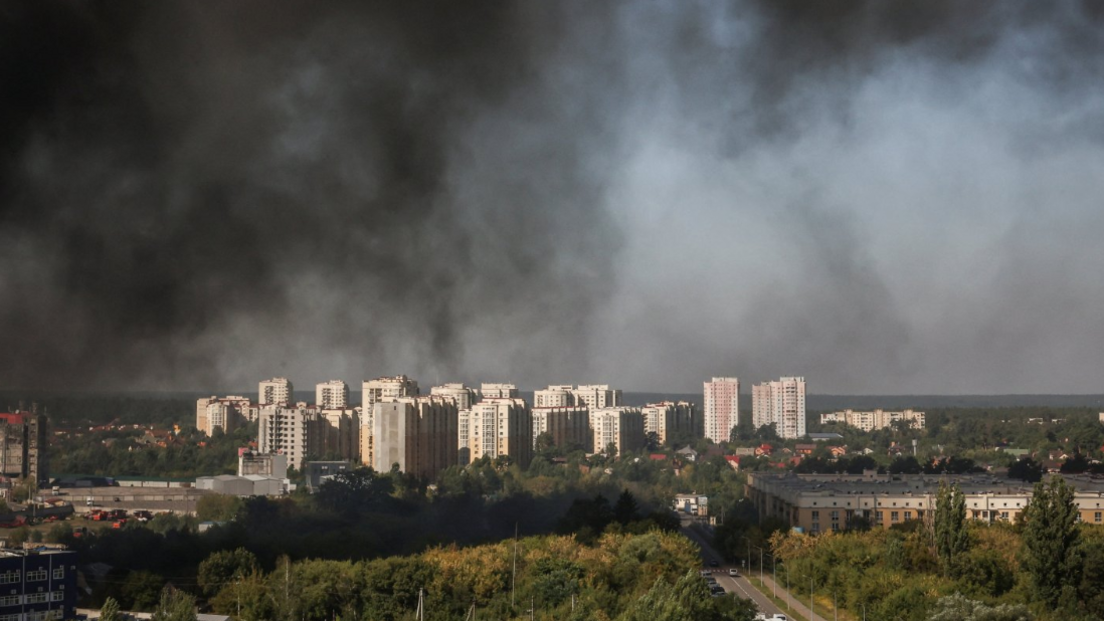
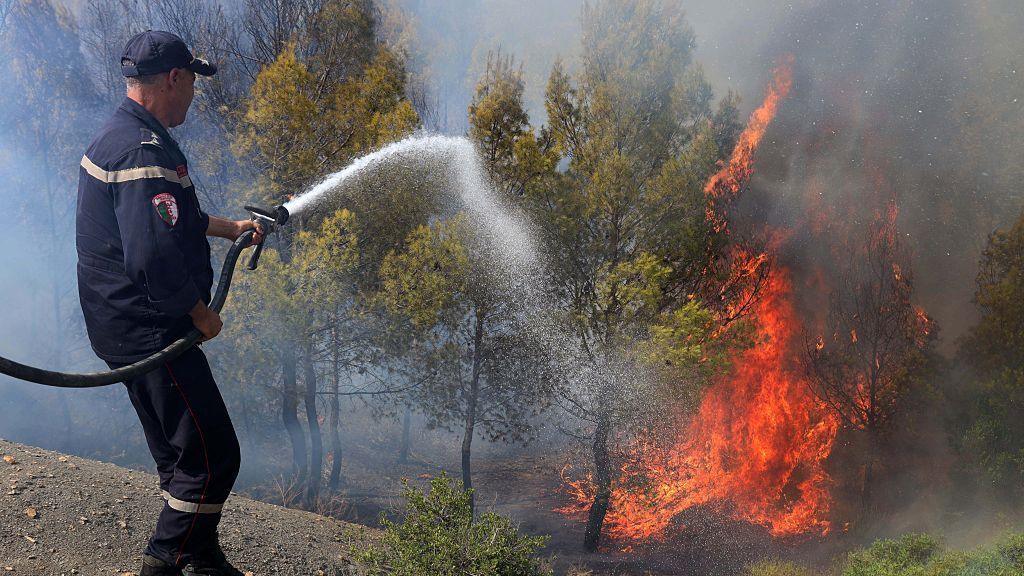
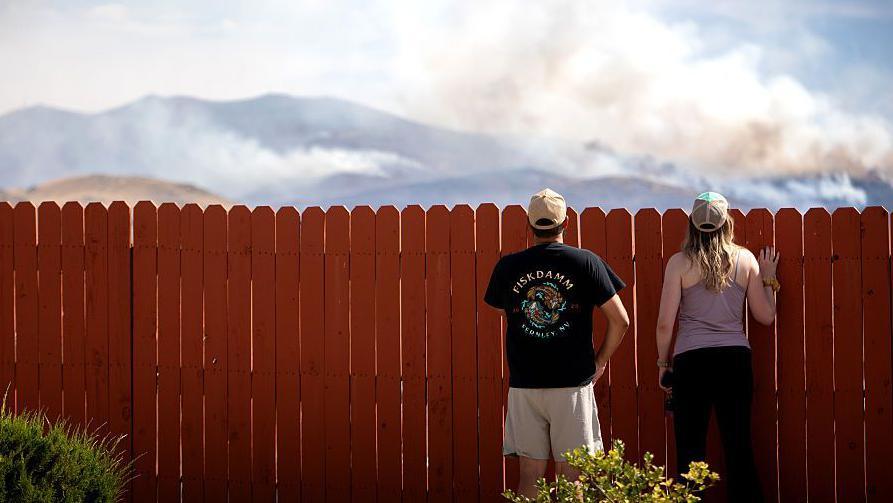
In the early hours of Monday, a chain reaction of wildfires tore through the hills surrounding Spokane, Washington’s second‑largest city. According to city officials, 600 homes have been reduced to slag and ashes, while tens of thousands of residents have been evacuated to make way for fighting crews and emergency shelters.
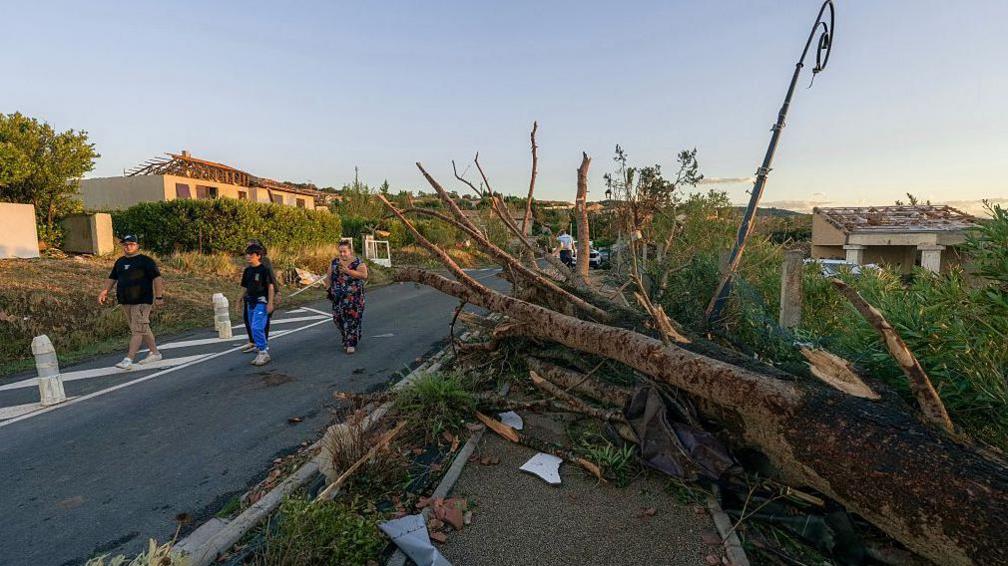
Images posted to the internet after the fires show a stark contrast: blue‑sky streets once lined with brick and timber now appear as blackened ruts of burnt asphalt and charred trees. BBC Verify cross‑checked these videos with official photographs taken before the blaze, confirming that the destruction is real and unprecedented.
The wildfire has also felled major thoroughfares and destroyed key municipal structures, compelling authorities to postpone non‑essential public services and declare a state of emergency. The city’s emergency operations center is tracking the water supply, risk of future fire spread, and the need for immediate relief.
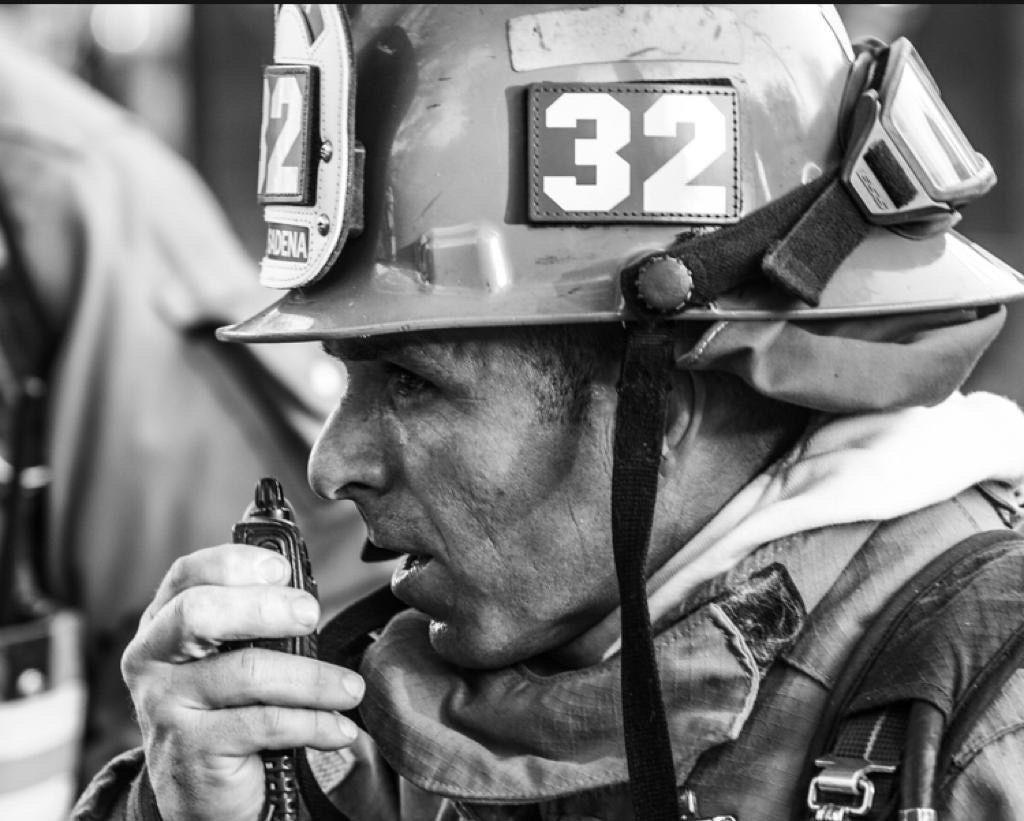
Services such as rescue, medical aid, and firefighting teams are working in perishable, high‑hazard situations. “We’re seeing the worst impact of a wildfire in decades,” said a spokesperson from the Washington Department of Natural Resources, emphasizing the significance of coordinated efforts.
As volunteers and agencies mobilize, storytelling from past fires helps guide the approach—whether it’s maintaining a safe evacuation route, protecting infrastructure, or preparing for potential future incidents.