
In brief
Researchers have recorded an extraordinary 5.5 % decline in Switzerland’s glacier ice over the past year, the steepest loss since the 1990s. The rapid melt has already supplied a record 2.2 trillion litres of water, but also thinned the long‑term freshwater reservoir that feeds agricultural and hydropower systems. Experts warn that mounting glaciers may undercut slopes, raising landslip risk, and that future heatwaves will see little old ice left to melt. The crisis underscores the urgency of limiting greenhouse‑gas emissions, especially in the Arctic and the Himalayas where most of the world’s ice remains.
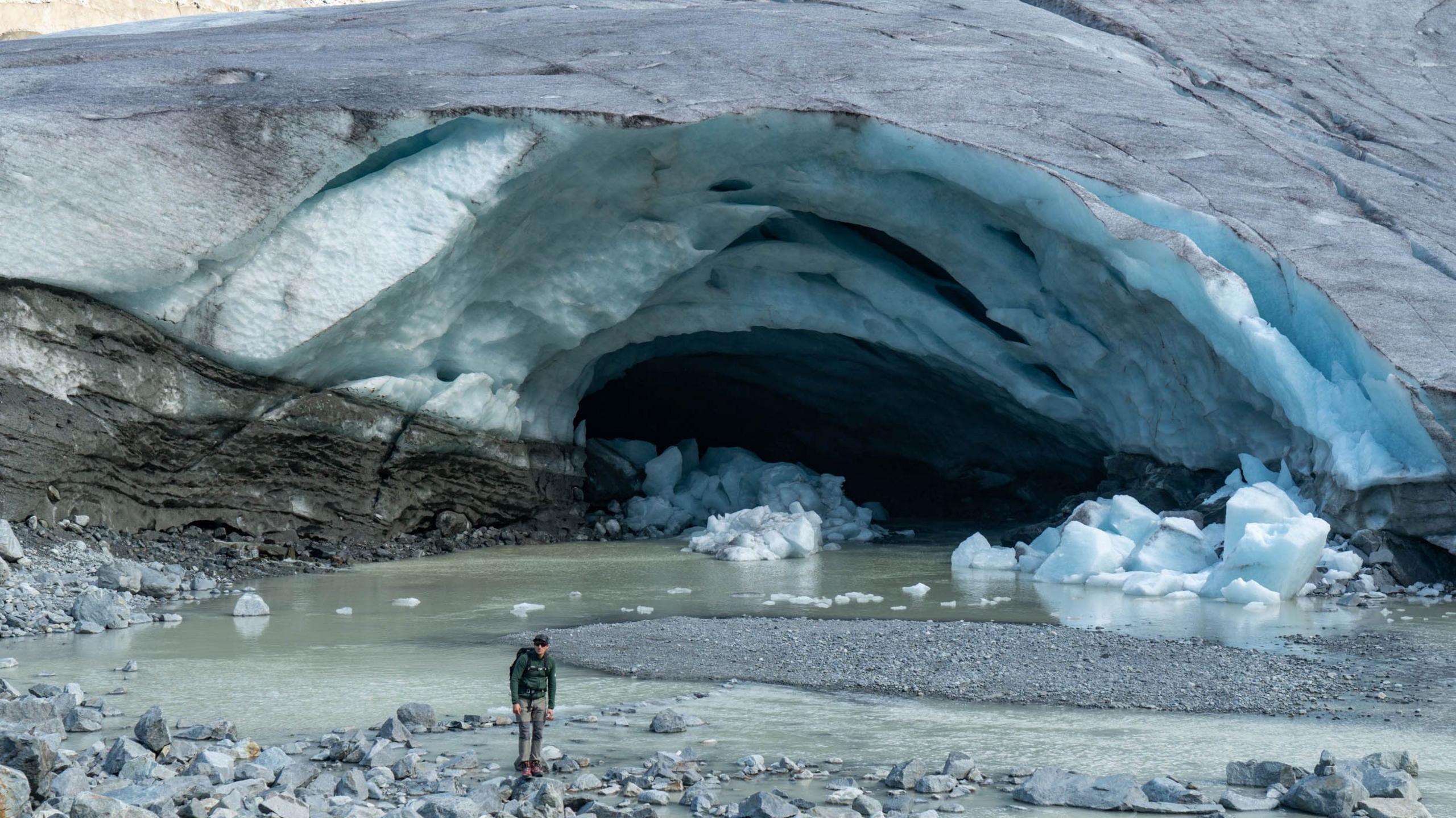
Swiss glaciers have lost more than 5 % of their remaining ice in just 12 months according to the latest Glacier Monitoring Switzerland report. Scientists call the decline extraordinary and warn it could trigger serious problems for water supplies to farms, hydropower plants and transport routes.
The melt released an estimated 2.2 trillion litres of water between July and September, easing short‑term shortages but depleting the long‑term frozen store that replenishes rivers over decades. As the glaciers thin, glacial meltwater will be harder to recover in future heatwaves.
Even in the high Alps, where snow typically protects the ice, researchers found no snow left at 3 500 m on the tallest peaks. “At some glaciers we’ve lost four metres of ice at the highest point where they should be snow‑covered at this time of year,” said Dr Matthias Huss.
The rapid loss of ice also raises the risk of mountain slope instability and flash floods, as the 2024 Nepal landslide demonstrated.
What experts say
“Every drop of water that runs off during these heatwaves is kind of old water stored in glacier ice centuries or decades ago,” said Huss. “It’s helping us now but it is unsustainable, so we won’t have it at disposal in the next heatwave.”
Scientists stress that cutting carbon emissions still offers a chance to preserve glacier ice worldwide. Huss added that stabilising the biggest ice masses could limit global sea‑level rise, safeguarding billions living along coastlines.
Additional reporting by Dominic Bailey
Sign up for our Future Earth newsletter to keep up with the latest climate stories. Outside the UK? Sign up to our international newsletter here.

