
In brief
Authorities are grappling with the implications of missing flight data and cockpit recordings from the Jeju Air disaster that claimed 179 lives, marking it as South Korea’s deadliest air crash.
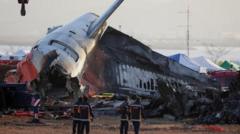
The black boxes from the ill-fated Jeju Air flight, which tragically crashed last month near Muan International Airport, stopped recording just four minutes prior to the impact. This loss of crucial data is a significant setback for investigators attempting to piece together the events leading up to the disaster. Only two of the 181 individuals aboard, both cabin crew members, survived the incident.The flight originated in Bangkok and was making its landing approach on December 29 when it unexpectedly touched down about one-third of the way along the runway, sans deployed landing gear. After skidding off the end of the runway, the aircraft collided with a wall, ultimately resulting in a catastrophic fire.Initial examinations of the flight data and cockpit voice recorders took place in South Korea; however, upon discovering the absence of data for the final minutes, the recorders were sent to the United States for further analysis by American safety investigators. South Korea's transport ministry aims to determine the cause behind the black boxes ceasing to record.Experts have raised concerns about the implications of this data failure. Sim Jai-dong, a former transport ministry accident investigator, noted that such a loss of data may indicate that all power sources, including the emergency backup, were lost before the crash.While investigators continue to pursue leads, including possible bird strikes or adverse weather conditions, the pressing question remains why the Boeing 737-800's landing gear was not deployed during landing. As families of the victims await the recovery of their loved ones, frustration grows over the slow pace of the investigation and the lingering uncertainties surrounding this tragedy.

