

In brief
When South Korea’s fertility rate slipped to an all‑time low, government officials turned to an unlikely answer—a 30‑hour dating retreat at Donghwasa Temple. Twelve men and twelve women, selected from a pool of 1,600 applicants, were challenged to meet romantic sparks in a series of activities led by monks. From gentle walks and lunch dates to a talent show and a city‑wide speech, the retreat wove tradition with modern matchmaking. Eight couples emerged, while many others found new friends and confidence in a format that blends faith, culture and demographic policy.
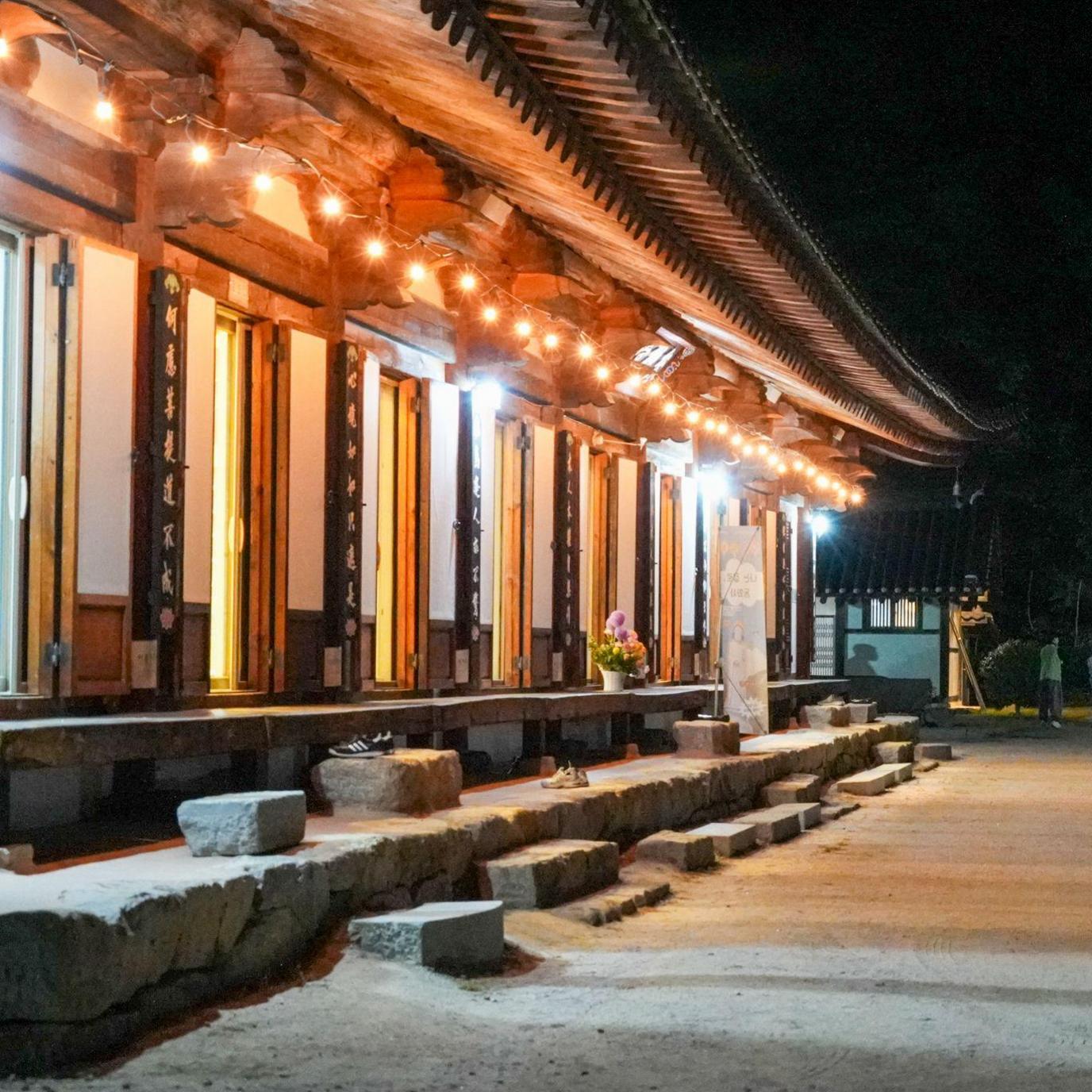
When South Korea’s fertility rate dipped to an historic low of 0.72 children per woman, the government sought inventive solutions to “save the country” by boosting births. One bold experiment brought 12 men and 12 women to the 8th‑century Donghwasa Temple in Palgongsan for a 30‑hour romantic retreat.
Participants were pre‑screened from over 1,600 applicants using questionnaires and selfies that gauged commitment to marriage and parenthood. The chosen singles arrived at the temple, greeted by a burnt‑orange‑robed monk who explained that, just as in the 1500s, monks once defended Korea’s people, now they would guard the future of its families.
The day unfolded in a tight schedule: an introduction round where each man distributed homemade French pastries, a lunch‑date session where couples exchanged plastic roses and set short‑term goals, a talent show that mixed music and awkward performances, and a closing speech from a senior monk urging procreation before the national anthem.
Results were twofold. Eight couples, including a staff member and a participant, sealed their matches, while the rest departed with a mix of disappointment, newfound friendships and a newfound confidence that turned the retreat into a mini‑bachelor party in a temple courtyard.
The government’s fly‑in matchmaking events—ranging from woodworking dates to riverside DJ nights—have been part of Korea’s $250 billion baby‑boosting push. While birth rates declined for years, the 2024 uptick to an average of one child per woman suggests a slow, complex shift in societal attitudes and may hint at the influence of these cultural experiments.
South Korea’s story demonstrates that tackling a demographic crisis can blend public policy, community engagement, and even spirituality. Whether monks can become permanent matchmakers remains to be seen, but the temple retreat sparked conversations that echo beyond the storied courtyard walls.
