
In brief
In a tragic incident in Islamabad, a bombing at a Shia mosque during Friday prayers has resulted in 31 fatalities and approximately 169 injuries. Eyewitness reports indicate gunfire followed by the explosion. Emergency services responded swiftly, with an appeal for blood donations issued. Government officials, including Prime Minister Shehbaz Sharif, condemned the act of terror, calling for thorough investigations. Accusations between Pakistan and its neighbors, India and Afghanistan, have surfaced, complicating an already tense geopolitical landscape.
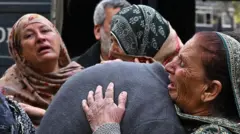
At least 31 people have been killed and 169 injured in an explosion at a mosque during Friday prayers in Pakistan's capital, Islamabad, officials say.
According to police, a suicide bomber detonated a device after approaching the gates of the Shia mosque in the Tarlai area of the city. Eyewitnesses have told the BBC the blast was preceded by the sound of gunfire.
An emergency was declared as hospitals began to receive the wounded, with an appeal sent out for blood donations.
Condemning the incident, Pakistan's Prime Minister Shehbaz Sharif expressed deep grief as he called for a thorough investigation and the immediate identification of those behind the attack.
In separate statements, Pakistan's President Asif Ali Zardari said targeting innocent civilians is a crime against humanity, while Defence Minister Khawaja Asif suggested India and Afghanistan were behind the attack.
Asif said in a social media post that it had been proven the attacker had travelled to and from Afghanistan, and collusion between India and Afghanistan is being revealed. Afghanistan's Taliban government described Asif's comments as regrettable, saying the Pakistani minister hastily attempted to attribute the incident to Afghanistan without presenting any credible evidence.
The Indian foreign ministry also condemned the attack and sent condolences for the loss of life, calling the accusations it may be involved baseless.
Last year was also Pakistan's deadliest in over a decade as combat-related deaths surged 74%, with militants accounting for more than half the death toll, according to a new report released by an independent think tank.