Canada’s Dairy Powerhouse Faces Trump Tariffs
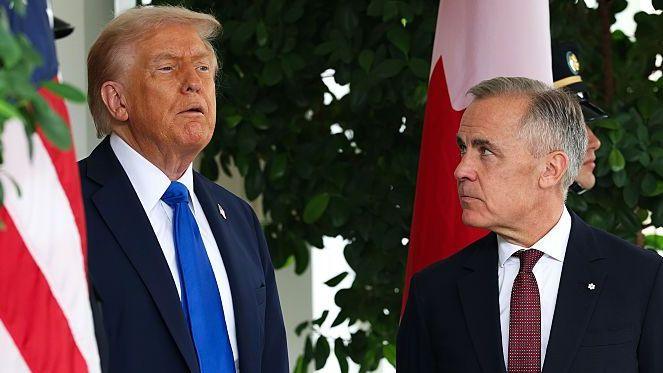
When the U.S. announced an extra 50 % tariff on $20 billion of Canadian goods this month, it single‑outed the country’s dairy system as one of the three main irritants. The policy, which sets quotas, prices and import limits on milk, eggs and poultry, has been called “unreasonable” by Trump, who demands more access for American farmers north of the border.
The dairy sector is a political behemoth. 77 % of Canadians support the current framework, according to polls, and it is defended by leaders across the political spectrum. Quebec’s Premier Christine Fréchette declared supply‑management non‑negotiable, and Trade Minister Dominic LeBlanc explained that the system guarantees “price and supply stability for food staples.” The Canadian Chamber of Commerce and the Association of Canadian Dairy Farmers also back the status quo.
Opponents argue the structure distorts trade. The OECD has called it “inflationary,” and some Canadian economists say it keeps food prices too high. Former Calgary journalist Jen Gerson wrote that ending supply‑management would “save Canadians money and broaden choices.” Yet dismantling the system would require a massive compensation package—an upfront cost that many governments are reluctant to bear.
For the United States this tariff move is part of a broader push to level the playing field. American producers can now sell only 3.5 % of Canada’s dairy market, despite Canada being one of the top importers of U.S. dairy at $1.3 billion in 2025. A White House statement notes that Canada’s free‑trade agreement with the EU gives European cheese a “fair advantage” whereas American dairy companies claim the Canadian system is discriminatory.
The fallout is already visible. In May, the average price of a litre of milk in Canada was C$3.19, nearly halfway higher than the US price of C$1.95. While many Canadians say they would not buy American dairy, a few still question whether 77 % public support reflects a full understanding of the policy’s complexity.
Experts caution that any shift could shift political balances. Ryan Cardwell, a professor at the University of Manitoba, notes that the Liberal Party could lose seats if it loosens the supply‑management framework. Meanwhile, Jamaica and the EU have differed on similar systems, with Australia using a consumer levy to fund a transition that eventually abolished quotas in 2015. Canada, however, appears to be resisting change.
At this juncture, the Canadian government can either hold firm on a policy that bolsters thousands of farms or confront the U.S. by adjusting the rules, risking political backlash and economic uncertainty. The stakes are high: the outcome will shape not only dairy farmers but also the cost of staple foods for consumers and the future of North American trade relations.