Tupac Shakur Murder Trial Begins: Key Points from Opening Statements
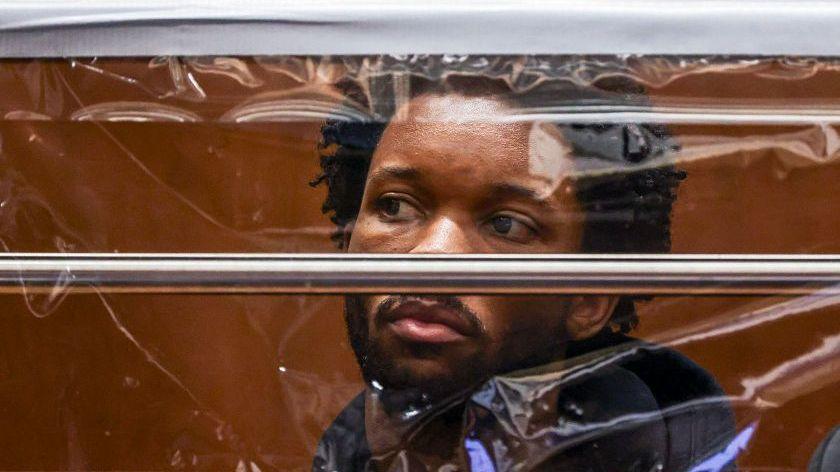
On Tuesday, the Las Vegas courthouse became the stage for a long‑awaited legal showdown over the 1999 killing of jazz‑shattered artist Tupac Shakur. The defendant, former gang leader Duane “Keffe D” Davis, 63, has pleaded not guilty to one count of murder with a deadly weapon.
Trial Background
Shakur’s death on 7 September 1996 left a legacy of violence and speculation. Despite the passage of 30 years, the case reached Nevada courts in a fresh wave of evidence demanding a holistic view of gang conflicts and celebrity fallout.
Opening Statements
The prosecution pointed to the alleged motive of a street‑feud dispute, emphasizing the use of a firearm as a deadly weapon. The defense countered by highlighting gaps in police testimony and asserting the defendant’s cooperation with law‑enforcement investigations.
Both sides identified three core themes: the jurisdictional standing of Nevada, the relevance of historical gang activity, and the impact of the victim's cultural standing on the investigation.
With the opening statements concluded, the court will now enter the evidentiary phase, scrutinizing witness testimony, forensic reports, and the killer’s alibi.