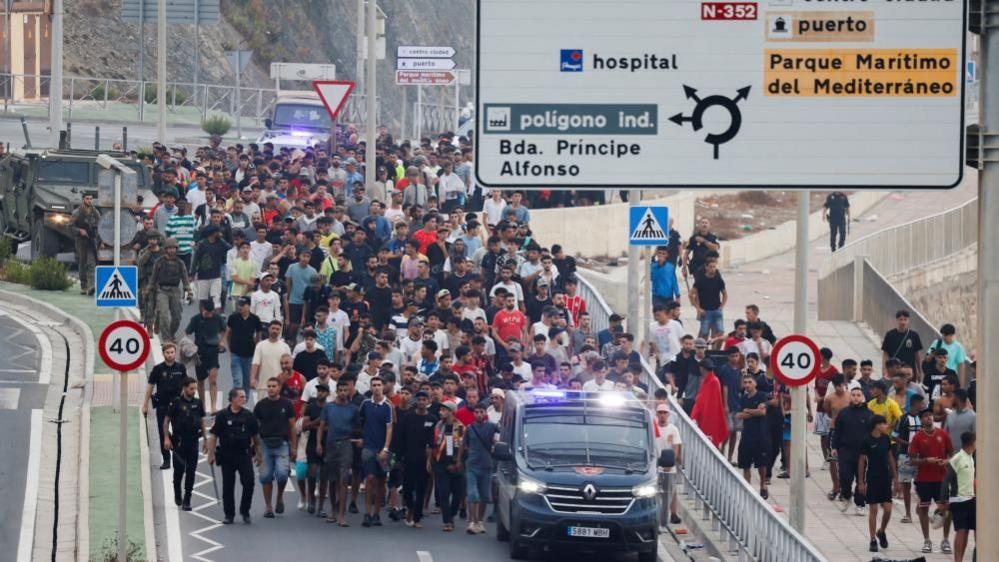
In the chill of late January, a group of Afghan migrants—some as young as thirteen—found themselves trapped in the snow‑clad city of Van, Turkey, after smugglers guided them across the Iranian border into Turkey’s eastern provinces. According to witnesses, Turkish border guards lined up the men and boys and beat them, before stripping them of clothing and holding them overnight in a warehouse that offered only one dole of water and dry bread a day.
The next day, the detainees were forced to work in the harsh cold, carrying wood and clearing snow while snow fell around them. The guards then pushed the group northwest, across a treacherous mountainous route that plunged into sub‑zero temperatures, with no transport or shelter available. Those who could not keep moving were left exposed to the elements; nineteen died or went missing in the snow.
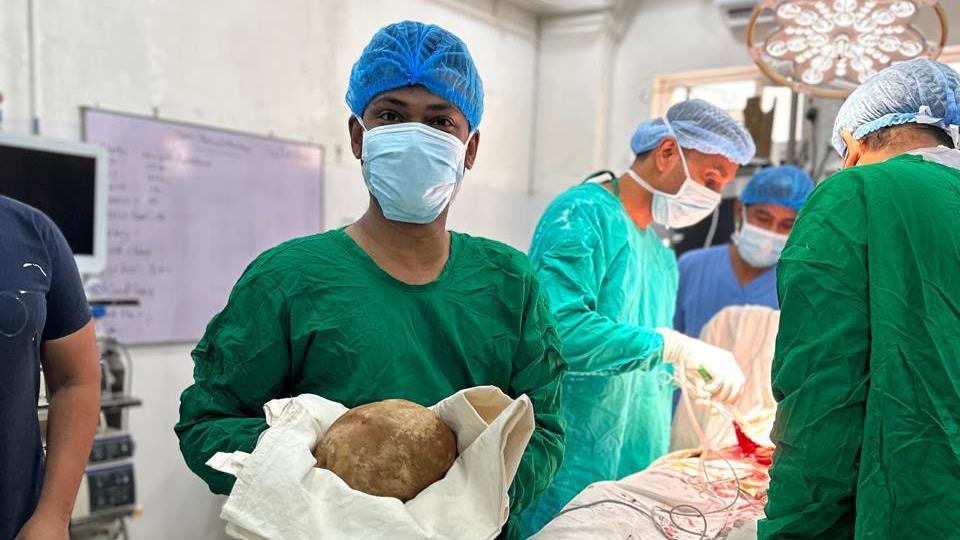
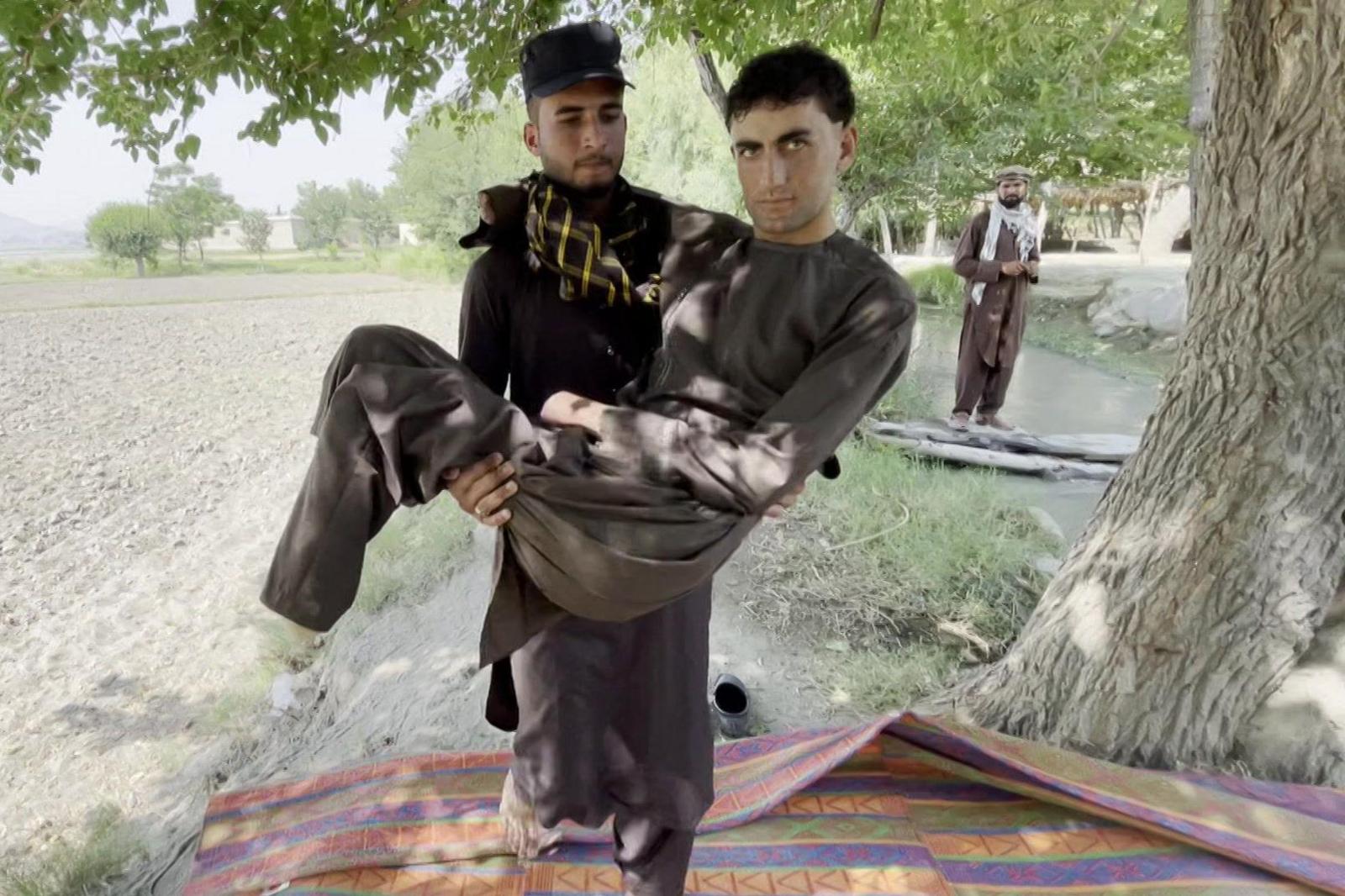
The survivors who later spoke to the BBC suffered severe frostbite. Eleven of the twelve who reported the abuse lost limbs—hands, feet, or both—after their bodies turned black in the freezing conditions. Twenty‑one‑year‑old Shahsawar was transported to a hospital in Kabul, where surgeons amputated both his legs and hands after he awoke in pain, saying "I raised my hands – they felt light. Both had been cut off."
Witnesses describe a scene of twisted bodies and blood, with guards beating them with iron bars on a stormy night. "Some people's heads were broken and blood was flowing over their shoulders," Alawaldin, 23, told the BBC. "We were left on a hill, with our clothes shredded down to trousers, and then pushed through barbed wire toward Iran."
The victims were eventually flown through Iran, then overland to Herat Province and finally Kabul for emergency treatment. Unfortunately the delay left their frostbite irreparably severe; many limbs that could have been saved were lost because timely medical care could not be given.
Turkish officials dismiss the accusations as "unfounded," claiming the migrants were treated in accordance with international law, and accused the BBC of "unfairly casting a shadow on Turkey’s successful efforts in combating irregular migration." Afghan and Turkish human‑rights advocates, such as Şafak Bozkurt, chair of the Van Bar Association Human Rights Centre, counter that the region’s route forces desperate migrants into dangerous, freezing terrain, exposing them to systematic abuse and denial of asylum.
The incident has renewed calls from Afghan human‑rights groups for transparent investigations, better protection of migrants at border crossings, and immediate medical support to prevent preventable amputations.