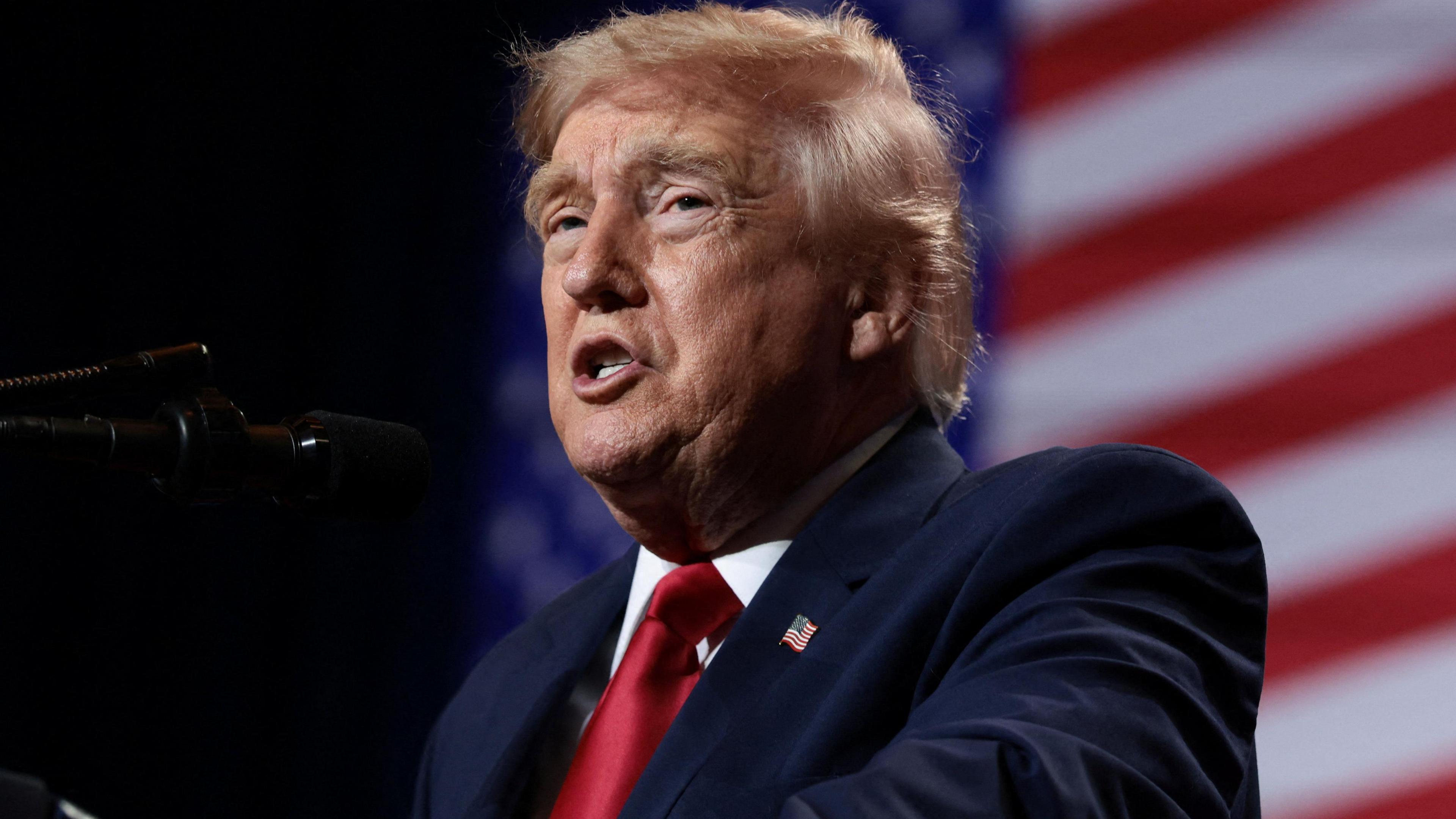
When President Donald Trump appeared at the Pennsylvania Defence and Innovation Summit, he urged the nation’s largest armaments firms to build weapons faster and with greater clarity. The goal was simple: keep the U.S. at the forefront of global warfare capability.
An unprecedented on‑ground cost
The United States’ offensive against Iran, dubbed Operation Epic Fury, raged for almost 40 days. In that period, U.S. forces struck more than 13,000 targets, intercepted roughly 1,700 drones and ballistic missiles, and reportedly used about 803 Tomahawk missiles on the first day alone.
White House figures place the cost at $37.5 bn (£28 bn), most of it spent on munitions. The high‑profile strikes have forced the Pentagon to confront a stark question: how long can the U.S. sustain such an offensive before its missile stocks dwindle?
The stockpile crisis
According to the Center for Strategic and International Studies (CSIS), the U.S. has fired more than 1,000 Tomahawks, a figure that could not be replenished until 2031 without a massive build‑out. Each new missile in the latest TLAM variant costs roughly $2.6 m (£2 m). Patriot air‑defence interceptors, already spaced by years to produce, are also behind schedule; 1,430 were fired from a pre‑war stock of 2,330, and each costs about $4 m.
Even THAAD batteries, prized for their high‑altitude interception, have seen between 190 and 290 missiles fired from an initial stock of 360. Only nine THAAD batteries exist globally, seven of which are American, and rocket‑fusion time means new units will not be ready for several years.
Strategic implications beyond Iran
The “window of vulnerability” highlighted by retired Marine Colonel Mark Cancian stresses that depleted stockpiles could leave the U.S. unprepared for rapid escalation in the Pacific. China, which has increased its missile and drone prowess, is watching the U.S. war‑fighting performance under scrutiny.
Meanwhile, Ukraine has struggled to secure enough Patriots to defend against relentless Russian strikes. Trump’s proposal that Ukraine produce Patriots locally echoes past arrangements with Germany and Japan, seeking cost‑effective, attrition‑friendly solutions.
A balanced narrative?
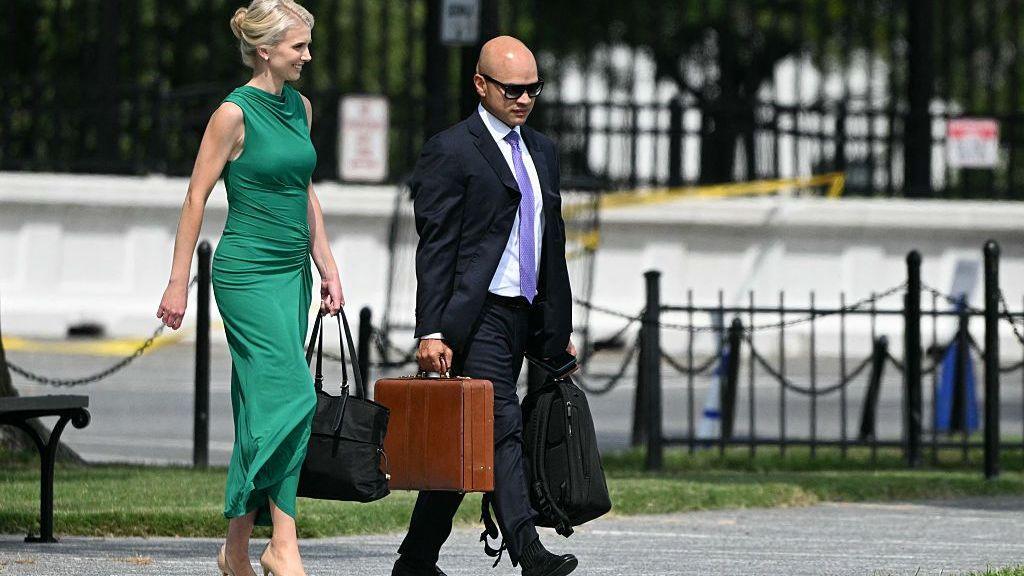
Despite concerns, White House spokesperson Anna Kelly reassures that U.S. munitions remain ample for all current commitments. The government continues to urge defence firms to increase production, confident that shortfalls will be mitigated by a broader build‑up. In the near term, waiting for the Iran war’s conclusion allows resources to be reallocated to other strategic priorities.
For Iran, the picture is starkly different: its missile production facilities have been heavily degraded, limiting its ability to replenish the assets that enabled Iranian threats to the Strait of Hormuz.