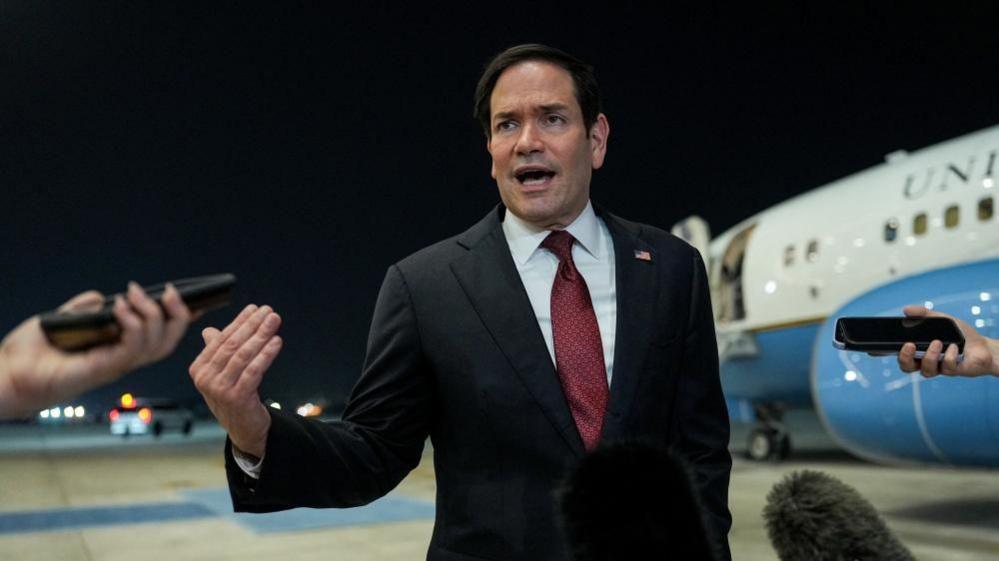
WASHINGTON (AP) — Secretary of State Marco Rubio suggested Sunday that the United States would not govern Venezuela day-to-day other than enforcing an existing 'oil quarantine' on the country, a turnaround after President Donald Trump announced a day earlier that the U.S. would be running Venezuela following its ouster of leader Nicolás Maduro.
Rubio’s statements on TV talk shows seemed designed to temper concerns about whether the assertive American action to achieve regime change might again produce a prolonged foreign intervention or failed attempt at nation-building. They stood in contrast to Trump’s broad but vague claims that the U.S. would at least temporarily 'run' the oil-rich nation, comments suggesting some sort of governing structure under which Caracas would be controlled by Washington.
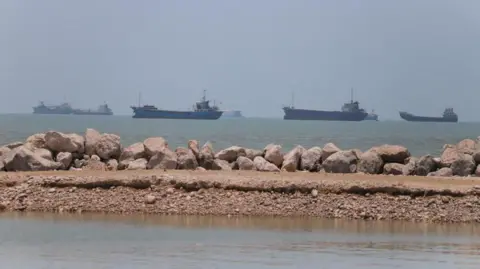
Rubio offered a more nuanced take, saying the U.S. would continue to enforce an oil blockade on sanctioned tankers before Maduro was removed from power early Saturday and use that leverage as a means to press policy changes in Venezuela.
'And so that’s the sort of control the president is pointing to when he says that,' Rubio said on CBS’ 'Face the Nation.' 'We continue with that quarantine, and we expect to see that there will be changes, not just in the way the oil industry is run for the benefit of the people, but also so that they stop the drug trafficking.'
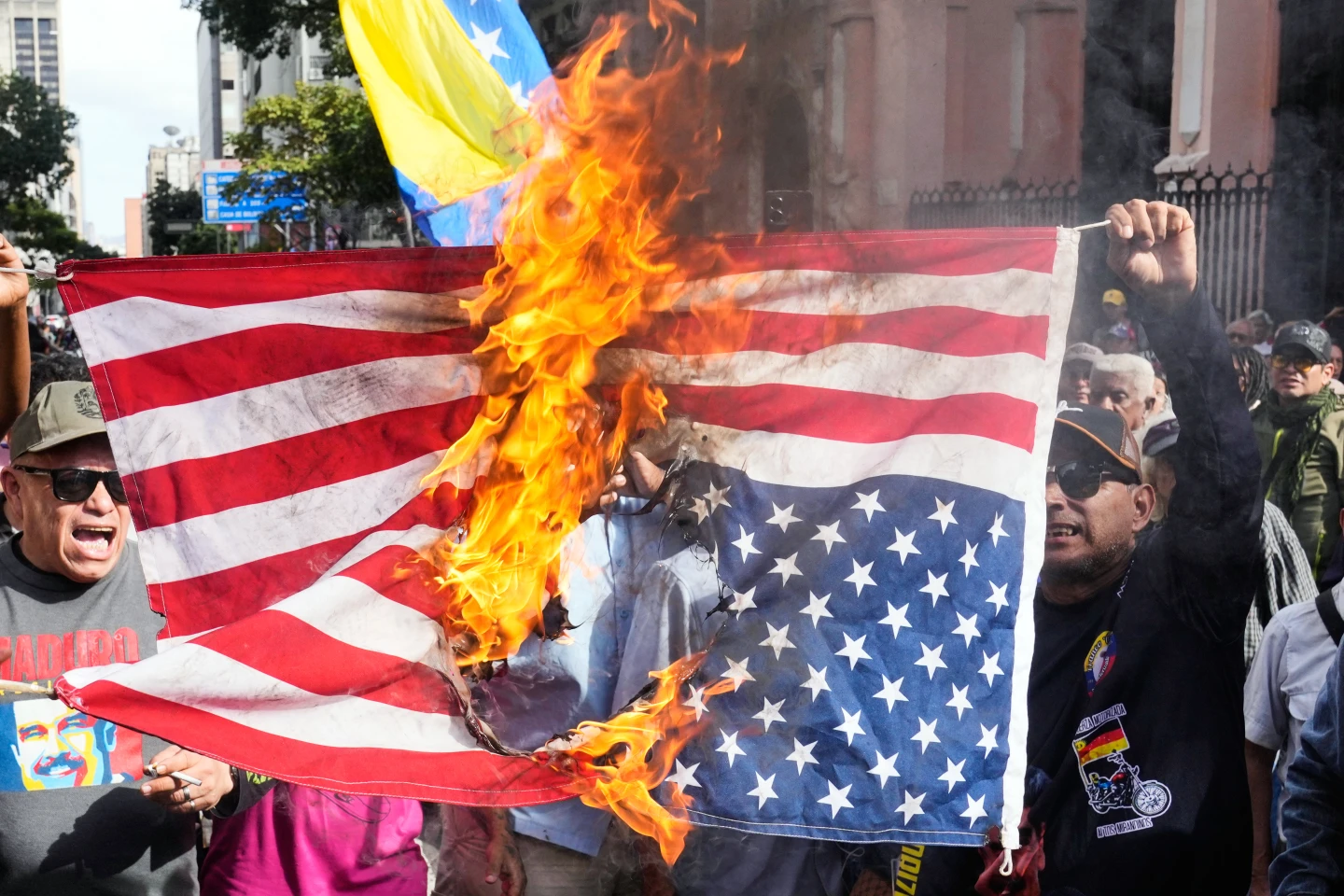
Leaders in Venezuela have pushed back, at least publicly, calling on the Trump administration to release Maduro. Legal experts have already raised questions about the lawfulness of aspects of the administration’s pressure campaign on Venezuela, including the deadly bombing of boats accused of trafficking drugs that some scholars say stretched the boundaries of international law.
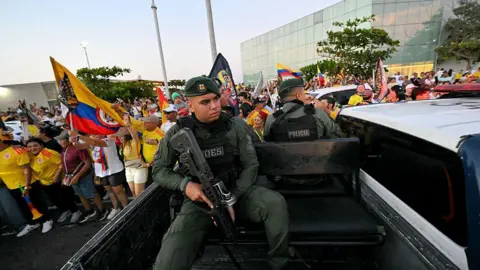
Maduro landed late Saturday afternoon at a small airport in New York City’s northern suburbs after a military operation extracted him and his wife, drawing condemnation from his government as 'imperialist.' Venezuela remains unusually quiet following the operation with many businesses closed, while Maduro’s vice president called for action against what she termed a kidnapping of the country's rightful leader.
Rubio’s statements on TV talk shows seemed designed to temper concerns about whether the assertive American action to achieve regime change might again produce a prolonged foreign intervention or failed attempt at nation-building. They stood in contrast to Trump’s broad but vague claims that the U.S. would at least temporarily 'run' the oil-rich nation, comments suggesting some sort of governing structure under which Caracas would be controlled by Washington.
Rubio offered a more nuanced take, saying the U.S. would continue to enforce an oil blockade on sanctioned tankers before Maduro was removed from power early Saturday and use that leverage as a means to press policy changes in Venezuela.
'And so that’s the sort of control the president is pointing to when he says that,' Rubio said on CBS’ 'Face the Nation.' 'We continue with that quarantine, and we expect to see that there will be changes, not just in the way the oil industry is run for the benefit of the people, but also so that they stop the drug trafficking.'
Leaders in Venezuela have pushed back, at least publicly, calling on the Trump administration to release Maduro. Legal experts have already raised questions about the lawfulness of aspects of the administration’s pressure campaign on Venezuela, including the deadly bombing of boats accused of trafficking drugs that some scholars say stretched the boundaries of international law.
Maduro landed late Saturday afternoon at a small airport in New York City’s northern suburbs after a military operation extracted him and his wife, drawing condemnation from his government as 'imperialist.' Venezuela remains unusually quiet following the operation with many businesses closed, while Maduro’s vice president called for action against what she termed a kidnapping of the country's rightful leader.