WASHINGTON – Inflation climbed back to 3.8 % in April after a steady decline in 2024 and 2025, the highest rise in three years. The increase is squeezing Americans’ budgets, making gasoline and groceries more expensive, and, according to some, largely driven by blue states.
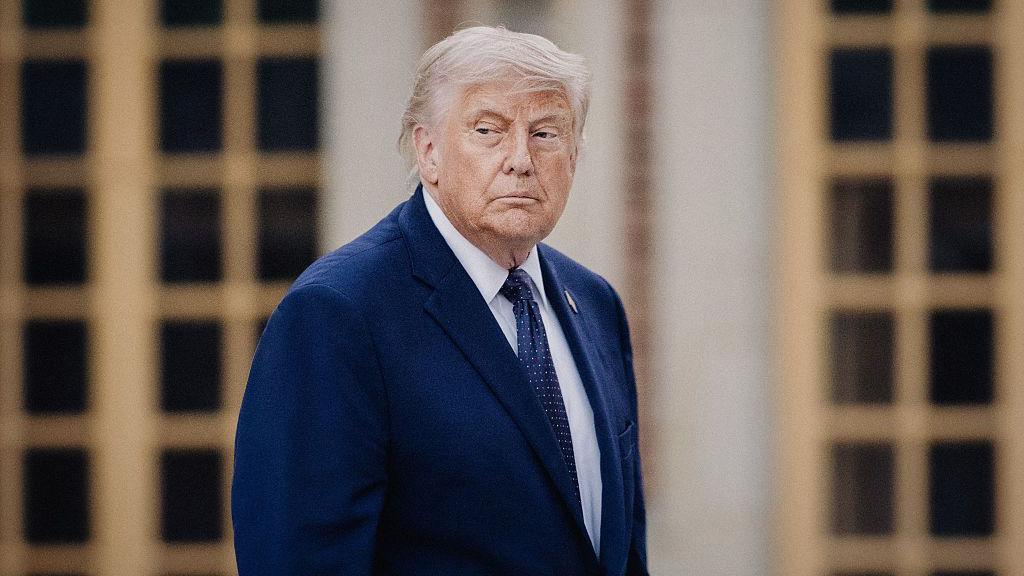
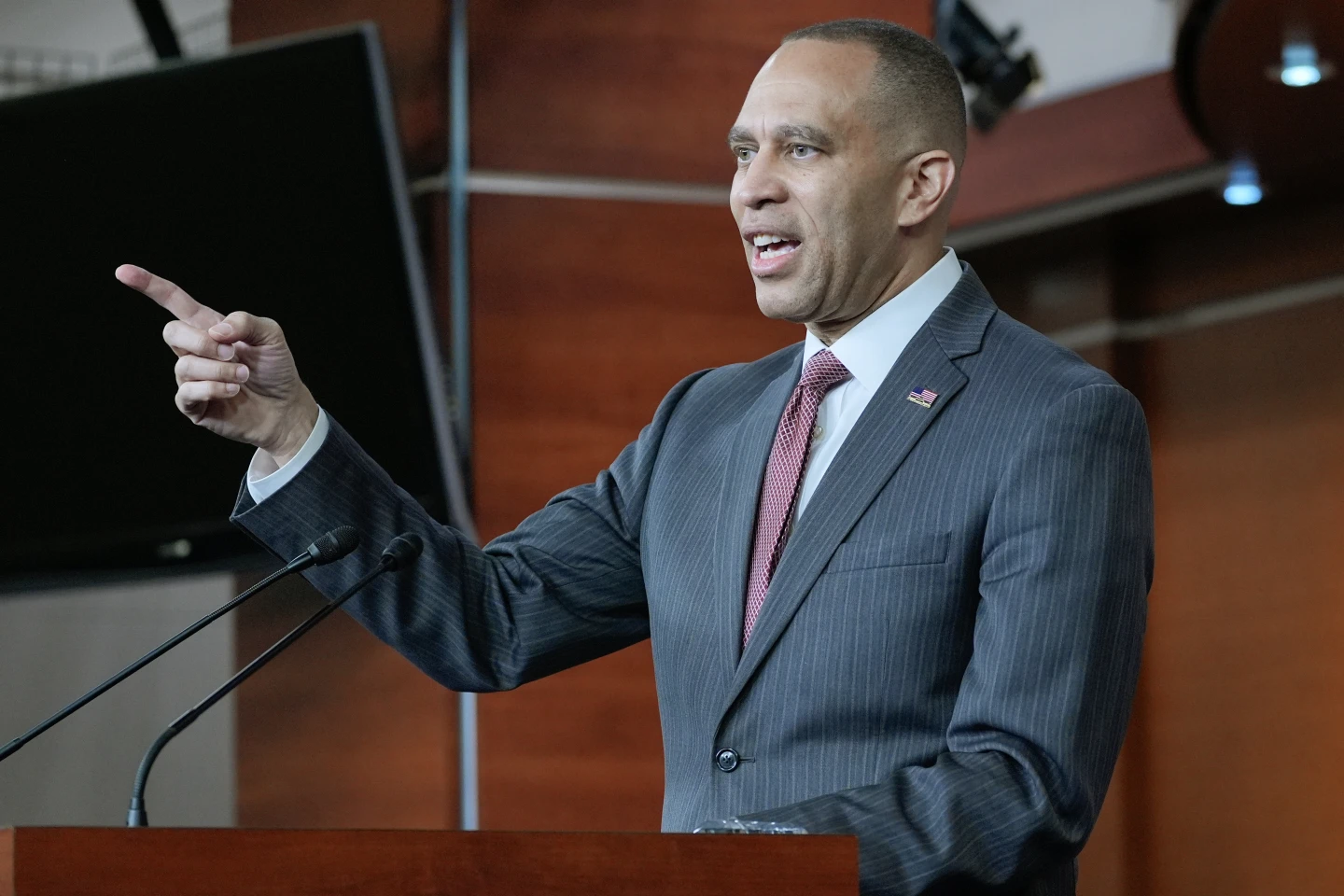
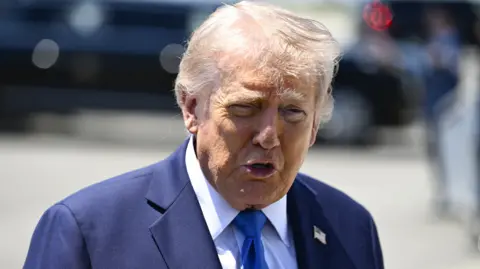
A conversation on Friday between Fox Business finance commentator Larry Kudlow and Kevin Hassett, the episode director of the National Economic Council, turned into a debate. Hassett claimed that inflation was “on a deep downward dive” if you exclude Democratic‑ruled states, while experts say the data tells a different story.
Fact check: Regional inflation figures show high rates across all nine Census Bureau areas, not just the so‑called blue states. The Pacific region—comprising California, Washington, Oregon, Hawaii, and Alaska—reported a 3.5 % increase in April, 0.3 % below the national average. In contrast, the East South Central region (Mississippi, Alabama, Kentucky, Tennessee) recorded a 4.5 % rise, well above the national average.
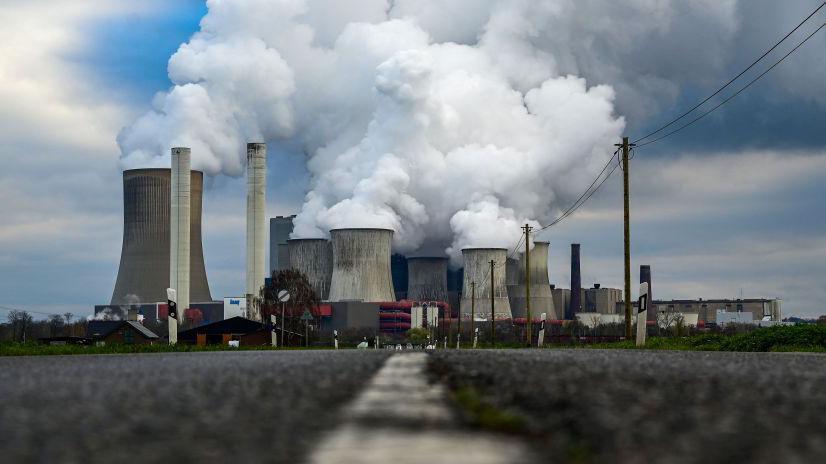
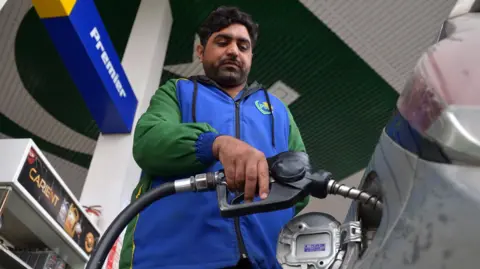
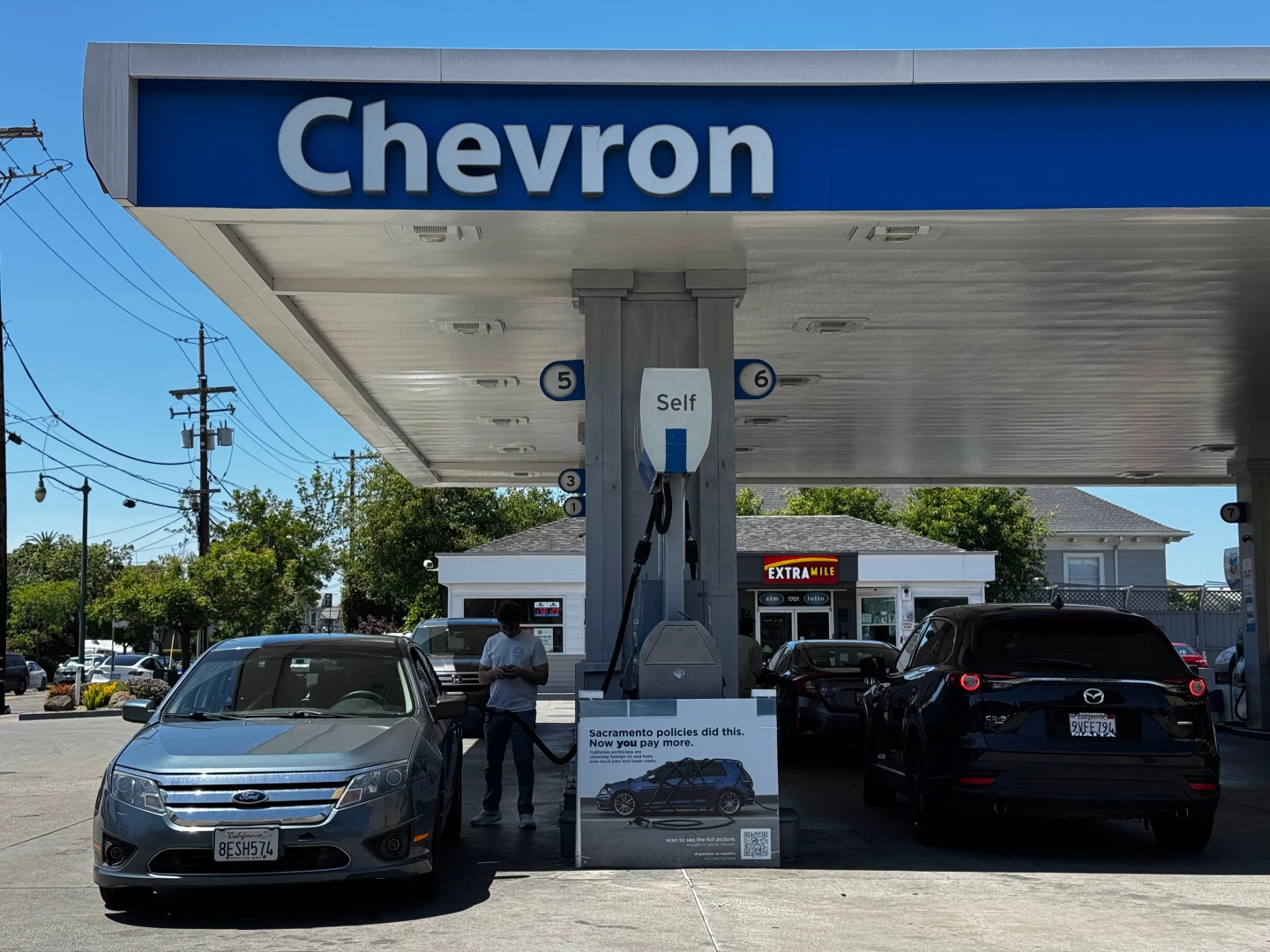
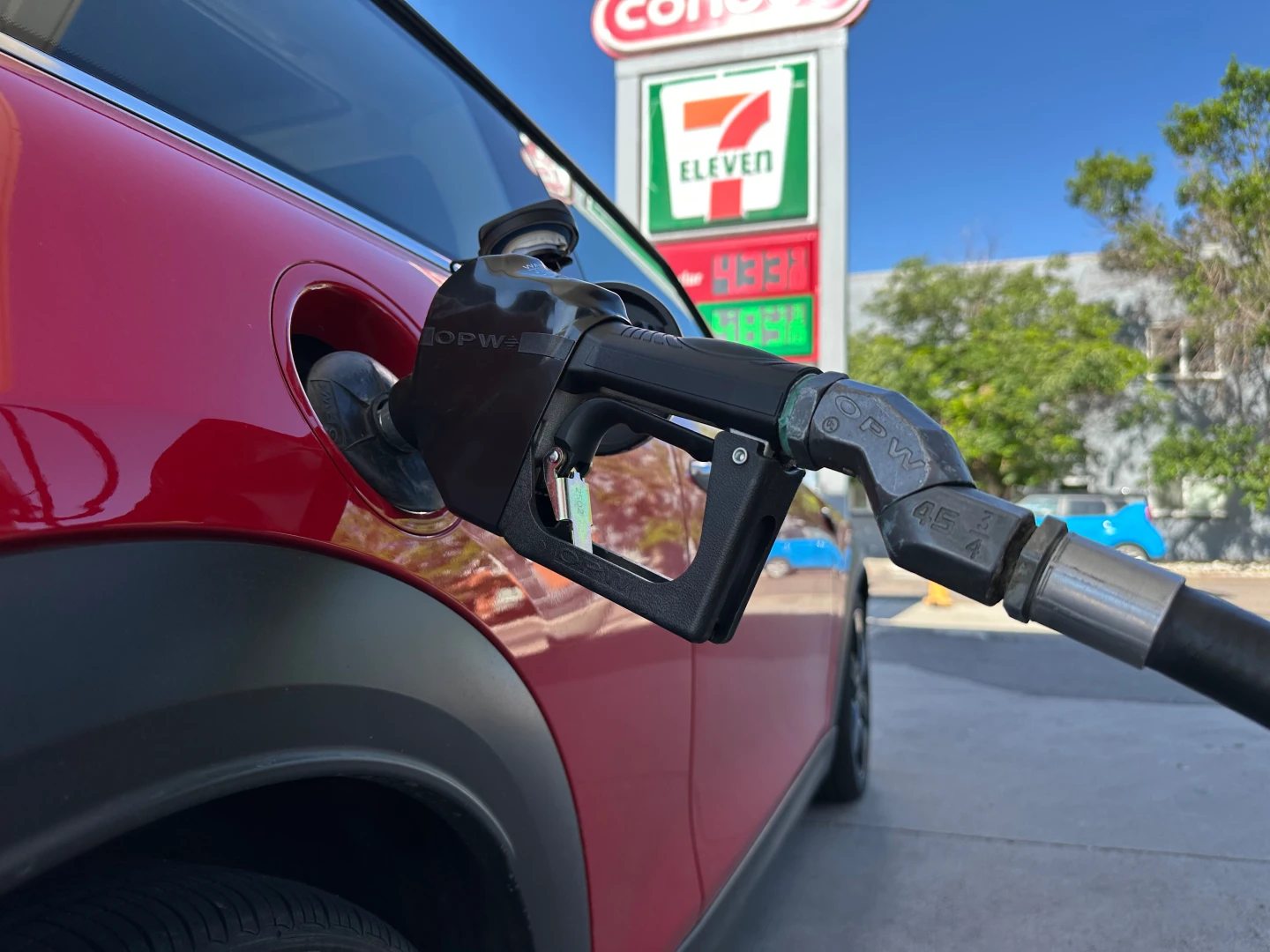
Gasoline is a major driver. Federal Highway Administration data and AAA reports indicate that gas prices surged 40 % nationwide after the Iran‑war began late February. In Texas, prices jumped 36 % from a year earlier; in California, the jump was 26 %. These increases affect shipping costs and, in turn, grocery prices. Meanwhile, clothing costs rose sharply, partly reflecting tariffs imposed by the Trump administration.
Hassett’s claim about higher inflation in blue states relies on a White House Council of Economic Advisers report based on data from last November, before the gasoline surge. The report’s regional figures showed modestly higher inflation in Democratic states, but that picture has changed dramatically in the past year.
Misleading measures: Core CPI is often used to exclude volatile food and energy prices. It rose to 2.8 % in April from 2.5 % in January. Similarly, the Federal Reserve’s preferred PCE index shows core inflation at 3.3 % in April. Neither figure indicates a rapid decline.
The trimmed–mean, a less mainstream measure used by some economists, does show a slight dip from 2.5 % to 2.3 % for the PCE, but Texas and other red states still experience high inflation, and the trimmed mean can be misleading during energy‑price surges.
Key takeaway: Inflation is not confined to blue states. While the cost of living in Democratic‑ruled states tends to be higher overall, current inflation spikes reflect nationwide gasoline and shipping waves that affect every region. Core and trimmed‑mean metrics do not undermine the headline inflation level, which remains above the 2 % Fed target.
Find AP Fact Checks here: https://apnews.com/APFactCheck.
}