Ukraine has struck one of Russia’s largest oil terminals in St. Petersburg, cyber‑security analysts say, a move that could impair Moscow’s war‑financing capacity.
President Volodymyr Zelensky announced the attack on Saturday, describing the facility as a key revenue generator for the Russian war machine and saying it was part of a new wave of long‑range drone strikes on critical energy infrastructure.
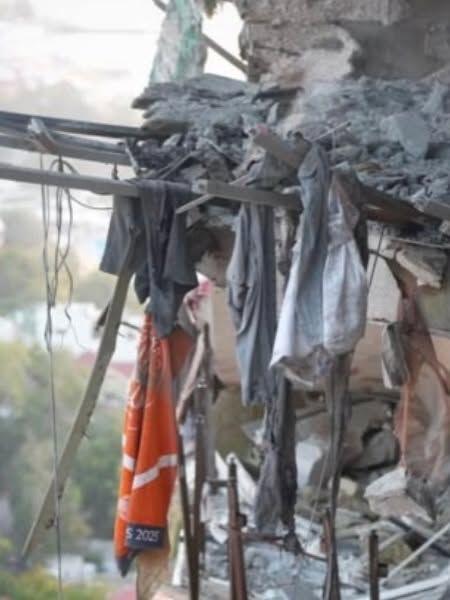
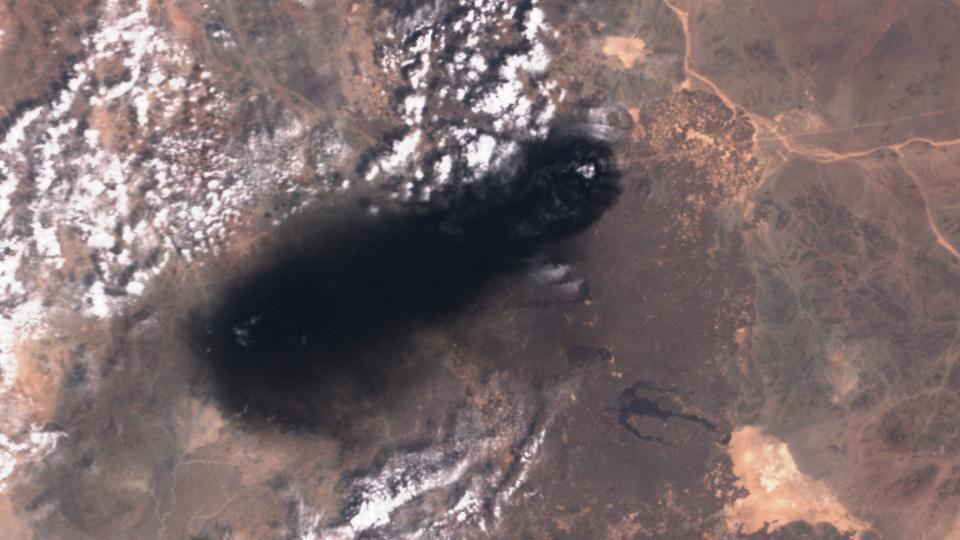
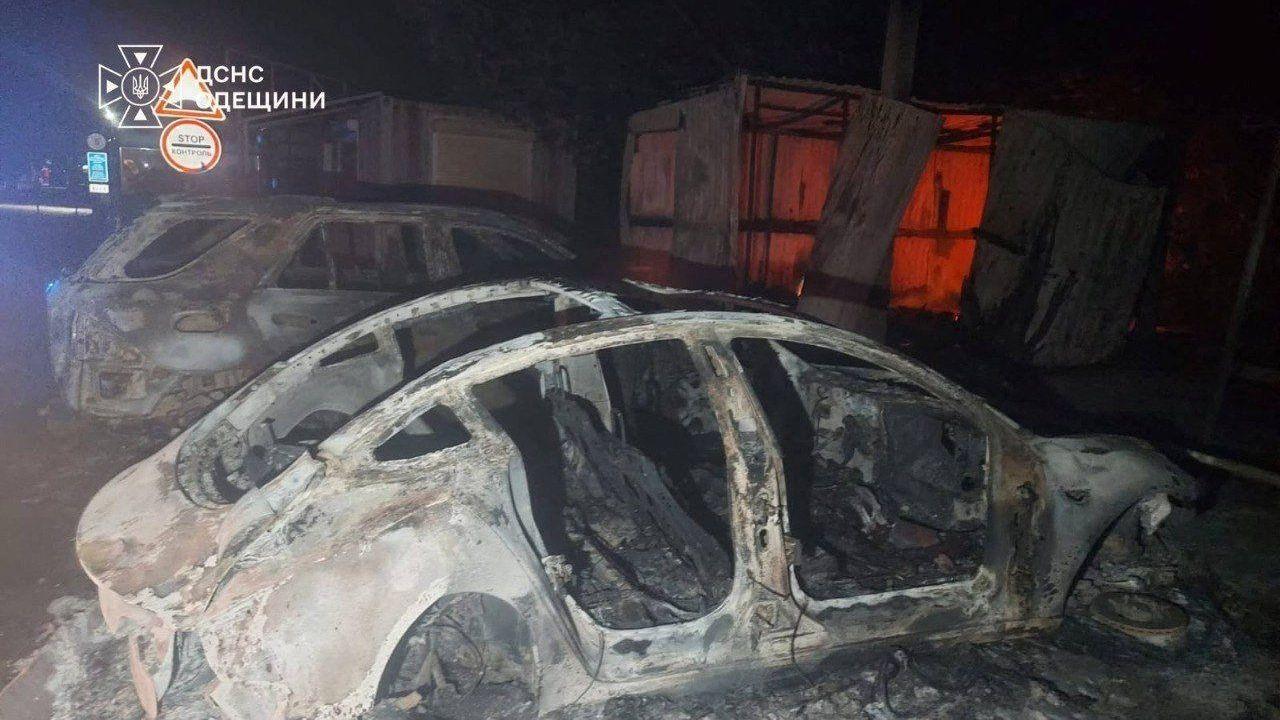
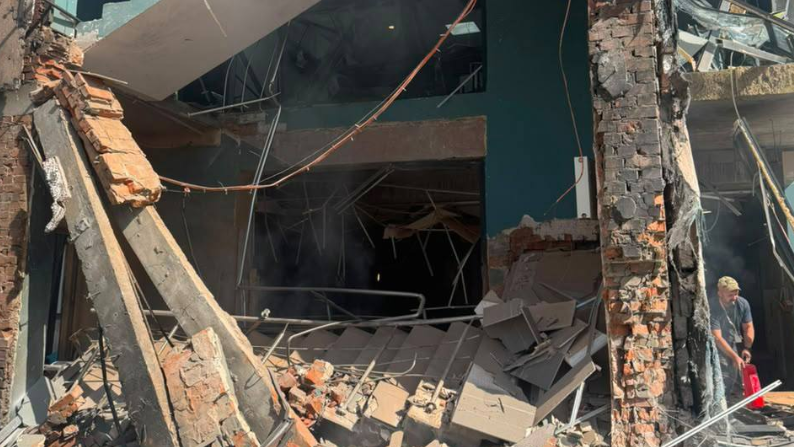
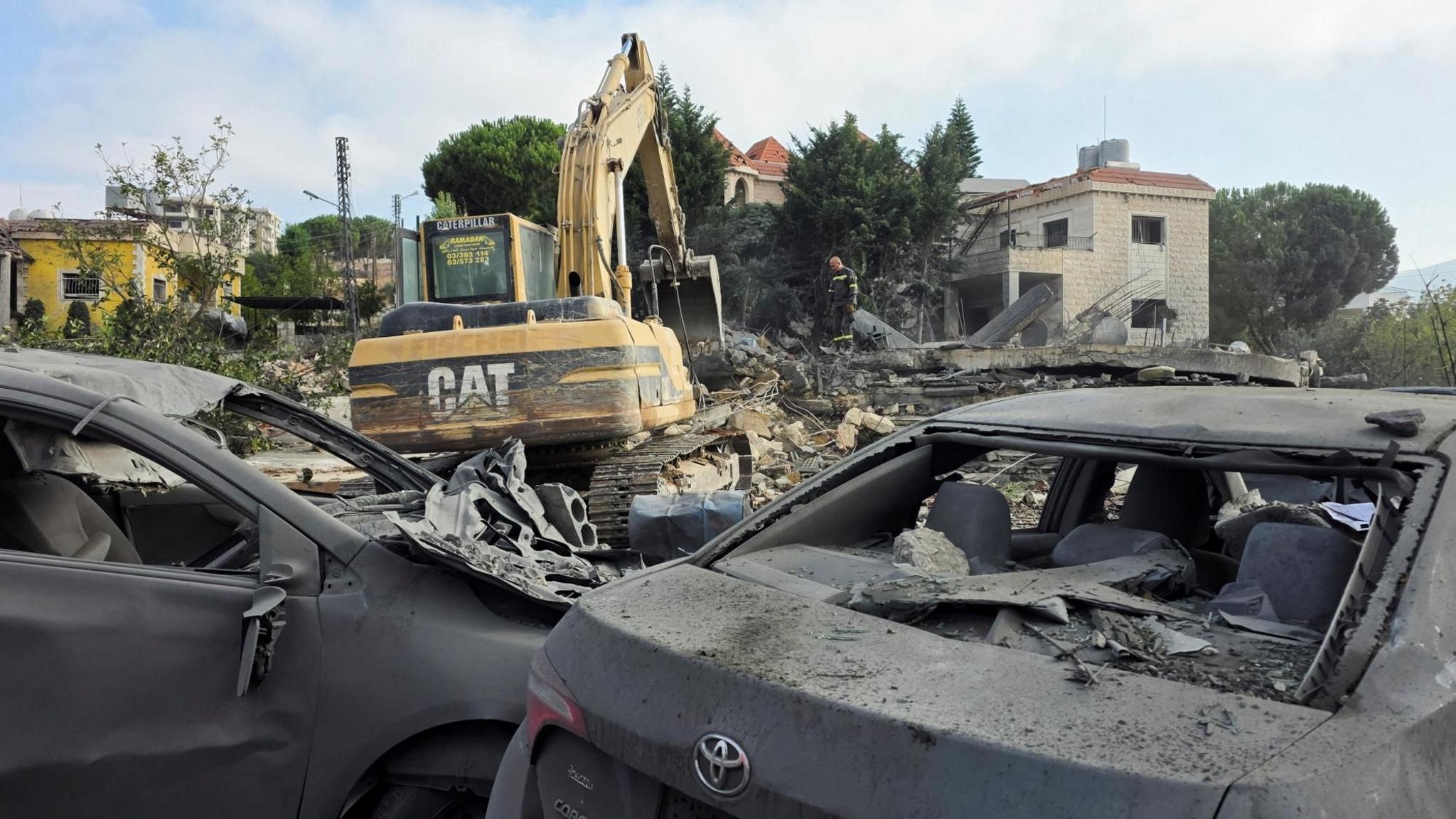
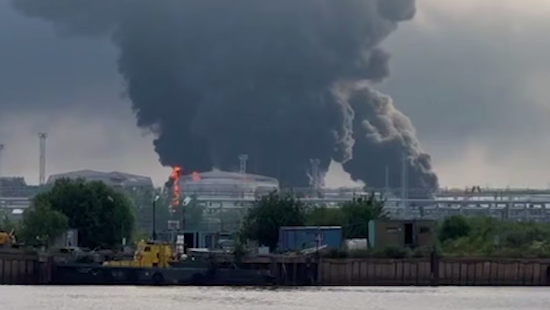
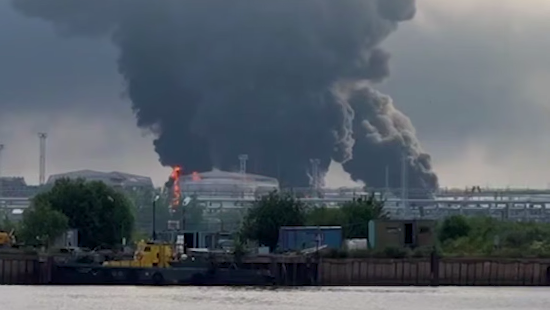
The terminal, which processes about 12.5 million tonnes of petroleum products a year, was hit by a drone that burst in a column of black smoke. Images released by Ukrainian officials show the blast and crews evacuating the site, although no casualties were reported.
St. Petersburg Governor Aleksandr Beglov confirmed that the oil terminal was hit but added that 72 Ukrainian drones had been shot down while attacking the western Moscow‑controlled Leningrad region.
Meanwhile, Russian President Vladimir Putin admitted that fuel shortages in the country have in part been caused by Ukrainian attacks, a rare concession amid a campaign of denial. He signed a bill last week aimed at boosting domestic fuel supplies, though critics see it as a thin effort to quell public discontent.
The Ukrainian military also targeted the Kronstadt naval base, a key stronghold of the Russian Baltic Fleet, according to the Defence Minister’s statements.
Amid the bombings, Ukraine insists that the eastern town of Kostyantynivka remains under its control, contradicting earlier Russian claims. The dispute over that supply‑line town is a flashpoint ahead of the NATO summit in Turkey next week, where questions of military strength and diplomatic solutions will be on the agenda.
In the days that follow, Russian defence officials have vowed to respond to increased Ukrainian strikes on civilian facilities, while Ukrainian forces continue to explore their drone‑strike capabilities. The incident adds a new layer to an already complex and brutal conflict that has already escalated to the level of a proxy war between the West and Moscow.
Additional reporting by BBC diplomatic correspondent James Landale in Moscow.