
In brief
The South Korean government's Ministry of Employment and Labor has disqualified K-pop idols from worker status, rejecting workplace harassment claims by members of NewJeans, igniting debates on the harsh realities of the entertainment industry.
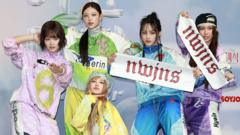
The K-pop sensation NewJeans, known for their record-breaking album sales and global acclaim, face a significant controversy as South Korea's government stipulates that celebrities are not classified as workers under existing labor laws. The Ministry of Employment and Labor made this announcement following claims of workplace harassment involving member Hanni, causing widespread backlash and sparking discussions on the treatment of artists in the high-stakes entertainment realm.Despite their immense popularity, including recognition as one of the top-selling girl groups globally, the ruling means that members like Hanni and her bandmates lack the rights and protections afforded to standard employees. This outcome has drawn skepticism and criticism, as the K-pop industry is notoriously known for its demanding schedules, emotional toll, and fierce competition, often putting includes young performers at risk of exploitation. The issue escalated earlier this month when Hanni, aged 20, alongside her group, voiced concerns regarding their treatment during a YouTube livestream. In their now-deleted video, they shed light on what they described as harassment and mistreatment by their record company, Ador, and expressed feeling unwanted and disrespected. Hanni’s statements included an intention to testify about bullying within the music industry, leading to outcries among fans who subsequently petitioned the government.Despite these claims, the labor ministry contended that the nature of the contracts signed by entertainers like Hanni designates them as independent contractors rather than employees. According to expert analysis, this classification stems from the flexible and often profit-sharing nature of their incomes. “Individuals must meet the criteria under the Labour Standards Act... to be considered workers, including fixed work hours under direct supervision,” stated Chunghwan Choi, a legal expert from Yulchon law firm.The troubling implications of this ruling have officially underscored calls for reform within the K-pop sector. Critics argue that without adequate labor protections and the absence of workers' rights frameworks, exploitation remains rampant. CedarBough Saeji, an academic specializing in Korean studies, remarked on the rigorous demands placed on K-pop idols, highlighting that their work can often lead to severe mental and physical exhaustion.Currently, there is no legislation granting specific protections to artists in South Korea, leading experts to call for the establishment of laws akin to the Talent Agency Act in the United States, which offers guidance and protections against unfair contracts in the entertainment industry. However, as noted by Choi, discussions of such reforms are still in preliminary stages and no concrete actions have materialized yet.In support of the NewJeans members, fans have taken to social media under the hashtag "IdolsAreWorkers," advocating for improved conditions and redefining the status of artists within the legal framework. While the government’s ruling was based on legal interpretations, it has reaffirmed the urgent need for system-wide changes in the treatment of idols within a fiercely competitive, high-pressure industry such as K-pop.

