
In brief
New satellite images reveal Israel's preparation of sites in Gaza for controversial humanitarian aid distribution centers under alleged military oversight.
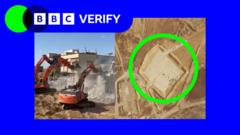
Israel's recent construction of aid distribution sites in Gaza has ignited controversy, as humanitarian organizations oppose the plan, calling it militarized and restrictive. The UN warns of a looming famine for Gaza's inhabitants, exacerbated by a blockade that has curbed essential supplies. Israel is advancing the establishment of multiple aid distribution centers within Gaza, as indicated by recent satellite imagery. The initiative, which comes amid rising tensions and accusations of aid mismanagement, has encountered significant backlash from various humanitarian organizations and the United Nations. In March, the Israeli government halted food and medical aid deliveries to Gaza, a decision intended to pressure Hamas for the release of hostages. Israeli officials claim Hamas has been mishandling humanitarian supplies, an assertion that Hamas has vehemently denied. The UN highlighted the dire situation, stating that over 2.1 million residents in Gaza face critical shortages of food, medicine, and fuel, with a recent assessment warning of impending famine conditions.Last week, the U.S. government announced plans to support the establishment of these new aid centers, which are to be operated by private firms with oversight from both security contractors and Israeli military forces. Notably, images show extensive land clearing in southern and central Gaza aimed at facilitating this new framework. Sources familiar with the plans report that at least four centers will be established in southern Gaza, with one additional center planned for the northern region near the Netzarim Corridor.The Gaza Humanitarian Foundation has stated intentions to provide essential supplies such as food, water, and hygiene kits to approximately 1.2 million people, falling short of the total population’s needs. They have urged for immediate delivery of aid through traditional channels until these new centers become operational, and have also called for the inclusion of northern Gaza in the aid plan—a request not initially part of the arrangement.However, UN agencies have expressed firm opposition to the newly proposed plan, arguing that it fundamentally undermines accepted humanitarian principles. A representative from the UN’s Office for the Co-ordination of Humanitarian Affairs criticized Israel for utilizing humanitarian aid as leverage in military objectives. “This arrangement would exclude vast populations from receiving necessary assistance, particularly the most vulnerable, who cannot easily access aid,” she explained.Bushra Khalidi from Oxfam condemned the initiative, labeling it a façade that will not resolve the ongoing issue of food scarcity stemming from the blockade. She called for an immediate lifting of the siege and unrestricted access for humanitarian organizations.Satellite analyses show significant developments at one of the identified sites in southwestern Gaza, near an Israeli Defense Forces (IDF) base. The construction includes a large staging area and protective structures likely designed to facilitate secure distribution. Observers note the proximity of some sites to existing military installations, suggesting a controlled environment for aid operations.Despite the Israeli government’s lack of public comments regarding the logistics, the IDF maintains that its activities in Gaza adhere to international law. Meanwhile, ongoing operations at crossings, such as Kerem Shalom, show continued expansions geared towards improved aid logistics, further complicating the delivery of necessary supplies amidst escalating hostilities. The humanitarian crisis in Gaza persists under these developments, with the UN reiterating its obligations in accordance with international law to meet the basic needs of the population.

