
In brief
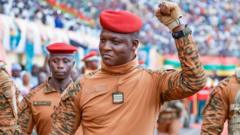
As the charismatic leader of Burkina Faso, Traoré has captivated a youthful audience through a blend of revolutionary rhetoric and strategic alliances, particularly with Russia, while challenging Western influence in Africa.
---In the heart of West Africa, Burkina Faso's military leader, Capt. Ibrahim Traoré, is emerging as a potent symbol of pan-Africanist sentiment, capturing the attention and support of many across the continent. At just 37, Traoré has cultivated an image reminiscent of iconic leaders like Thomas Sankara, who is celebrated for his commitment to self-sufficiency and anti-imperialism. Since taking power in a coup in 2022, Traoré has positioned himself against what he calls Western imperialism, prioritizing the interests of Burkina Faso and advocating for a dramatic shift in foreign relations, notably aligning with Russia and distancing from former colonial power France.Experts note that Traoré's growing popularity reflects a broader disillusionment with Western-style democracy in many African nations, as young populations seek new leadership models that promise genuine change and economic opportunity. His initiatives have included the nationalization of gold resources and the establishment of a state-owned mining company, aimed at redistributing wealth and enhancing local capacity.Supporters laud his anti-colonial rhetoric, which resonates strongly amid widespread feelings of exploitation and discord across the continent. His speeches, particularly at high-profile events such as the Russia-Africa summit, have garnered widespread attention, coming to symbolize a broader rejection of foreign interference in African affairs. Despite challenges, including an ongoing Islamist insurgency and human rights concerns, Traoré's personal charm and adept use of social media have enhanced his image, making him relatable to those who have faced similar struggles against colonialism and media narratives.However, Western leaders, notably French President Emmanuel Macron, criticize Traoré's leadership as part of a disturbing trend of neo-imperialist alliances. Relations with France and the United States remain tense, posing potential future challenges for his governance. While his supporters celebrate his vision for a "free and dignified Africa," critics heed warnings about the democratic and developmental implications of his authoritarian rule.Ultimately, the legacy of Capt. Traoré remains uncertain, with observers weighing the impact of his youthful leadership style against the traditional expectations of governance and accountability in a region marked by political turbulence and historic governance challenges. As he navigates the intricate landscape of African politics, Traoré's journey could either affirm or redefine what effective leadership looks like in modern Africa.

