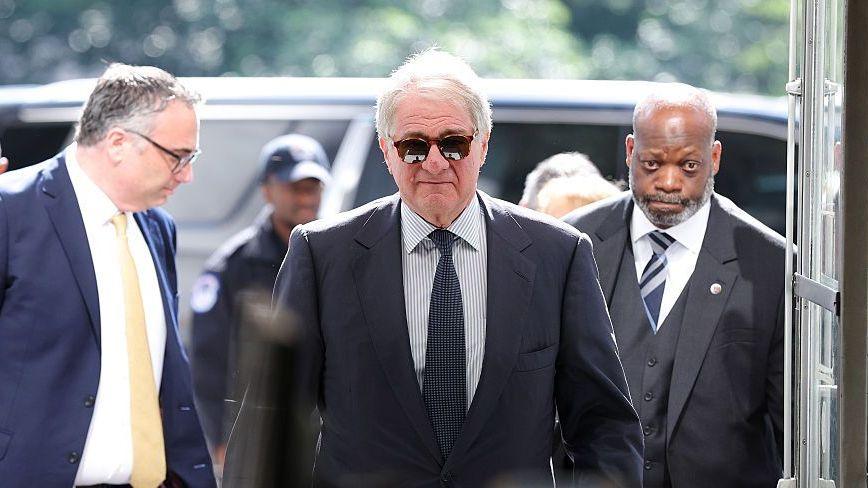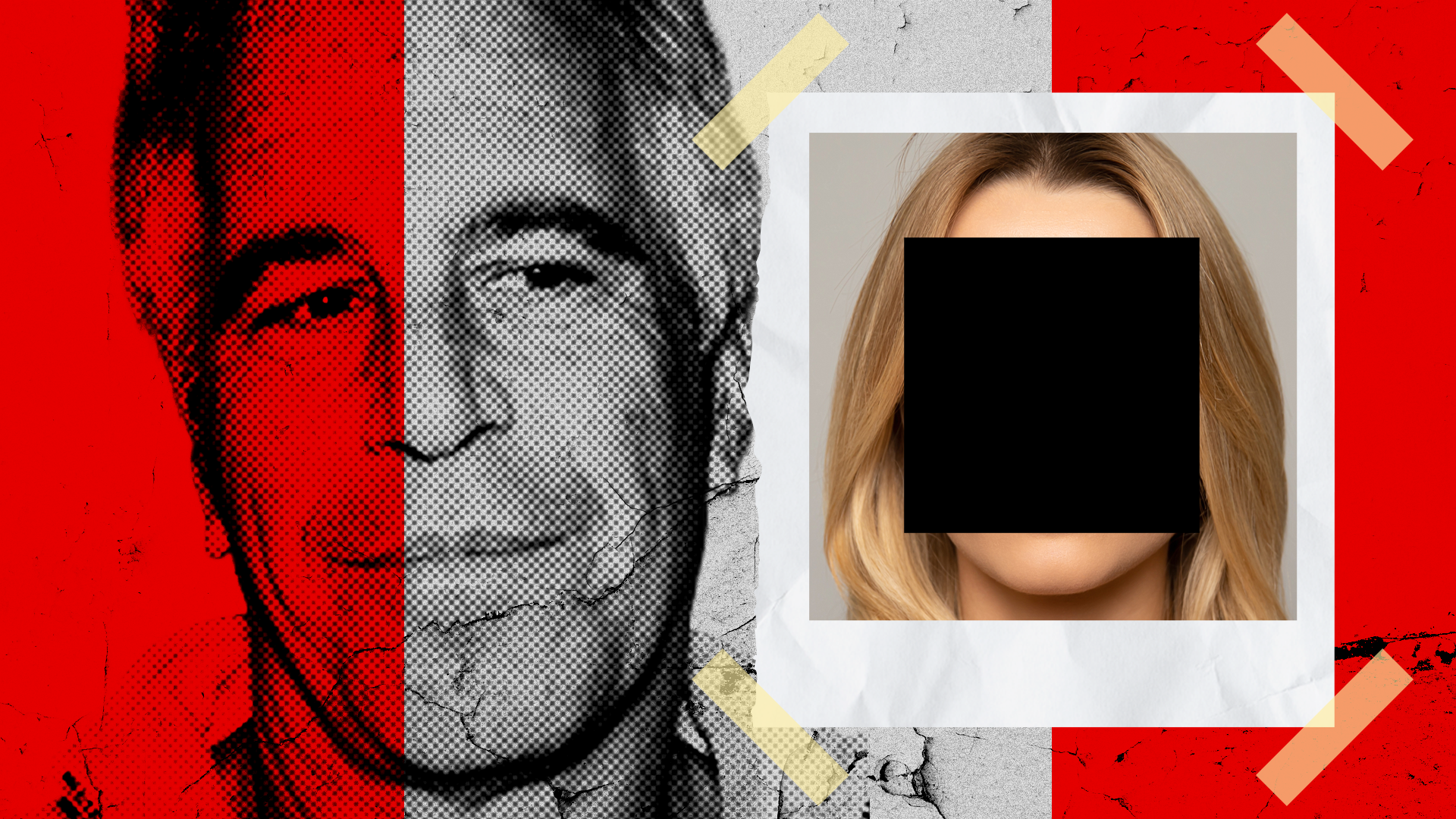
In July 2026, a former Wall Street managing director named Simon Andriesz revealed that he had uncovered email exchanges between U.S. Commerce Secretary Howard Lutnick and the late financier Jeffrey Epstein hidden within the 3.5 million documents released in the Epstein files.
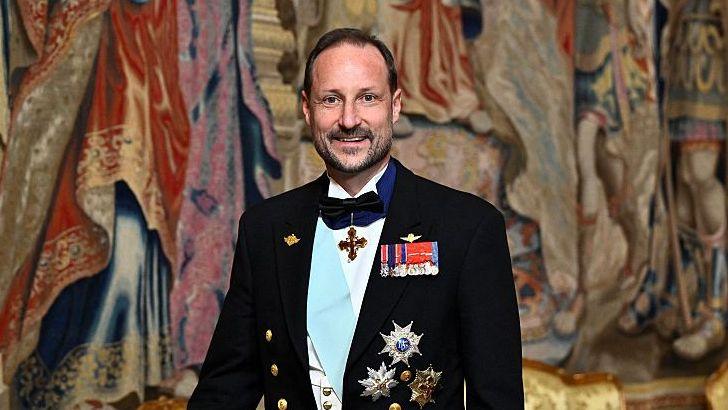
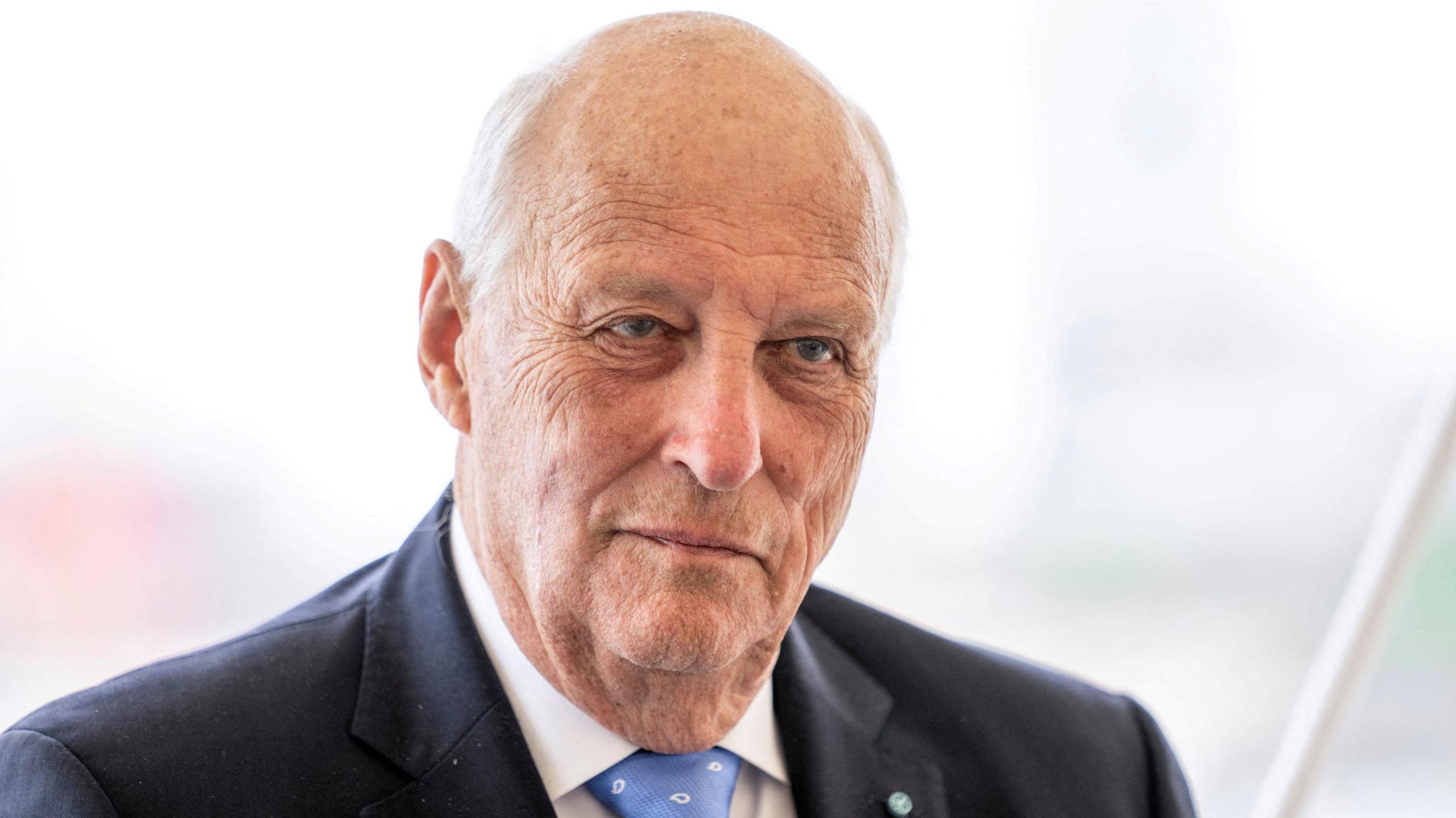
The email chain, dating from 2018, shows Lutnick and Epstein discussing a digital‐advertising start‑up, Adfin, in which both parties had invested. Earlier correspondence from 2013 reportedly outlines a plan for Cantor Fitzgerald to “buy a prince” – a scheme that would have involved Prince Andrew’s network and a £1 million loan to a firm controlled by the former king‑in‑practise.
Andriesz forwarded the evidence to the House Oversight Committee, the U.S. Congress’s main investigatory body, before Commerce Secretary Lutnick was scheduled to testify in May. Twenty‑two members of the committee sent a letter demanding Lutnick’s resignation, accusing him of lying about his knowledge of Epstein’s investment.
Lutnick denied any wrongdoing, stating that he had only recently learned in 2025 that Epstein had been an investor in Adfin. He argued that he had applied himself in a professional manner and the Commerce Department later confirmed that “there is no evidence of wrongdoing or legitimate cause for concern.”
Despite the assertion of no culpability, the case underscores the heightened scrutiny that high‑ranking officials face when they are linked to Epstein’s network, and it raises questions about the effectiveness of internal whistleblower safeguards within firms such as Cantor Fitzgerald and BGC Partners.
As the story unfolds, stakeholders continue to debate whether Lutnick’s relationship with Epstein constitutes a breach of public trust or merely an inadvertent business connection. The investigation remains a pivotal example of how leaked documents can challenge the reputations of government officials and the companies they represent.