
In brief
A 22-year-old survivor grapples with the anguish of loss as the internet turns hostile, illustrating a troubling trend in societal attitudes toward disaster victims in South Korea.
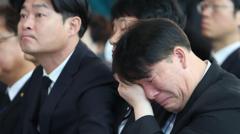
In December, a plane crash in South Korea claimed the lives of 179 passengers, leaving families like that of Park Guen-woo shattered. This 22-year-old is navigating the harrowing loss of both parents when he encountered a deluge of online hate, cruel jokes, and conspiracy theories asserting that he and others like him were "fake victims." The Jeju Air flight, returning from Bangkok, tragically crash-landed at Muan International Airport on December 29, leading to an immediate outcry from the bereaved families about the subsequent online abuse they faced.In a swift response to the malicious activity, police arrested eight individuals linked to the derogatory online posts. These comments falsely claimed that families of the victims were elated about receiving compensation or were merely fabricating their losses. Authorities have removed approximately 427 of these posts, but such incidents expose an ongoing cycle of online hostility directed at grieving families in South Korea.Experts highlight a concerning culture of economic envy, rising from financial struggles and toxic competition within the country. This was not the first incident; similar harassment followed the 2022 Halloween crowd crush and the 2014 Sewol ferry disaster, both of which claimed numerous lives. In each instance, bereaved families became embroiled in hate speech, with accusations that they undeservingly benefitted from state compensation.Professor Koo Jeong-woo from Sungkyunkwan University noted that the perception of unfair compensation can trigger resentment among those struggling financially, exacerbating public backlash against victim families. “If you belittle someone’s suffering, it makes it easier to elevate oneself,” he explained, underscoring the societal tendency to dehumanize the vulnerable in the face of personal hardship.Park Guen-woo experienced firsthand the painful impact of this phenomenon, finding himself labeled as someone exploiting tragedy. “We’re not here to make money,” he lamented, countering the notion that victims could feel joy amidst their loss. This sentiment was echoed by Park Han-shin, who lost a brother in the crash and faced accusations of being a political fraud as well.Amidst the chaos of the crash and its political ramifications—the incident happening during a politically charged time in South Korea—victims' families like Park Han-shin's have struggled to seek truth while being villainized online. His daughter defended him against the tide of misinformation, voicing concern for the psychological damage such allegations can inflict.Experts suggest that in addressing hate speech, social media companies must establish clearer guidelines and promote reporting mechanisms for users. Moreover, fostering empathy through shared identities could help bridge the gap within a society that often perceives itself in a zero-sum game of resources and respect.As the bereaved families mourn their profound losses, the societal responsibility extends beyond feeling sympathy; it calls for a collective commitment to restore dignity to those who suffer and to create an atmosphere where empathy triumphs over hate.

