In brief
The Grand Inga Dam promises to be a monumental energy project for Africa, but poor governance, lack of funding, and environmental issues cast doubt on its future, with construction stalled and major investors withdrawing.
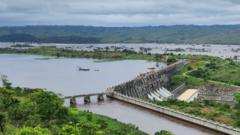
The Grand Inga Dam project, touted as the world’s largest hydropower endeavor, continues to hang in limbo, highlighting a complex landscape of opportunity and obstruction in the Democratic Republic of Congo (DRC). Initially conceived to harness the powerful flows of the Congo River, the dam—once projected to far exceed the generation capacity of China's Three Gorges—remains stagnant years after ambitious plans were put forth.Since its inception, major international financial partners have circled the project like moths to a flame, yet the anticipated construction dates have repeatedly slipped. Despite the DRC government’s assertions that plans are progressing, many observers are skeptical, noting a history of poor governance and environmental ramifications that could arise from such a massive venture. Recent turmoil has been exacerbated by the withdrawal of the Chinese Three Gorges Corporation, signalling critical strain in the project's financial framework.Given the staggering estimated cost of $80 billion (£63 billion) amid a nation struggling with economic constraints, there’s mounting concern that the project may never leave the realm of dreams. Sub-Saharan Africa remains in urgent need of energy solutions, with an estimated 600 million people lacking access to electricity, yet the feasibility of harnessing such potential remains a contentious issue.Early plans were made in the 2000s under a collective known as Westcor, aiming to construct additional dams alongside the existing Inga 1 and Inga 2, built in the 1970s and 1980s. These initial dams have been rendered ineffective over time due to lack of funds for maintenance, yet hopes persisted for a reinvigorated energy landscape through the construction of Inga 3 and subsequent projects.Recent comments from the World Bank reflect a slight resurgence of optimism as new talks have recommenced following a lull in collaboration. Their return to discussions, after severing ties in 2016 over strategic differences, has sparked renewed interest in the possibility of moving forward, especially under the new leadership of President Félix Tshisekedi. However, tangible progress continues to remain elusive.Perimeter challenges surround the project’s potential benefits, with claims that the energy generated may largely cater to the needs of neighboring countries rather than the local population, raising alarms among civil society in the region. Critics argue that unless the DRC government ensures the benefits of the Grand Inga translate into increased access for the Congolese people, a huge opportunity will have been wasted.Adding to the complexity, environmental concerns are growing regarding the potential displacement of over 37,000 residents and harm to local ecosystems. Stakeholders are under heightened scrutiny, not only for the moral implications of such displacements but also the observable damage previous dam constructions have caused to biodiversity.The road ahead for the Grand Inga Dam is fraught with uncertainty, and while discussions for collaboration on international block investments continue, the project’s advancement depends on ensuring a united front among stakeholders. Without cooperation, financial backing, and a clear vision that prioritizes both the local populace and environmental considerations, the Grand Inga may remain a grand idea, overshadowed by its myriad of challenges.