
In brief
In a pivotal moment for global diplomacy, South Africa's leadership of the G20 is marked by its ongoing struggle to unite international powers, especially in light of the US's absence.
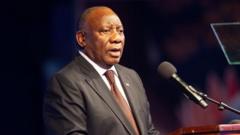
South Africa's President, Cyril Ramaphosa, addressed G20 foreign ministers in Johannesburg, highlighting the necessity for international cooperation and adherence to multilateralism as essential tactics to combat escalating global challenges such as conflict, climate change, and intolerance. Ramaphosa's remarks come against a backdrop of stark tensions with the United States, where the "America First" doctrine under the Trump administration has led to significant diplomatic strains.US Secretary of State Marco Rubio opted out of the meeting, critiquing South Africa's actions and asserting that his role primarily revolves around promoting American interests. Treasury Secretary Scott Bessent also announced his absence, citing prior commitments in Washington. These decisions have left the US represented by a minor official from its South African embassy during crucial discussions that gather prominent nations which make up over 80% of the world economy.As the first African nation to assume the G20 presidency, South Africa aims to propel the voices of developing countries in dialogues involving the world’s affluent states. Ramaphosa’s opening remarks underscored the disarray within major powers, noting the absence of consensus on vital world issues, a sentiment echoed by geopolitical analysts observing the shifting dynamics of international relations.The relations between the US and South Africa have deteriorated since Trump assumed office, with aid cuts and critical remarks regarding South Africa’s domestic policies deepening the rift. Trump’s administration has called out South Africa over alleged injustices towards the Afrikaner community, alongside vocal opposition to South Africa's actions at the International Court of Justice.In a pointed statement on social media, Rubio condemned South Africa’s focus on advocating for equity and sustainability, asserting that such aims stray from advancing American priorities.With South Africa holding the G20 presidency until 2025, the effectiveness of its leadership will undoubtedly be tested against the refusal of key players such as the US to engage constructively in dialogue meant to address pressing global issues.


