In brief
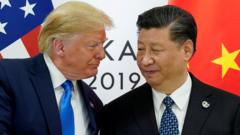
President Xi Jinping may view the current uncertainties created by Trump’s trade policies as a chance to enhance China’s global power, despite the potential risks tied to the ongoing tension between the U.S. and China.
In a display of measured restraint, China appears to be navigating the turbulent waters of international trade relations as President Trump prepares to impose a 10% tariff on all Chinese goods. With tensions flaring between the U.S. and its North American neighbors, Canada and Mexico, who have announced their own retaliatory tariffs, Beijing remains notably subdued in its response.Historically, when Trump initially initiated tariffs against Chinese imports in 2018, Beijing asserted it was unfazed by a potential trade war. This latest round of tariffs, although impactful, seems to be eliciting a more tempered reaction from the Chinese government. As reports circulate about a potential call between Trump and Xi Jinping, experts suggest that China's restraint is a calculated move designed to avoid inciting public concern over its slowing economy.According to analysts, the 10% tariff may not provide the leverage Trump hopes for, as China's global trade network has become more diversified, reducing its dependence on the U.S. Consequently, economists like Chong Ja Ian from Carnegie China suggest that Beijing may perceive this situation as manageable. This could lead China to opt for a calm stance, aiming to avoid escalating tensions unless it perceives a clear benefit.With Trump’s “America First” policy instigating ripples of uncertainty among U.S. allies, Xi Jinping seems poised to present China as a stable global trade partner. Observers argue that America's loss of credibility internationally could inadvertently enhance China's position, allowing it to capitalize on U.S. withdrawal from various global governing bodies like the World Health Organization (WHO), which have been destabilized by Trump's policies.In his recent engagements, Xi has positioned China as a key player in promoting international cooperation and enhancing global trade relations, particularly in light of the chaotic evolution of U.S. foreign assistance programs. This shift could encourage countries in Asia-Pacific to strengthen ties with China while remaining cautious of its intentions.As the region grapples with rising concerns over China's assertiveness—especially related to Taiwan and activities in the South China Sea—there's a palpable movement towards fostering alliances among nations wary of Beijing's ambitions. Countries like Japan, South Korea, and Australia are reportedly considering trilateral cooperation to balance their economic strategies against China's growing influence.The muted Chinese response to U.S. tariffs, marked by a legal approach through the World Trade Organization (WTO), reflects a tactical pause instead of a concession. In light of past experiences under Trump’s first term, many experts predict a turbulent yet opportunistic future for Sino-American relations, noting that Trump's unpredictability could disrupt the status quo significantly.While caution and strategic maneuvering characterize China's current approach, there is an underlying tension rooted in the perception of a deteriorating relationship with the U.S., leading to speculation over China’s potential responses in the face of ongoing tariff conflicts. As the political landscape evolves, the world's two largest economies must navigate their intertwined fates carefully, with Xi considering ways to engage internationally while eyeing domestic concerns back home.