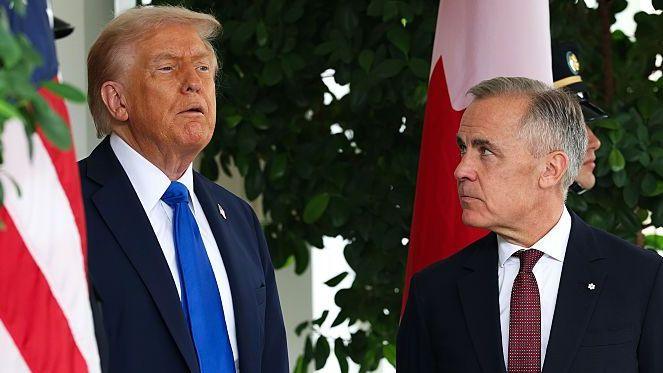
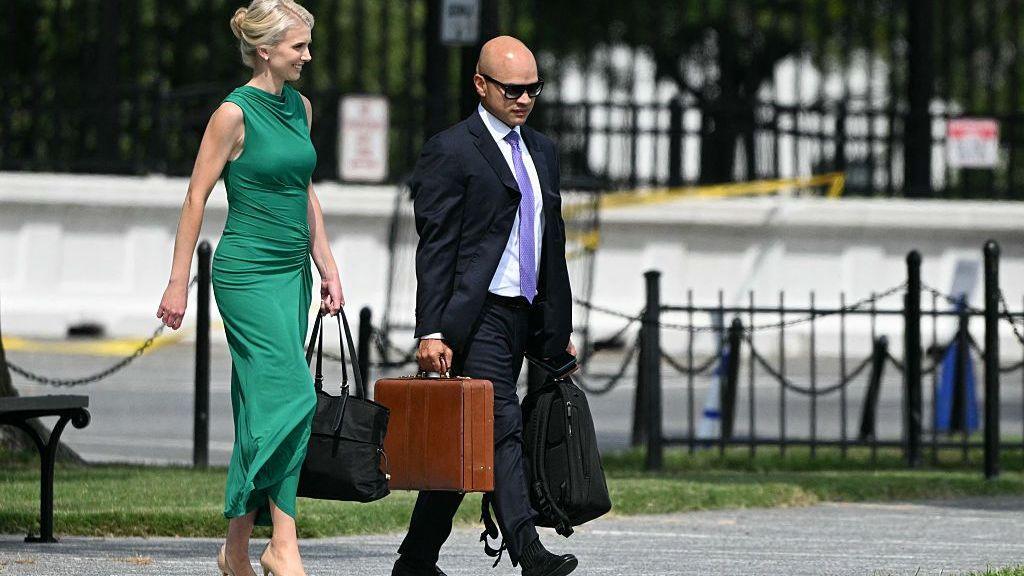
On Monday, Washington’s streets were packed for a day that carried a weight far beyond the state of the capital: the solemn funeral of former Ohio Senator Lindsey Graham turned the city into a backdrop for what could be historic diplomatic meetings.
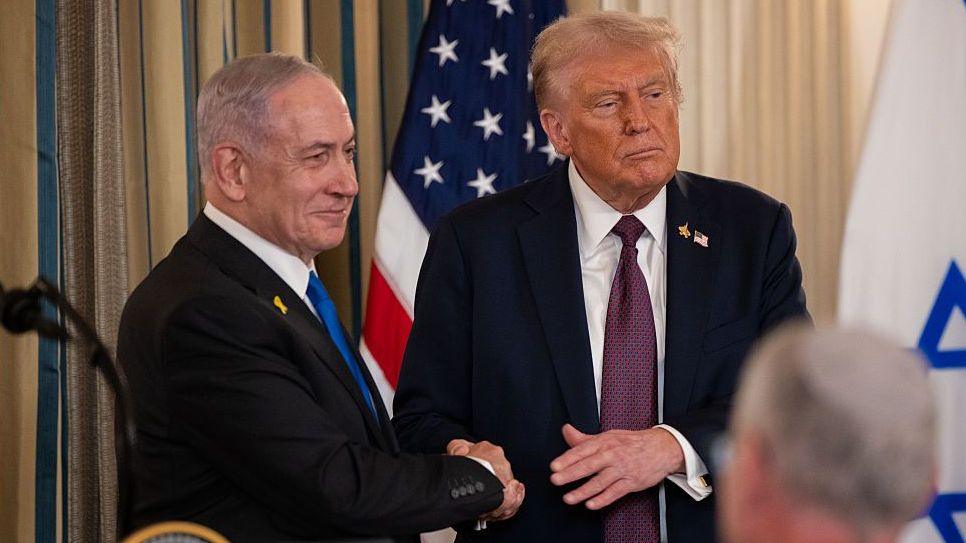
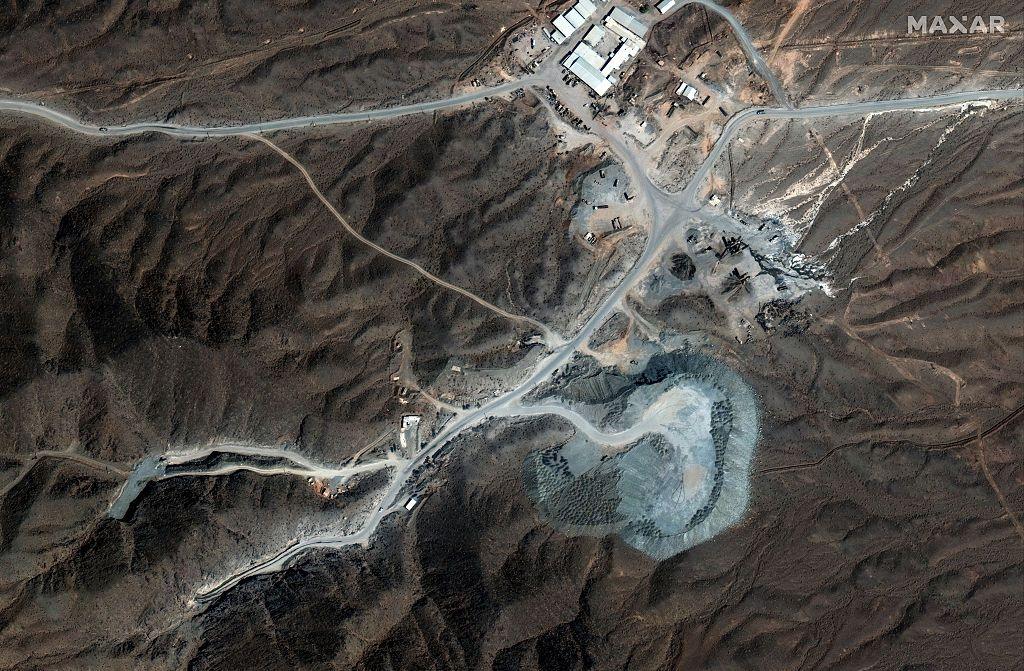
From the ornate windows of the White House, Ukrainian President Volodymyr Zelensky and Israeli Prime Minister Benjamin Netanyahu will hold separate audiences with President Donald Trump—each focusing on a conflict that has drawn stubbornly into American policy. Zelensky will press for continued U.S. support for Ukraine’s war against Russia, while Netanyahu will use his meeting to push for vigor in the fight against a rising Iranian threat that endangers Israeli security.
The timing of the visits is noteworthy: the funeral of Senator Graham—whose long‑standing chops in the Senate have continually shaped U.S. foreign policy—infuses the day with an air of unity among the country’s political movers and shakers. Graham’s influence, especially over foreign aid and arms legislation, has been a unifying platform for the U.S. response to overseas conflicts.
The White House has chosen to keep the details of the discussions under wraps, but observers weigh in that the two meetings carry multifold implications: a boost for Ukraine’s battered defense, a hard‑line stance on Iran’s ballistic ambitions, and potential new U.S. policy directives that could shape the global order for years. Defecting to these complex matters, the Trump administration may simultaneously explore diplomatic diplomacy and strategic military aid, reinforced by the presence of both Zelensky and Netanyahu.
Pressing forward, critics and supporters alike will now watch Washington’s executive to see if the two leaders can carve out a path for constructive U.S. engagement in the eastern and western regions that shoulder systematic political directives to create a more stable world order.