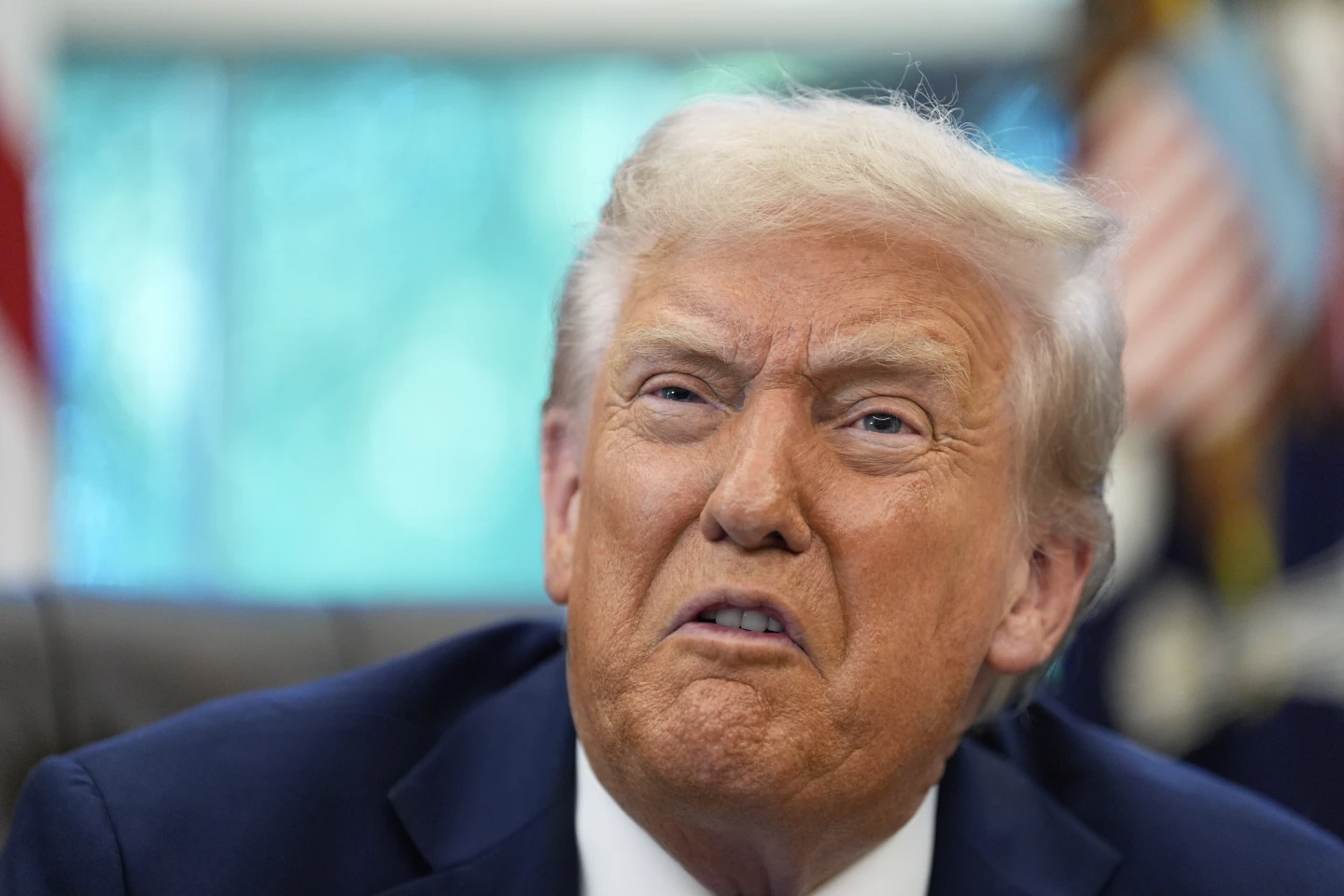
Eight months into his second term, President Donald Trump has escalated his long-standing quest to target those he considers political adversaries, prompting fervent discussions regarding free speech, media censorship, and the potential for politically motivated prosecutions. This weekend, Trump directed Attorney General Pam Bondi to increase legal investigations against his critics, stating “nothing is being done” and further asserting that “JUSTICE MUST BE SERVED, NOW!” His remarks were a direct push for investigations including mortgage fraud claims against New York Attorney General Letitia James and charges against former FBI Director James Comey.
Critics, including Sen. Rand Paul and Sen. Chris Murphy, have voiced serious concerns, with Murphy stating that Trump’s attempts to jail or silence political opponents are “unconstitutional and deeply immoral.” Meanwhile, Senate Democratic Leader Chuck Schumer warned that Trump’s actions threaten to turn the Justice Department into a weapon against his enemies.
In tandem with the push against critics, the Pentagon introduced new media restrictions that require journalists to agree not to report unauthorized information, raising further concerns about media suppression under the guise of national security. Trump's administration, now stocked with loyalists, has led to fears over the two-tiered justice system that some claim favors the president's allies while endangering opponents.
Contributing to the atmosphere of censorship, Jimmy Kimmel's late-night show was indefinitely suspended after a controversial segment, leading to speculation about political influence over media outlets. Trump celebrated this move, further complicated by actions from the Federal Communications Commission, which hinted at potential consequences for Kimmel and ABC, igniting debates over free speech and governmental overreach.
As this political saga unfolds, it remains to be seen how these actions will affect the landscape of American politics and the fundamental freedoms that underpin democratic governance.
Critics, including Sen. Rand Paul and Sen. Chris Murphy, have voiced serious concerns, with Murphy stating that Trump’s attempts to jail or silence political opponents are “unconstitutional and deeply immoral.” Meanwhile, Senate Democratic Leader Chuck Schumer warned that Trump’s actions threaten to turn the Justice Department into a weapon against his enemies.
In tandem with the push against critics, the Pentagon introduced new media restrictions that require journalists to agree not to report unauthorized information, raising further concerns about media suppression under the guise of national security. Trump's administration, now stocked with loyalists, has led to fears over the two-tiered justice system that some claim favors the president's allies while endangering opponents.
Contributing to the atmosphere of censorship, Jimmy Kimmel's late-night show was indefinitely suspended after a controversial segment, leading to speculation about political influence over media outlets. Trump celebrated this move, further complicated by actions from the Federal Communications Commission, which hinted at potential consequences for Kimmel and ABC, igniting debates over free speech and governmental overreach.
As this political saga unfolds, it remains to be seen how these actions will affect the landscape of American politics and the fundamental freedoms that underpin democratic governance.