
In brief
Trump's threats have incited a renewed discussion surrounding Greenland's autonomy and self-determination, prompting a mix of skepticism, resilience, and calls for direct negotiation.
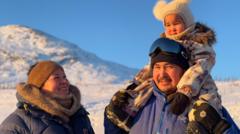
The icy expanse of Greenland is facing an unusual turbulence as the political future looms under the potential influence of Donald Trump's presidency. With the recent news that he has neither ruled out nor confirmed the potential purchase or forced takeover of the island, local sentiments reflect both disbelief and unity. Skippering a fishing vessel through the tranquil yet chilly waters near Nuuk, the sentiments resonate strongly within the local communities. "Greenland belongs to Greenlanders," remarks a skipper who preferred to remain unnamed, suggesting an openness to dialogue but firmly expressing territorial pride. The isolation of Kapisillit, a settlement with a population barely exceeding 40, paints another picture against the relentless chill, where tradition and nature tie the locals to their ancestral land. Kaaleeraq Ringsted, a 73-year-old elder, highlights that "Greenland is not for sale," echoing a widely held view among residents. He emphasizes a desire for sustainability and the earnest wish to sustain his way of life for future generations. Continuing further into the island's untouched wilderness, the fragility of Greenland's economy stares back from the rugged shores. Farmers like Angutimmarik Hansen, whose sheep depend on imported feed from Denmark, grapple with the harsh realities of their environment. Despite the joking remark about potential invasion, there’s a palpable underlying tension; "Never will we sell Greenland," he asserts firmly.In an ironic twist, Trump's son, Donald Trump Jr., recently landed in Nuuk, eliciting mixed reactions. Jorgen Boassen, a local entrepreneur and self-proclaimed supporter of Trump, welcomed the visit with remarks on potential trade relations but admits complex feelings about the underlying threats their home faces.Activists and politicians here have transformed this moment into an opportunity to spotlight Greenlandic aspirations for independence from Denmark. Kuno Fencker, an MP in the local parliament, elaborates on the strategy for future self-governance, advocating for direct talks between Greenland and the U.S. instead of the intermediating hand of Denmark. However, these ambitions come at a cost; Denmark subsidizes a fifth of Greenland's GDP annually, raising pressing questions on self-sufficiency. Eager yet cautious, Fencker notes the need for American and Danish support in various sectors vital for development.In the capital, Nuuk, the editor of the local newspaper, Maasana Egede, reminds us of the multifaceted nature of independence debates. Expressing frustration over polarized narratives, he advocates for a balanced discourse on developing trade relationships while pursuing the path of self-determination.During a press conference with the Danish Prime Minister, Greenland’s Prime Minister, Mute Egede, voiced a unifying desire, stating "we want to be Greenlandic," and drawing attention to the historical context that fuels current sentiments. The previous abuses, including a forced birth control campaign against Inuit women, serve as reminders of the complicated past that Greenland grapples with as it shapes its future.Maliina Abelsen, formerly a finance minister, echoes the call for healing from historical injustices, urging a collaborative effort alongside Denmark. The unsettling past and present are intertwined in the quest for true autonomy, underscoring the importance of local voices as they navigate an unpredictable future.As the discussions intensify globally, Greenland's hopes remain anchored by the spirit of its people, whose vision for their home is clear: any destiny decided regarding the island must be left in the hands of its rightful inhabitants.

