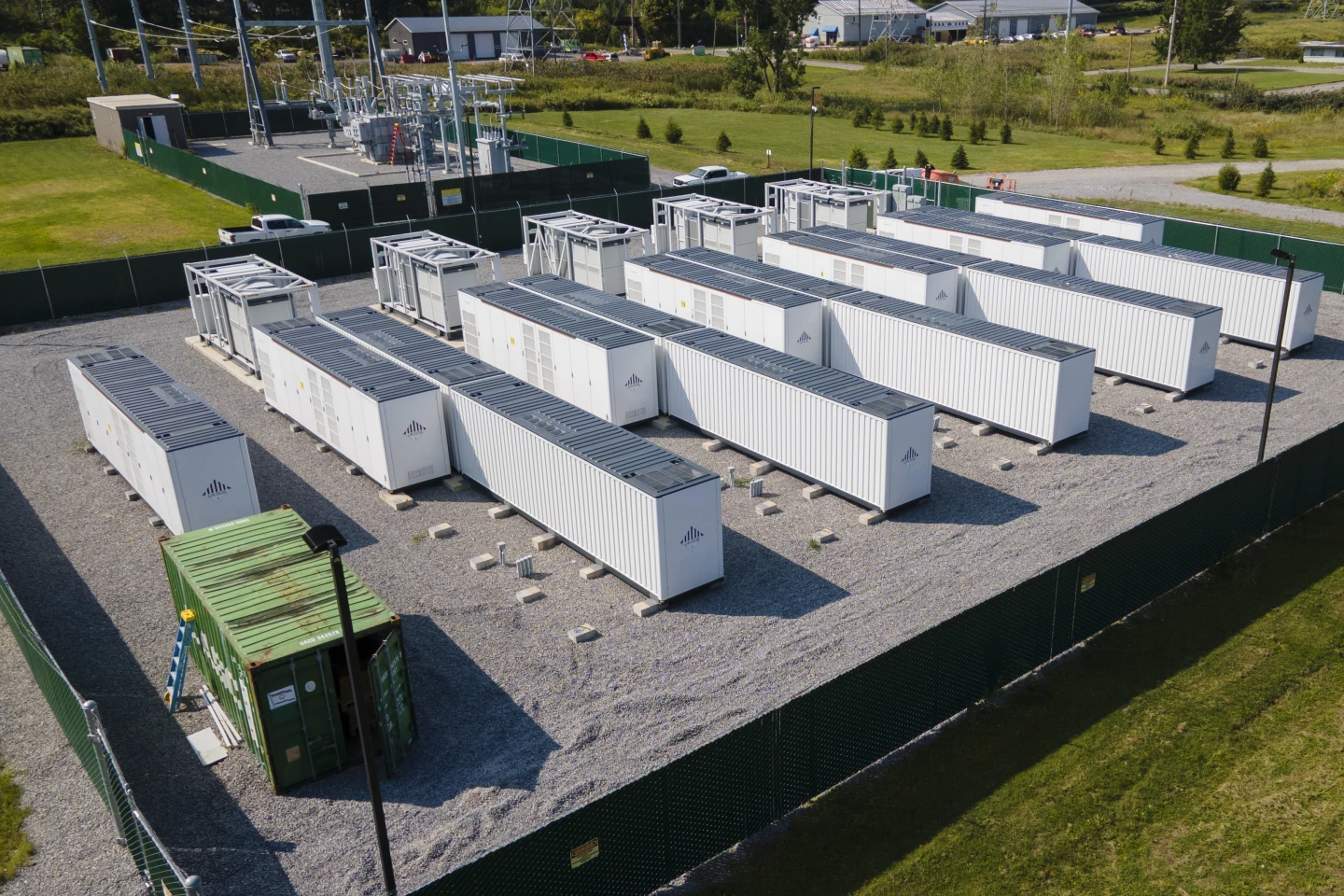
More and more, big arrays of lithium-ion batteries are being integrated into electrical grids across the U.S. for energy storage that can be released during peak demand periods.
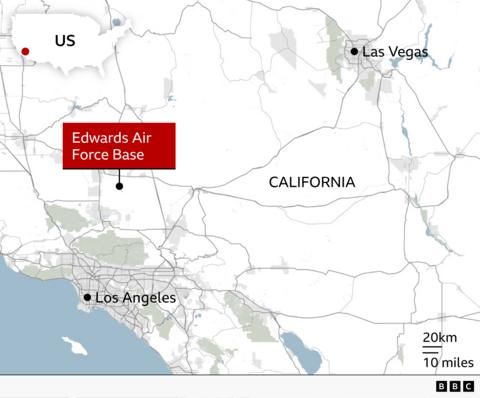
However, as energy storage solutions expand, some residents are expressing concerns about safety, particularly after a major battery facility in California caught fire earlier this year, raising alarms about potential hazards.
While proponents argue that contemporary battery energy storage systems are designed with safety in mind, numerous localities are enacting temporary bans on their development amid pushback from concerned communities.
Michael McGinty, Mayor of Island Park, New York, stated, 'We’re not guinea pigs for anybody ... we are not going to experiment, we’re not going to take risks,' following the passage of a moratorium in July on a proposed storage facility near the village.
In recent years, dozens of towns and cities in the U.S. have moved to halt the deployment of large battery systems, particularly as Long Island emerges as a hotspot for activism against such developments.
The region's project proposals have attracted increased scrutiny, including visits from figures like Environmental Protection Agency Administrator Lee Zeldin, who criticized New York's urgency in approving storage sites to achieve ambitious renewable energy targets.
Battery Growth Spurt
Battery energy storage systems, which harness low-demand energy for use during high-demand times, are seen as essential for the future of renewable energy, particularly with the rise of sources like wind and solar energy.
Known as BESS (Battery Energy Storage Systems), these installations contribute to grid reliability and have been credited with reducing the frequency of blackouts. A typical large battery installation consists of numerous shipping containers with thousands of battery cells.
China and the U.S. are at the forefront of this technology's expansion, although countries like Saudi Arabia, Australia, and Canada have also begun developing their own large-scale systems in recent years.
In the second quarter of 2025, the U.S. added 4,908 megawatts of battery storage capacity, with Arizona, California, and Texas accounting for the majority of this new capacity, enough to power nearly 1.7 million homes.
Lithium-Ion Fire Worries
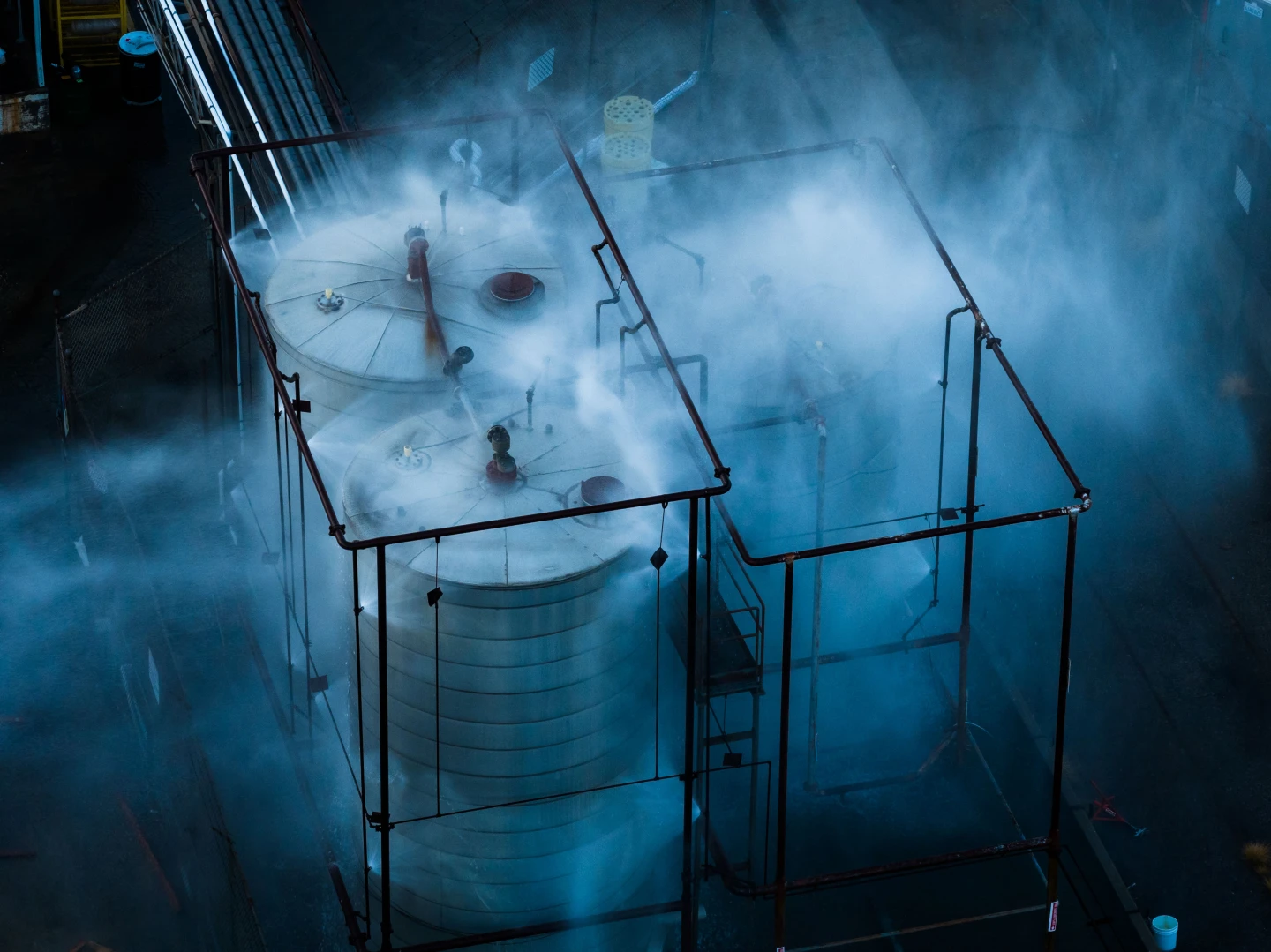
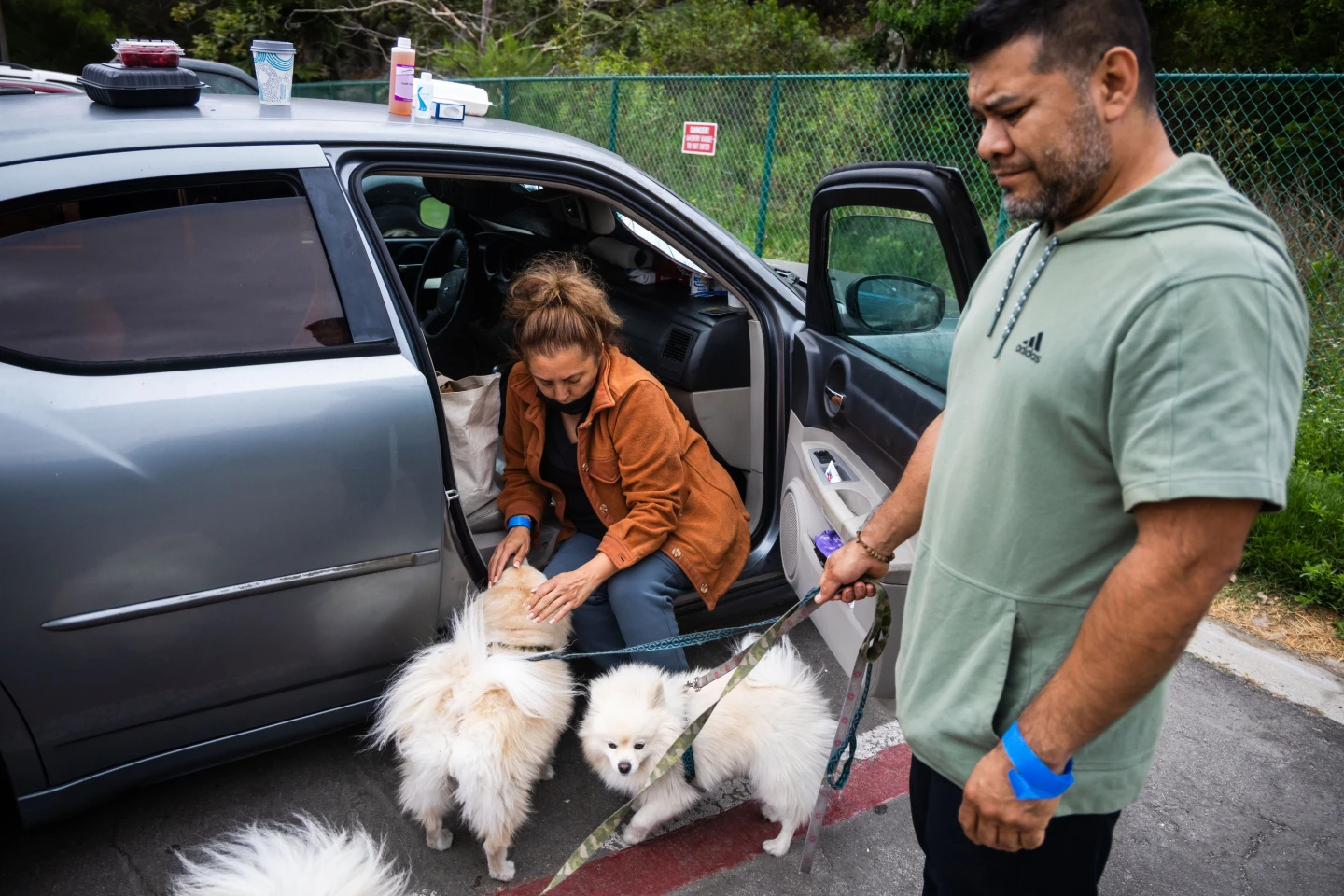
Opposition to battery storage systems often centers on concerns about thermal runaway, a dangerous chain reaction that could lead to fires or explosions. Past incidents, particularly the fire in Moss Landing, California, which resulted in the evacuation of over 1,500 residents, have intensified these fears.
Experts, however, maintain that battery systems have improved significantly in safety and reliability. Ofodike Ezekoye, a professor of mechanical engineering at The University of Texas at Austin, acknowledges that while failures are rare, no technology is completely infallible.
Battery advocates emphasize that modern regulations and safety codes in places like New York are designed to prevent incidents similar to those observed in California.
Blocking Battery Systems
Still, communities surrounding proposed battery deployment sites remain apprehensive. For instance, the city of Maple Valley in Washington instituted a six-month moratorium to gather more information on the technology and its implications.
Voters in Halstead, Kansas, will soon decide whether to ban large battery installations, reflecting a wider trend of local authorities responding cautiously to the rapid deployment of these systems.
In New York, community members like Winnie Sokolowski are voicing concerns over safety, particularly regarding proximity to schools and residential areas. Despite reassurances from developers, many residents worry about the risks associated with large-scale battery storage.
Local leaders and energy officials continue to advocate for smart growth in energy storage, highlighting that initial concerns raised during the rollout of solar farms have subsided as advantages became evident.