
In brief
The new law aims to remedy historical injustices against the Māori iwi while preserving access for all New Zealanders.
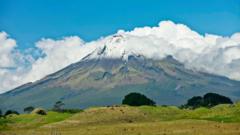
The New Zealand parliament has passed a groundbreaking bill that recognizes Mount Taranaki, also known as Taranaki Maunga, as a legal entity akin to a person, following extensive negotiations that highlight the importance of Māori ancestral ties to the mountain. This historic decision allows the mountain to own itself, with oversight shared among local Māori tribes, or iwi, and the government. The initiative serves as a form of reconciliation for the injustices suffered by Māori during colonization, particularly in relation to significant land losses."We need to recognize the pain caused by historical injustices to build a better future that supports iwi aspirations," stated Paul Goldsmith, the government minister involved in the negotiations. This legislative measure, known as the Taranaki Maunga Collective Redress Bill, not only formally renames Mount Taranaki but also aims to safeguard its environment and its surrounding area.Debbie Ngarewa-Packer, co-leader of the Māori Party and representative of the eight Taranaki iwi, expressed her gratitude upon witnessing the bill's passage: "Today, Taranaki, our maunga, our ancestral mountain, is freed from the chains of injustice." Many local Māori gathered at Parliament to witness this inspirational moment, underscoring the mountain's significance as a cultural and spiritual landmark for the community.Apart from restoring the mountain's Maori name, the ruling ensures respect for the Māori worldview, which holds that natural features, including mountains, are sacred ancestors and living entities. Aisha Campbell, another iwi member, emphasized that the mountain plays a crucial role in unifying the Māori people: "It is what connects us and binds us together."This settlement is part of a broader movement to rectify breaches of the Treaty of Waitangi, a foundational document in New Zealand's history that recognized indigenous rights to land and resources. The government has issued an apology for the historical injustices related to the loss of Mount Taranaki and over a million acres of land in the 1860s.Goldsmith acknowledged the continuous harm that previous treaty violations have inflicted on the Taranaki iwi, but reassured the public by stating that access to Mount Taranaki would remain unchanged, allowing every New Zealander to enjoy its beauty for generations to come.New Zealand's move to provide legal personhood to natural entities is not unprecedented; in 2014, the Urewera forest was the first of its kind to receive this status, which was subsequently followed by the Whanganui River in 2017. The recognition of Taranaki Maunga as a legal person integrates traditional Māori beliefs with modern legal frameworks, marking a significant step toward reconciliation and environmental stewardship.
