
In brief
"Recent findings reveal the bizarre origin of sticky blobs that prompted beach closures in Sydney, indicating a serious urban waste issue."
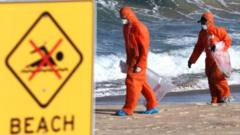
Australian beaches have made headlines recently due to the discovery of peculiar black blobs that forced the closure of multiple iconic locations. Lifeguards first noticed the sticky objects at Coogee Beach on October 16, leading to a city-wide investigation by scientists and local authorities.Initially believed to be tar-like substances, researchers have confirmed that these unsightly balls are a foul fusion of human waste, cooking oil, various chemicals, and illicit drugs. This alarming revelation has sparked controversy and concern, with eight major beaches, including the globally recognized Bondi, being shut down for several days to facilitate extensive clean-up efforts.Chemists have conducted thorough testing, and preliminary findings suggest that the blobs are likely the byproduct of a sewage spill, although the exact source remains undetermined. Initially, New South Wales authorities speculated that the peculiar objects were a blend of fatty acids, cleaning products, and fuel oil. However, it has since been established that these blobs cannot be attributed solely to oil spills or discharges from vessels, as had been previously suggested.Each blob displayed differing characteristics but shared a common structure: a hardened outer shell created through the accumulation of sand and minerals, encasing a softer, foul-smelling core. Within these grotesque formations were traces of substances ranging from cooking oil, soap residues, blood pressure medications, pesticides, hair, and even methamphetamines."The odor is absolutely revolting – it surpasses anything you can imagine," stated the lead investigator, Associate Professor Jon Beves from the University of New South Wales. Complementary to these findings, Professor William Alexander Donald noted the resemblance of these blobs to common fatbergs found in sewer systems – indicating that the presence of recreational drugs and industrial chemicals strongly suggests urban waste contamination.Notably, reports of similar but smaller blobs washing ashore have surfaced over the last two years, but the source has remained elusive. In response to the crisis, Sydney Water has assured the public that no issues have been detected in the city’s waste management systems, intensifying the mystery surrounding this bizarre event. The investigation continues as researchers push for answers to ensure the safety of Sydney's pristine beaches.