In a recent interview with Sky News, Ukrainian President Volodymyr Zelensky put forth the idea that NATO membership could serve as a crucial measure to help end the ongoing war in Ukraine. He indicated that he would accept NATO membership for the territories currently under Ukraine's control if it were offered to the entirety of Ukraine within its internationally recognized borders first. This proposition is highly theoretical, as it mainly serves to send signals rather than representing any formal diplomatic initiative.
Zelensky explained that accepting NATO membership for only parts of Ukraine would inadvertently acknowledge Russian control over other regions. "You can't give [an] invitation to just one part of a country," he asserted, stressing the imperativeness of a unified NATO offer. He also pointed out that current proposals of ceasefires lack effective mechanisms to guarantee that Russia would not resume its hostilities, thus rendering ceasefires a precarious option.
The Ukrainian leader conveyed optimism, stating that he believes the war could conclude within the next year, contingent upon the resolve shown by Ukraine's allies. Discussions about a potential divided NATO membership akin to the West German model have circulated in Western diplomatic circles, but no formal proposals have emerged.
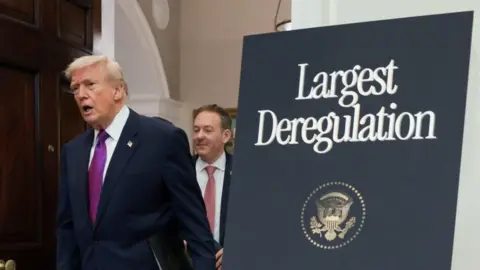
Amidst these considerations, Zelensky has expressed a willingness to engage with U.S. President-elect Donald Trump's potential plans regarding the conflict. He has plans to send a delegation to meet with Trump and his newly appointed special envoy for Ukraine, retired Brigadier General Keith Kellogg. This team will seek dialogue about strategic options to stabilize the situation while balancing future military aid with the possibility of peace talks.
Zelensky raised concerns about security guarantees from the Trump administration, emphasizing that without NATO, true independence for Ukraine would remain elusive, given the ongoing threat from Russian President Vladimir Putin. Despite encouraging dialogue, the stark differences between Zelensky's approach to peace and Trump's outlined policies highlight the complex geopolitical landscape.
As the war drags on, with Russia's annexation of Crimea in 2014 and recent invasions, Zelensky's call for NATO support comes against a backdrop of continued Russian aggression. The current lack of signals from Moscow further complicates prospects for any meaningful negotiations. In the meantime, Zelensky aims to maintain a constructive stance in hopes of prompting a robust response from the international community.
Zelensky explained that accepting NATO membership for only parts of Ukraine would inadvertently acknowledge Russian control over other regions. "You can't give [an] invitation to just one part of a country," he asserted, stressing the imperativeness of a unified NATO offer. He also pointed out that current proposals of ceasefires lack effective mechanisms to guarantee that Russia would not resume its hostilities, thus rendering ceasefires a precarious option.
The Ukrainian leader conveyed optimism, stating that he believes the war could conclude within the next year, contingent upon the resolve shown by Ukraine's allies. Discussions about a potential divided NATO membership akin to the West German model have circulated in Western diplomatic circles, but no formal proposals have emerged.
Amidst these considerations, Zelensky has expressed a willingness to engage with U.S. President-elect Donald Trump's potential plans regarding the conflict. He has plans to send a delegation to meet with Trump and his newly appointed special envoy for Ukraine, retired Brigadier General Keith Kellogg. This team will seek dialogue about strategic options to stabilize the situation while balancing future military aid with the possibility of peace talks.
Zelensky raised concerns about security guarantees from the Trump administration, emphasizing that without NATO, true independence for Ukraine would remain elusive, given the ongoing threat from Russian President Vladimir Putin. Despite encouraging dialogue, the stark differences between Zelensky's approach to peace and Trump's outlined policies highlight the complex geopolitical landscape.
As the war drags on, with Russia's annexation of Crimea in 2014 and recent invasions, Zelensky's call for NATO support comes against a backdrop of continued Russian aggression. The current lack of signals from Moscow further complicates prospects for any meaningful negotiations. In the meantime, Zelensky aims to maintain a constructive stance in hopes of prompting a robust response from the international community.