In brief
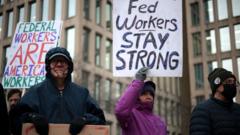
In a significant development, Federal Judge George O’Toole Jr. has temporarily suspended President Donald Trump’s plan aimed at incentivizing federal employees to resign voluntarily. This judicial pause follows a lawsuit initiated by federal employee unions, which challenged the plan's legality and funding. The offer, intended to reduce the federal workforce, had resulted in over 40,000 employee acceptances, despite numerous concerns about its terms and execution. The case will be further examined in a scheduled hearing on Monday.
In an effort to address the ongoing legal concerns raised by the American Federation of Government Employees (AFGE), which filed the lawsuit, the judge's ruling will allow additional scrutiny into the feasibility and legality of the buyout program. The unions argued that the administration lacked the legal authority and funding to support such a massive resignation scheme. As the Monday hearing approaches, the White House announced that they would resume informing employees about the extended deadline for the buyout offer.The implications of this legal decision extend beyond mere bureaucratic matters; concerns about a potential "brain drain" from the federal workforce have been touted by Democrats, who worry that a mass exit of experienced professionals could hinder government functions and national security. Substantial scrutiny has also been directed at the Central Intelligence Agency, which became the first major agency to extend the buyout offer to its employees. Former intelligence officials have cautioned that this initiative could severely impact the nation’s security and effectiveness in crisis management.The ongoing discussions surrounding the buyout plan remain contentious, with employees expressing alarm about unclear terms and unexpected communications. The AFGE highlighted issues of potential dismantling of civil service protections and fear that hiring unqualified replacements could follow. As the situation evolves, federal employees brace themselves for decisions that could profoundly affect their careers and the efficiency of government services.The Trump administration defends the initiative as a cost-saving measure and a necessary restructuring effort, emphasizing the goal to replace employees who do not wish to work with more competent personnel. According to representatives, the administration views any increase in resignations as a positive outcome, projecting substantial savings for taxpayers.The legal challenges, uncertainties, and public reactions surrounding this buyout plan have sparked intense discussions within government circles and the wider public, with potential ramifications that will likely resonate for years to come. As the deadline looms and the legal proceedings unfold, the future of federal employment under the current administration hangs in the balance.