In brief
With intense fighting near Kurakhove, Ukrainian forces are at a critical junction, battling fatigue and contemplating the potential for negotiations amid ongoing warfare, reflecting a deep sense of exhaustion and pragmatism among soldiers and civilians alike.
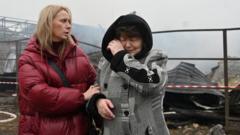
As the war in Ukraine drags on into another year, the situation on the ground appears increasingly dire. Ukrainian soldiers, weary and exhausted after three years of relentless conflict, are confronted with the pressing question: Can they sustain their fight against Russia for yet another year?In the eastern part of Ukraine, particularly near the town of Kurakhove, fierce battles are taking place. Ukrainian forces find themselves close to encirclement as Russian troops advance from multiple directions. Among those holding the line is the Black Pack, a mortar unit composed of diverse individuals brought together not just by circumstance, but by a shared conviction to defend their homeland.We met the unit at a safe location where they could take a break from the frontlines. Their ranks include a vegan chef, a mechanic, a web developer, and an artist, all volunteers who have taken up arms against the Russian invasion. Surt, their 31-year-old commander, conveys a grim optimism, initially thinking the conflict would conclude within three years, but now bracing himself for a protracted struggle lasting possibly another decade.He is acutely aware of the political discussions surrounding potential peace negotiations, particularly with figures like Donald Trump expressing interest in ending the hostilities. While Ukraine’s President Volodymyr Zelensky and Russian President Vladimir Putin have shown an openness to dialogue, Surt doubts any viable agreement could emerge from such talks. His realist perspective highlights a painful truth: Ukrainian justice may be elusive, as many will have to reconcile with the deep scars marked by war - homes destroyed, loved ones lost.The sentiment within the unit is largely against compromise. Serhiy, the vegan chef, is skeptical of negotiations, believing they would merely perpetuate the conflict under a false sense of resolution. He acknowledges the grim reality yet possesses a fierce determination to continue fighting, dismissing the fatalistic notion of death as just "occupational hazards." Meanwhile, Davyd, the artist, expresses concern about Trump's unpredictability and its potential ramifications for Ukraine's future.Their weekly routine of front-line engagement coupled with training underscores a commitment to readiness, to ensure they remain motivated despite the grueling nature of their roles. Denys, who left Germany to join the fight, shares a painful insight: to live without Ukraine’s existence is not an option, yet he concedes that the human cost might necessitate consideration of ceasefire discussions. He estimates Ukraine’s actual casualties to be far higher than reported, casting doubt over the sustainability of ongoing mobilization.In Dnipro, a city frequently targeted by Russian attacks, citizens grapple with the weight of war's toll. Residents attempt to reclaim a semblance of normalcy even as air raid sirens interrupt daily life. Theatre performances continue, providing brief escapes while still honoring the sacrifices made by those in battle. Opinions among civilians are shifting: some express a strong desire for negotiations, voicing the challenges faced by soldiers and pleading for an end to hostilities.Among those displaced by the conflict, a collective yearning for peace emerges. Groups of elderly women, having fled their homes, share the sorrow of loss while advocating for negotiations, recognizing the futility of continued violence. The war’s impact is palpable—many understand that if a solution is to be found, sacrifices may be necessary, including territorial concessions.As the conflict continues, the call for peace becomes increasingly insistent, with both soldiers and civilians weighing the psychological and physical toll of battle against the desire to preserve their lives and their country.