In brief
The ruling impacts the ongoing debate on animal rights and legal personhood, emphasizing the distinction between humans and animals in U.S. law.
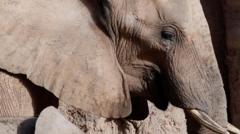
In a controversial ruling, the Colorado Supreme Court has determined that five elephants currently residing at Cheyenne Mountain Zoo do not qualify as "persons," thereby denying a petition for their relocation to a sanctuary. The animal rights organization, Nonhuman Rights Project (NRP), sought to challenge the elephants' confinement under a habeas corpus claim, arguing that they deserve freedom due to their emotional complexity and intelligence.The court ruled unanimously, concluding that the legal definition of "person" does not extend to nonhuman animals, regardless of their level of cognitive and emotional sophistication. Justice Maria Berkenkotter, delivering the opinion, acknowledged the majestic nature of the elephants—Missy, Kimba, Lucky, LouLou, and Jambo—but ultimately decided that the existing laws do not afford them liberty rights akin to those of humans.In support of their stance, the NRP asserted that the elephants exhibited signs of trauma, brain damage, and chronic stress, contending that they were effectively held captive in unsuitable conditions. However, Cheyenne Mountain Zoo defended its care of the elephants, labeling the lawsuit as "frivolous" and highlighting the extensive resources dedicated to the animals’ welfare.The ruling followed a similar decision regarding another elephant, Happy, who remains at the Bronx Zoo after a previous ruling deemed her not a legal person either. NRP criticized the judgment, claiming that it solidifies an unjust legal framework, and expressed determination to continue advocating for animal rights despite setbacks.As the discussion around animal rights evolves, this ruling underscores the significant challenges faced by organizations seeking legal recognition and personhood for nonhuman animals in the United States. The NRP plans to keep fighting for the elephants’ rights, hoping to instigate broader changes in how animals are viewed within the legal system.